
Wayne Rooney’s Iconic United Career
Wayne Rooney, the 39-year-old former Manchester United striker, recently shared a candid and revealing story about one of the most intense experiences he had with the club’s legendary manager, Sir Alex Ferguson. Rooney, who was signed by Ferguson in 2004, went on to become United’s all-time record scorer with an impressive 253 goals in 559 appearances. His journey with the Red Devils is marked by both glorious moments and challenging confrontations, with Sir Alex’s "Hairdryer Treatment" being a notorious method of motivating his players.
The Notorious Hairdryer Treatment
Sir Alex Ferguson’s "Hairdryer Treatment" is well-known in football circles for its intensity and effectiveness. Ferguson would often deliver a scathing and loud dressing room speech to his players when he was dissatisfied with their performance. The term "Hairdryer Treatment" comes from the image of Ferguson’s face so close to a player’s that it felt like a hairdryer was blasting at them. This method was both feared and respected, known for its ability to reignite a team’s focus and determination.
A Mediocre First Half at Portsmouth
During the 2009-10 season, Manchester United traveled to Fratton Park to face Portsmouth in the Premier League. The match, which took place 16 years ago, saw Rooney score the opening goal for the Red Devils. However, Kevin-Prince Boateng equalized with a penalty, leading to a rather unimpressive first half. Despite Rooney’s contribution, Ferguson was not pleased with the team’s performance, and he was particularly critical of his star striker.
The Confrontation in the Dressing Room
At half-time, Ferguson unleashed his famous Hairdryer Treatment on Rooney, berating him for his perceived lack of effort and intensity. Rooney, who had already scored a goal, felt that the dressing down was unwarranted and decided to stand up to his manager. In a moment of frustration, Rooney responded with what he now admits was a bit too much disrespect. The tension was palpable, and the confrontation between the two was intense. However, Ferguson’s immediate follow-up action was a testament to his leadership skills. He pulled Rooney aside for a one-on-one chat to clear the air and remind him of the hierarchy and expectations within the team.
A Positive Turnaround
Surprisingly, the confrontation had a positive effect on Rooney. Determined to prove his worth and show respect to his manager, Rooney returned to the pitch and scored two more goals in the second half, completing a hat-trick and securing a 4-1 victory for Manchester United. Ryan Giggs also added a goal, cementing the team’s dominant performance. Rooney’s remarkable turnaround after the heated exchange is a testament to the effectiveness of Ferguson’s motivational techniques, even when they were harsh and direct.
Reflecting on the Experience
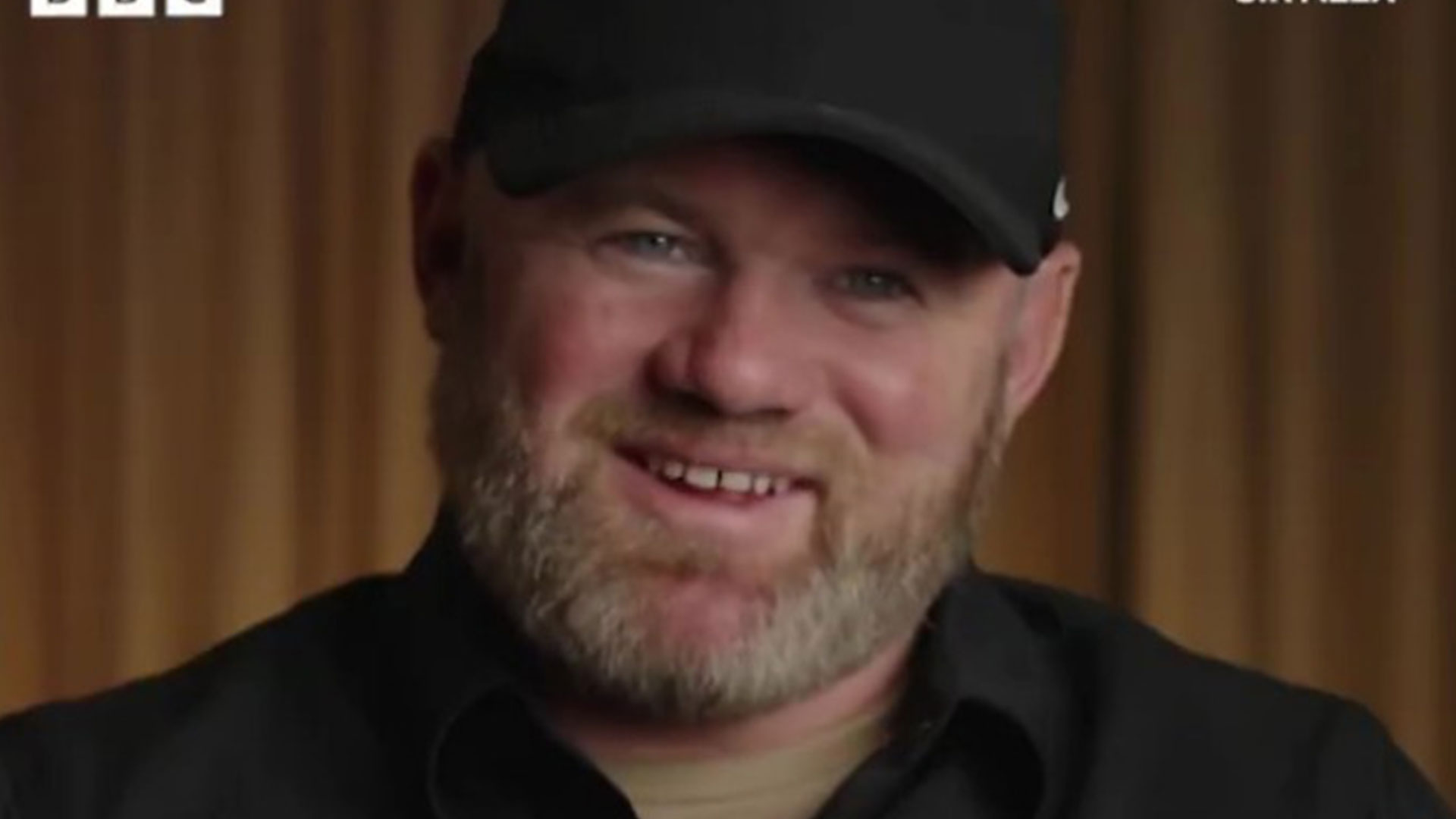
Despite the intensity of the moment, Rooney and Ferguson managed to patch things up quickly. The reconciliation often occurred on the bus ride home, a place where Ferguson would walk past his players, get a tea or coffee, and then return to give them a gentle slap on the head—a subtle yet powerful way of signaling that the past was forgotten. Rooney reflected on this to the BBC, saying, "It was always after the game, it was on the bus. This is where he was always brilliant. He’d be sat on the bus and he’d walk past you and get a tea or a coffee. And he walks back past you, he’d give you a little slap on the head and that was his way of saying it’s forgot about. So you were half waiting for it. I think you would be more worried if it didn’t come."
The Impact and Legacy of Ferguson’s Leadership
Rooney’s story highlights the complex and often challenging relationship between a player and a coach, especially one as iconic as Sir Alex Ferguson. While the Hairdryer Treatment may seem extreme to some, it was a crucial part of Ferguson’s leadership style. He knew when and how to use it to achieve the desired results. Rooney, who initially felt the treatment was unjust, later recognized the positive impact it had on his performance. This incident serves as a reminder of Ferguson’s unique ability to push his players to their limits and inspire them to perform at their best, even in the face of tough criticism. It is a part of the legacy that makes Sir Alex Ferguson one of the greatest managers in football history.