
Manchester United’s Set-Piece Renaissance
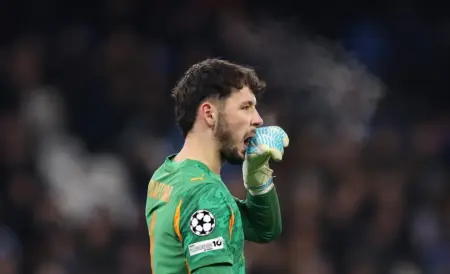
Manchester United may be languishing below Arsenal in the Premier League table, but they have found a critical area of parity: set pieces. On Sunday, they secured a crucial win against Crystal Palace with two goals from free kicks, bringing their total set-piece goals to ten—matching Arsenal’s record. This marks a significant improvement for United, who have long been criticized for their dead-ball defending and attacking. Last year, Ruben Amorim, then a new manager, suffered his first defeat at Arsenal, with both goals coming from corners. The subsequent months saw further struggles, including goalkeepers Altay Bayindir and Andre Onana conceding directly from corners in defeats to Tottenham and Wolves.
Addressing the Set-Piece Woes
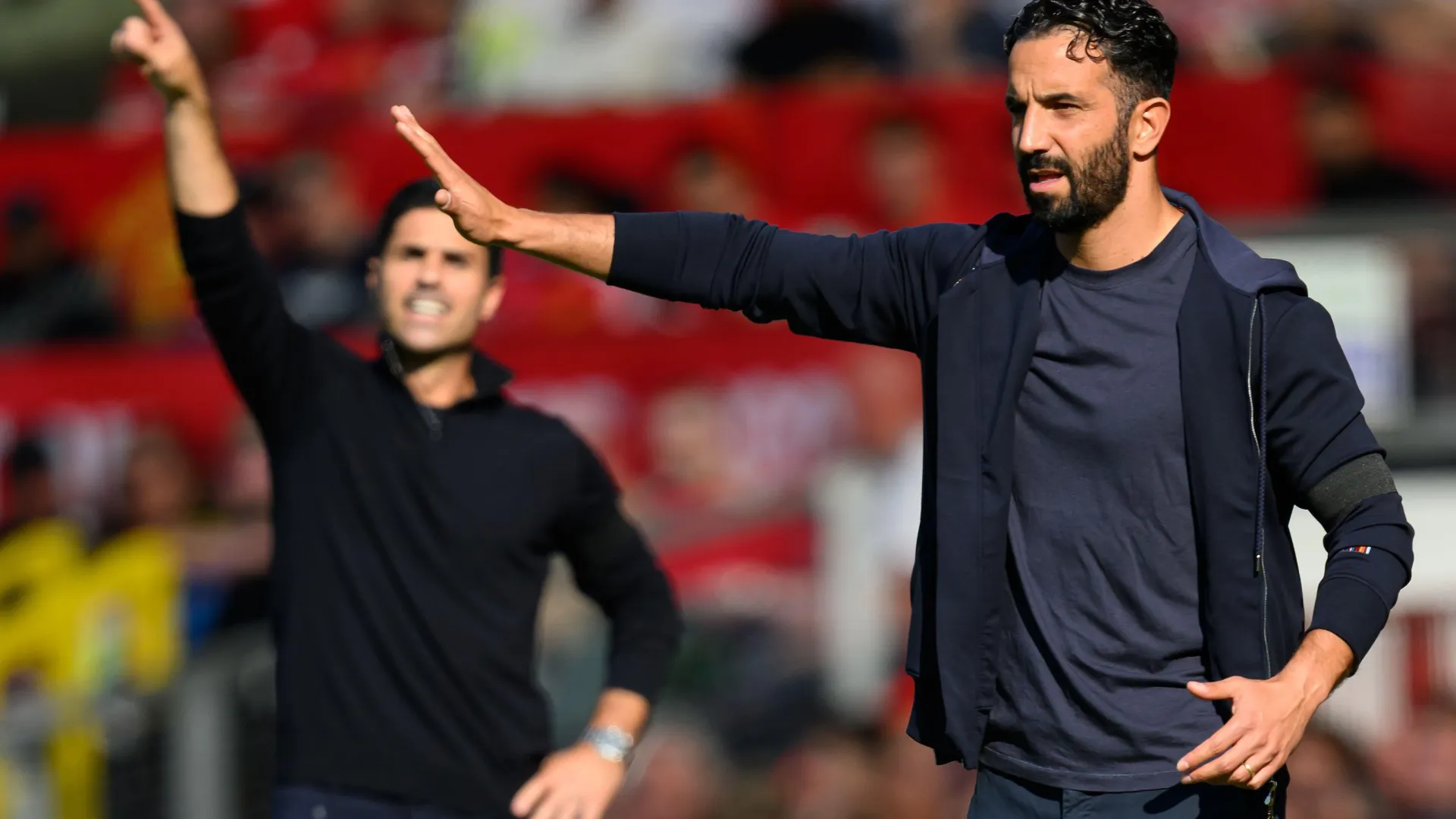
Amorim, recognizing the need to adapt quickly, assigned assistant Carlos Fernandes the task of overseeing both defensive and attacking set plays. Despite the club’s recruitment of a specialist set-piece coach, Andreas Georgson, who is now part of Thomas Frank’s staff at Tottenham, Amorim and his team have made substantial strides. Amorim acknowledged the early struggles, stating, “We suffered a lot with set pieces in our first games here. We learn with time, like any other manager.” The focus on attacking set pieces has paid off, with the team now converting nearly half of their 21 goals from these situations. Analyst Kaita Hasegawa and Fernandes have been instrumental in studying and implementing effective strategies, with Fernandes often scouting opponents’ routines as part of his pre-match preparation.
The Impact of Set-Piece Goals
The improvement in set-piece execution has been a game-changer for United. Amorim’s strategy involves not just placing the ball accurately but also creating second-ball opportunities, a tactic that has proven effective in the Premier League. “When you are attacking nowadays in the Premier League, you don’t need to touch the ball; just don’t allow the defender to take the ball because the ball is going to be there for the second ball,” he explained. The club’s recent success with set pieces is a far cry from their record four seasons ago, when Harry Maguire’s headed opener against Leeds United marked United’s first goal from a corner in 139 attempts. Amorim has even half-jokingly admitted to “stealing” set-piece strategies from other clubs, a nod to the collective intelligence and adaptability of modern football.
A Path to Champions League
While United currently sit seventh in the table, the club is privately targeting a top-six finish, with fifth place being a realistic aim to secure Champions League football next term. The team ended the weekend just four points behind their neighbors, Manchester City, who are in second place. The upcoming match against West Ham United on Thursday night is the first of four home games in their next six, presenting a crucial opportunity to climb the table. Amorim, however, remains cautious about making bold predictions. “If the table is there, if you have the opportunity, one game per week, you need to go for it,” he said. “But then you look at the table and everyone is like two points behind. Everything can change in one week.”
Realistic Ambitions and Future Outlook
Amorim’s approach is pragmatic, focusing on short-term goals and maintaining consistency. “To go in the position of Champions League for the next week, yes. It is realistic. The future I don’t know. I just want to say I want to continue near that position next week. Then the rest we will see,” he commented. This cautious optimism reflects the team’s current form and the competitive nature of the Premier League. While United’s recent improvement in set-piece goals has been a significant boost, the team must continue to build a string of consistent performances to challenge for higher positions. The upcoming fixtures, particularly the home games, offer a golden opportunity to solidify their position and make a strong case for a top-five finish.
Conclusion: A Season of Progress
Under Amorim’s leadership, Manchester United has shown significant improvement in their set-piece execution, a crucial aspect of the game that can often make or break matches. The team’s ability to convert set pieces into goals has not only bolstered their attacking capabilities but also provided a psychological boost. While the road to a top-five finish is fraught with challenges, United’s recent form and strategic adaptations suggest that they are well-positioned to make a strong push in the second half of the season. The focus will remain on maintaining consistency and capitalizing on every opportunity, with the ultimate goal of securing a Champions League spot.