
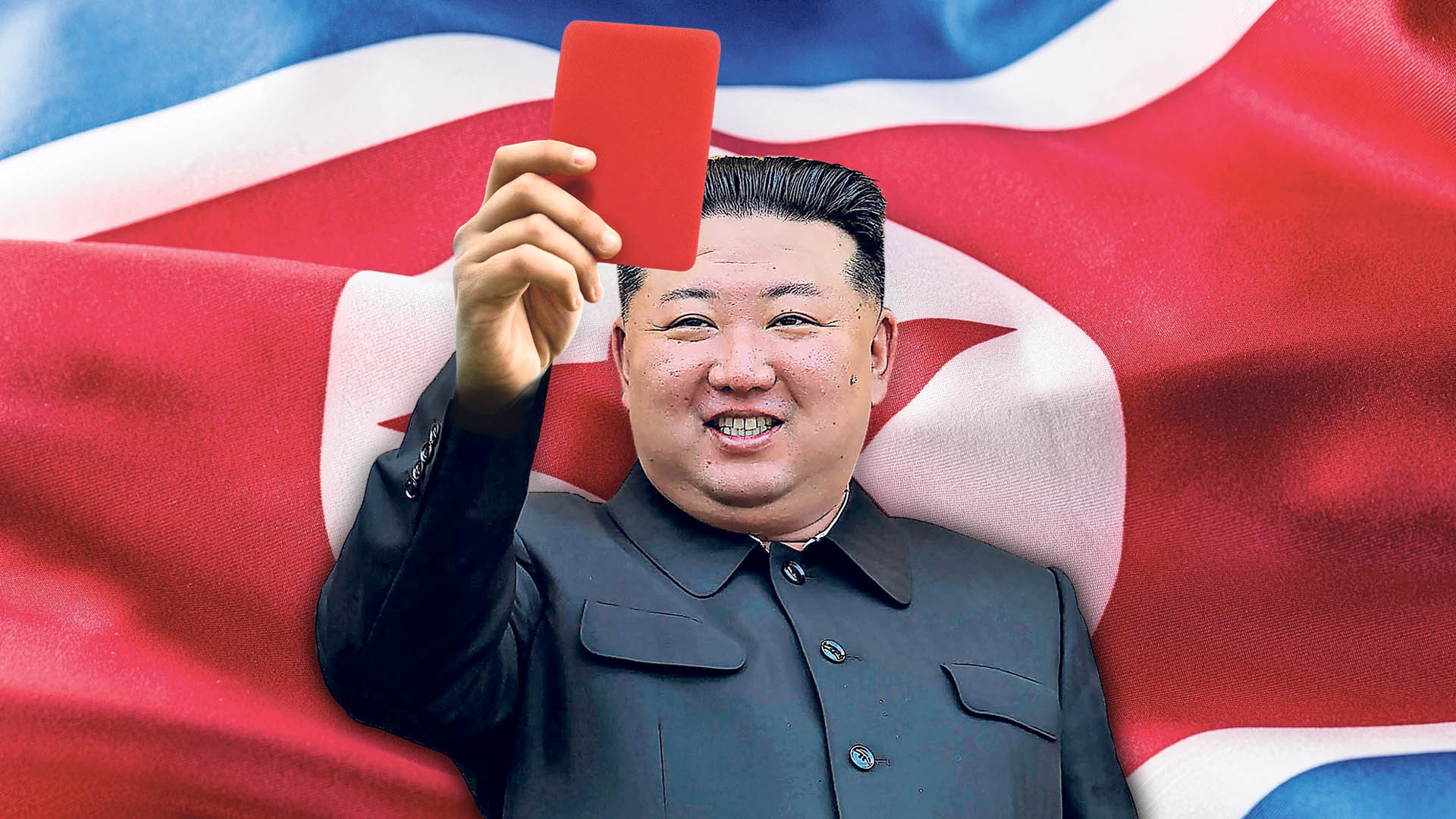
North Korea Bans Premier League Matches Involving South Korean Players
In a recent development that highlights the tense relationship between North and South Korea, dictator Kim Jong-un has imposed a ban on broadcasting Premier League matches involving Tottenham Hotspur, as well as other clubs with South Korean players. This decision underscores the regime’s intense animosity towards its southern neighbor. Tottenham Hotspur, captained by the iconic South Korean footballer Son Heung-min, has been a particular point of contention. The ban extends to other Premier League clubs like Wolverhampton Wanderers and Brentford, which field South Korean players Hwang Hee-chan and Kim Ji-soo, respectively.
The Impact on North Korean Viewers
For North Korean citizens, Premier League matches are a rare glimpse into the outside world, often airing before the 5 PM news. However, with the ban, these viewers will no longer see matches featuring Son Heung-min or other South Korean players. The matches are typically shown with a delay of about four months and are condensed from 90 minutes to 60 minutes. Despite the truncation, these broadcasts provide a break from the state’s relentless propaganda. The decision to exclude certain matches may be seen as a subtle but significant move to control what North Koreans can and cannot watch, further tightening the regime’s grip on information.
The Regime’s Propaganda and Sport
State television in North Korea is a powerful tool for propaganda, but sports provide a brief respite from the constant indoctrination. According to the Stimson Center, an independent U.S. think tank, sports, particularly football, are "one of the few moments each day when state TV is not trying to send an overt or underlying message to its viewers." The findings of the Stimson Center’s report reveal that in 2022, North Korean TV aired matches from various top European leagues, including the Premier League, Bundesliga, La Liga, Ligue 1, and Serie A. However, in 2023, the focus narrowed to the Premier League, UEFA Champions League, and the World Cup.
The Curious Case of Kim Jong-un and Manchester United
Interestingly, the ban may have an ironic twist, as Manchester United, one of Kim Jong-un’s favorite teams, is set to face Tottenham Hotspur in an upcoming match. This confrontation could be a source of discomfort for the dictator, who may now be deprived of watching his favored club in action against a team he has effectively censored. The situation highlights the complex and often contradictory nature of the North Korean regime, where personal preferences and political strictures frequently clash.
Reactions from Fans and Analysts
For Tottenham Hotspur fan Tom Bell, the ban is almost a blessing in disguise. Given the team’s current struggles, he quipped, "The way this season has gone for Spurs, North Koreans can count themselves lucky not being subjected to their games." While the comment is lighthearted, it underscores the impact of North Korea’s decision on the global football community. Analyst Martyn Williams from the Stimson Center found the ban "interesting," noting the prevalence of football broadcasts on Korean Central Television (KCTV), the state’s main international broadcaster.
The Broader Context of Sports and Dictatorships
The situation in North Korea is not unique. Other dictatorial regimes have also shown a keen interest in sports, often using them to bolster their images. For example, the late Cuban revolutionary leader Fidel Castro was an avid Arsenal fan, while Zimbabwe’s former president Robert Mugabe supported Chelsea. These personal preferences highlight the universal appeal of sports, even in the most repressive environments. However, the North Korean ban serves as a stark reminder of the lengths to which authoritarian regimes will go to control information and maintain their hold on power.