
Facing the Crisis with Resilience
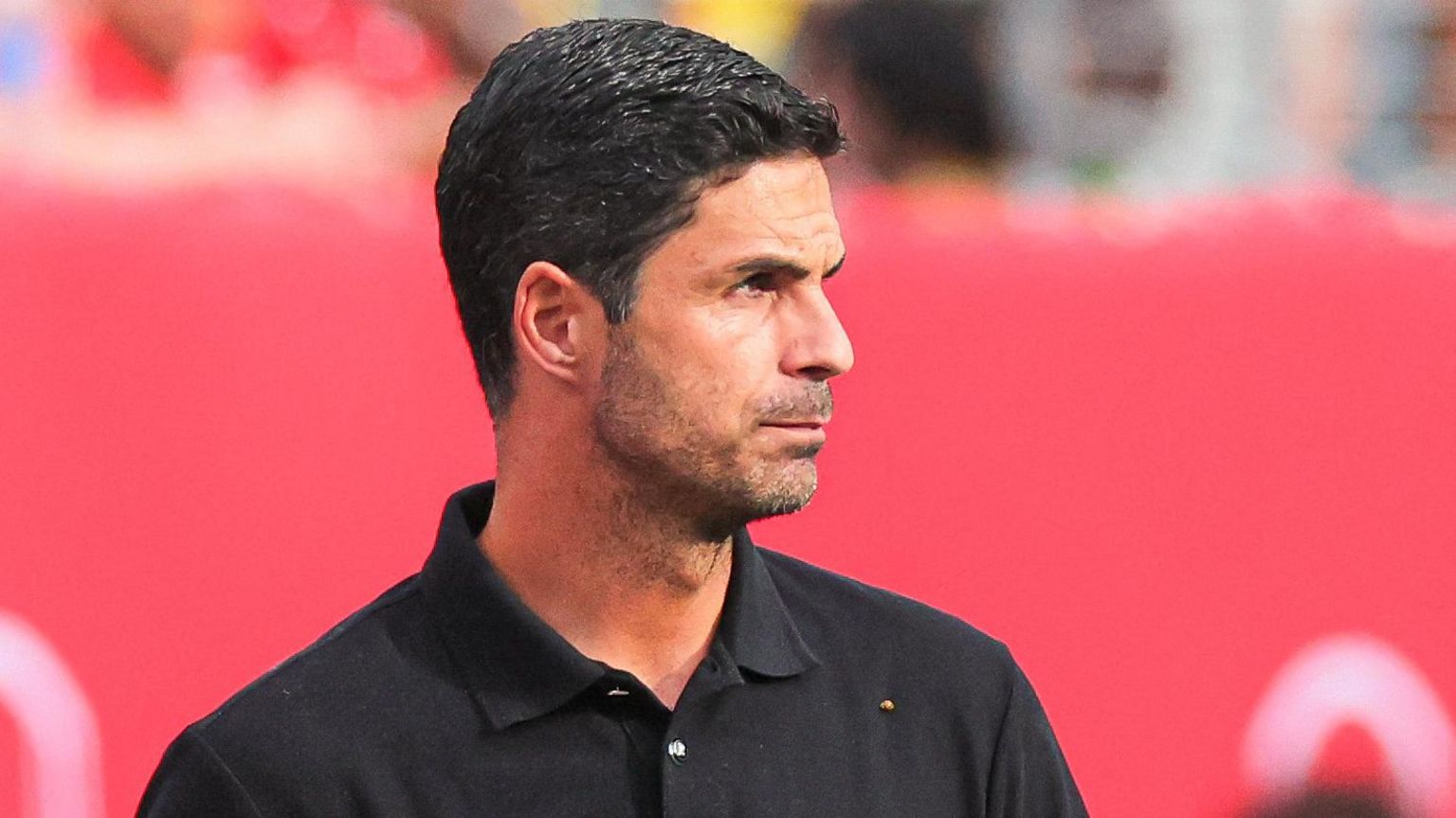
Mikel Arteta is no stranger to challenges, but the 2024/25 season has brought a particularly daunting one to his doorstep. The Arsenal manager is navigating a severe striker crisis that seems to deepen with each passing week. The season-ending injury to Gabriel Jesus was a significant blow, leaving Arteta without one of his most reliable forwards. Despite this, the club was unable to bring in a new forward during the January transfer window, a move that could have provided some much-needed relief. Just as Arteta was preparing to soldier on, Germany international Kai Havertz also joined Jesus on the sidelines, marking the end of his campaign. This double whammy has left the Gunners boss with a lineup that is thinly spread and under immense pressure.
Strained Resources and Stubborn Faith
Despite the mounting challenges, Arteta has maintained his faith in the players at his disposal. Havertz, despite his low goal-scoring record, had been a crucial attacking focal point, and Arteta’s decision to stick with him was a testament to his belief in the player’s potential. However, the injury to Havertz has compounded the problem, leaving Arteta with even fewer options. The absence of Bukayo Saka, who is out until April following surgery, and Gabriel Martinelli, who is sidelined until mid-March, has further depleted the attack. With the transfer window now closed, Arteta is left with a stark reality: he must make do with the players he has, even if it means pushing them to their limits.
The Free Transfer Dilemma
Faced with the urgent need for reinforcements, Arteta’s only viable option is to bring in a free transfer to fill the gap. The current list of available free agents includes a handful of ex-La Liga strikers who have been linked with a potential move to Arsenal. Names like former Atletico Madrid forward Diego Costa, Maxi Gomez, Wissam Ben Yedder, and Mariano Diaz are on the radar. However, the decision to sign any of these players is not straightforward. Costa, for instance, was tipped for a La Liga move and is not a serious contender due to his age and salary demands. The other options present their own set of challenges, and Arteta must weigh the pros and cons carefully.
A Focus on Long-Term Strategies
Despite the immediate crisis, Arteta’s focus remains on the long-term future of the club. Reports from the Daily Telegraph suggest that the manager is unlikely to make a surprise move in the January window, preferring instead to concentrate on the summer. One name that has been consistently linked with Arsenal is Martin Zubimendi, a player who could potentially offer a more sustainable solution to their attacking woes. By looking ahead to the summer, Arteta is showing a strategic approach that balances immediate needs with long-term goals. This approach reflects his commitment to building a squad that can compete at the highest levels, both domestically and in European competitions.
Champions League Ambitions
The challenges on the domestic front have not deterred Arsenal’s European ambitions. The Gunners have already secured their place in the UEFA Champions League last 16, with the draw set for February 21. Arsenal’s potential opponents include Juventus, Feyenoord, PSV Eindhoven, or AC Milan, each presenting a formidable challenge. Last season, Arteta led the team to the quarter-finals in his debut campaign in Europe’s top club competition, a feat that has set high expectations for the current season. The club’s performance in the Champions League will be a critical barometer of Arteta’s leadership and the team’s resilience in the face of adversity.
A Test of Character and Vision
The 2024/25 season has become a crucible for Mikel Arteta’s managerial prowess. Navigating a striker crisis while maintaining a competitive edge in the Premier League and the Champions League is no small feat. Arteta’s ability to inspire and motivate his players, as well as his strategic decisions, will be put to the test. The Gunners have shown remarkable resilience in the past, and it will be this spirit that Arteta relies on to steer the team through the remainder of the season. As the club looks to the future, the focus on long-term sustainability remains a key component of Arteta’s vision, ensuring that Arsenal not only survives the current crisis but emerges stronger on the other side.