

A Conviction with Mixed Reactions
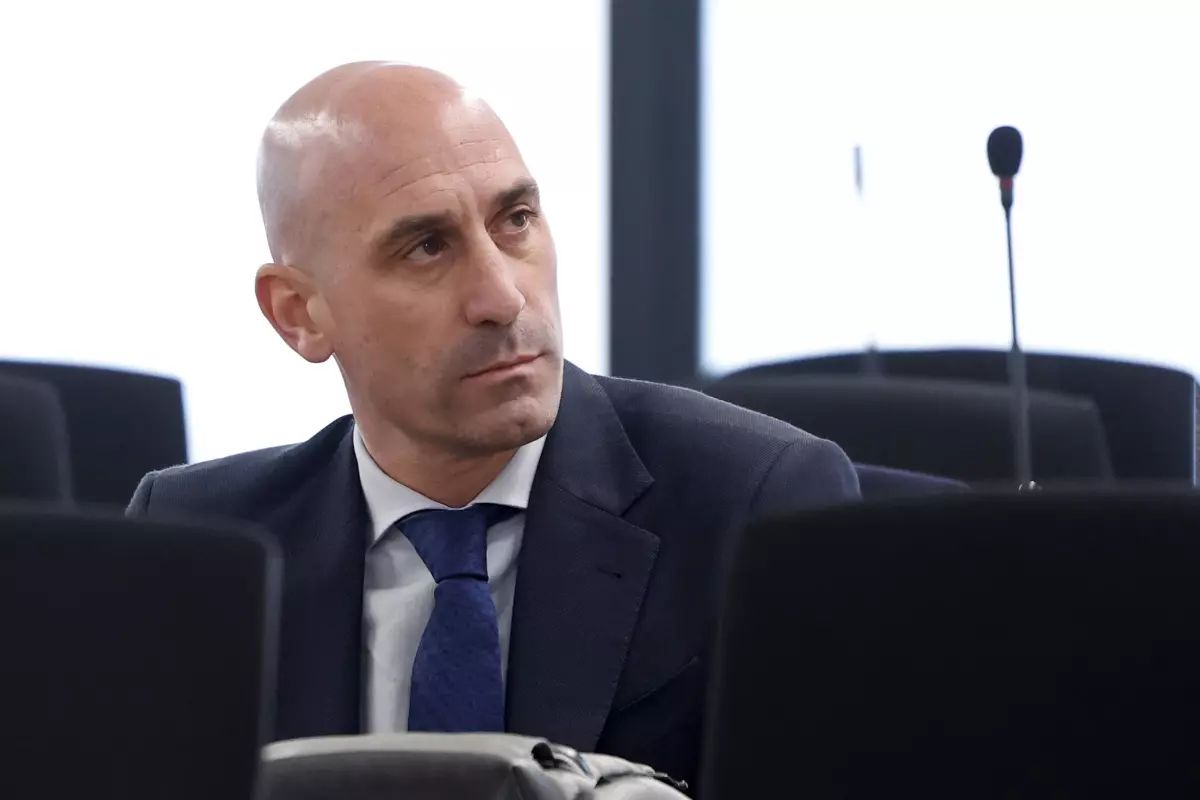
On Thursday, the conviction of former Royal Spanish Football Federation (RFEF) President Luis Rubiales for sexual assault dominated global headlines. The case hinged on an incident during the celebrations of the 2023 World Cup, where Rubiales kissed Jenni Hermoso without her consent. The verdict was a mix of vindication and disappointment for many. Rubiales was found guilty of sexual assault and fined €10,800, along with a 200-meter restraining order against Hermoso for the next year. However, he avoided the 2.5-year prison sentence that the prosecution had sought, which included 1.5 years for coercion, a charge he was cleared of. Additionally, ex-manager Jorge Vilda, ex-marketing director Ruben Rivera, and ex-sporting director Albert Luque were also cleared of coercion charges within the RFEF. Despite the conviction, the lighter sentence left many with a sense of unresolved justice and lingering questions about the message this sends to society.
Rubiales’ Response and the Appeal
Rubiales, for his part, was defiant. He stated that he would "keep fighting," strongly hinting at an appeal against the sentence. According to reports from Cadena Cope, Hermoso found out about the verdict while in Mexico. She and her legal team received the news positively, viewing it as a significant step forward for women’s rights and a validation of her experience. They were particularly gratified that her account was believed and that Rubiales was convicted. However, their satisfaction was tempered by the fact that the coercion charges, which they believed were well-documented, were not upheld. Relevo further reported that both Hermoso’s camp and the AFE (Association of Spanish Footballers) plan to appeal the verdict on the coercion charges, arguing that the evidence clearly demonstrated the coercive nature of Rubiales’ actions.
The Spain Team’s Perspective
Back at RFEF headquarters, the Spain national team, including many of Hermoso’s teammates, also learned of the verdict. Irene Paredes, one of Hermoso’s closest allies, was scheduled to address the media. In her statement to Cadena SER, Paredes reflected the mixed emotions felt by the team. "The conviction for sexual assault seems correct to me. What seems striking to me is that there is no condemnation for coercion. It’s sort of the feeling of the entire dressing room. That’s the summary of the feeling of the dressing room. What are we going to say? We trust the justice system," she remarked. Her words encapsulated the team’s confidence in the legal process while expressing frustration over the lack of conviction on the coercion charges.
The Broader Implications for Women in Football
The verdict in the Rubiales case has broader implications for the women’s football community in Spain and beyond. It highlighted the ongoing struggle for women to be taken seriously and have their experiences validated in a male-dominated sport. The fine and restraining order, while significant, did not fully address the gravity of the incident for many. The fact that the coercion charges were dismissed raised concerns about the standards used to evaluate such claims and the potential for future incidents to go unpunished. For women in football, the case serves as a reminder that while progress is being made, there is still a long way to go in ensuring that their voices are heard and their rights are protected.
The Role of the AFE and Advocacy Groups
The AFE, the Association of Spanish Footballers, played a crucial role in supporting Hermoso throughout the legal proceedings. Their decision to appeal the verdict on the coercion charges underscores the organization’s commitment to justice and the rights of female athletes. Advocacy groups and women’s rights organizations also weighed in, emphasizing the importance of believing and supporting victims of sexual assault and coercion. The case has sparked discussions about the need for better protocols and support systems within sports organizations to prevent and address such incidents effectively.
Looking Forward: A Call for Change
The conviction of Luis Rubiales, though partial, marks a significant moment in the fight against sexual misconduct in sports. Hermoso’s bravery in coming forward and pursuing legal action has set a precedent and inspired other women to speak out. However, the case also highlights the need for more robust legal and organizational frameworks to ensure that such incidents are thoroughly investigated and punished. As the appeals process continues, the football community and beyond will be watching closely, hoping that this case will lead to meaningful change and a safer environment for all athletes. The journey toward true equality and justice in sports is ongoing, but the Hermoso case is a pivotal step in the right direction.