
Real Madrid Takes the Lead in Exposing La Liga’s Refereeing Issues
Real Madrid has been at the forefront of highlighting the inconsistencies in refereeing across La Liga, a long-standing issue that has now gained broader attention. The club’s vocal stance has sparked a wider conversation, with more teams recognizing the need for greater transparency and fairness in officiating. According to MARCA (h/t Madrid Xtra), the concerns raised by Los Blancos are no longer isolated but are being echoed by other clubs, reflecting a growing dissatisfaction with the current state of refereeing in the league. Real Madrid’s persistence in bringing these issues to light has paved the way for a more comprehensive discourse on the matter.
Recent Controversies Highlight the Problem
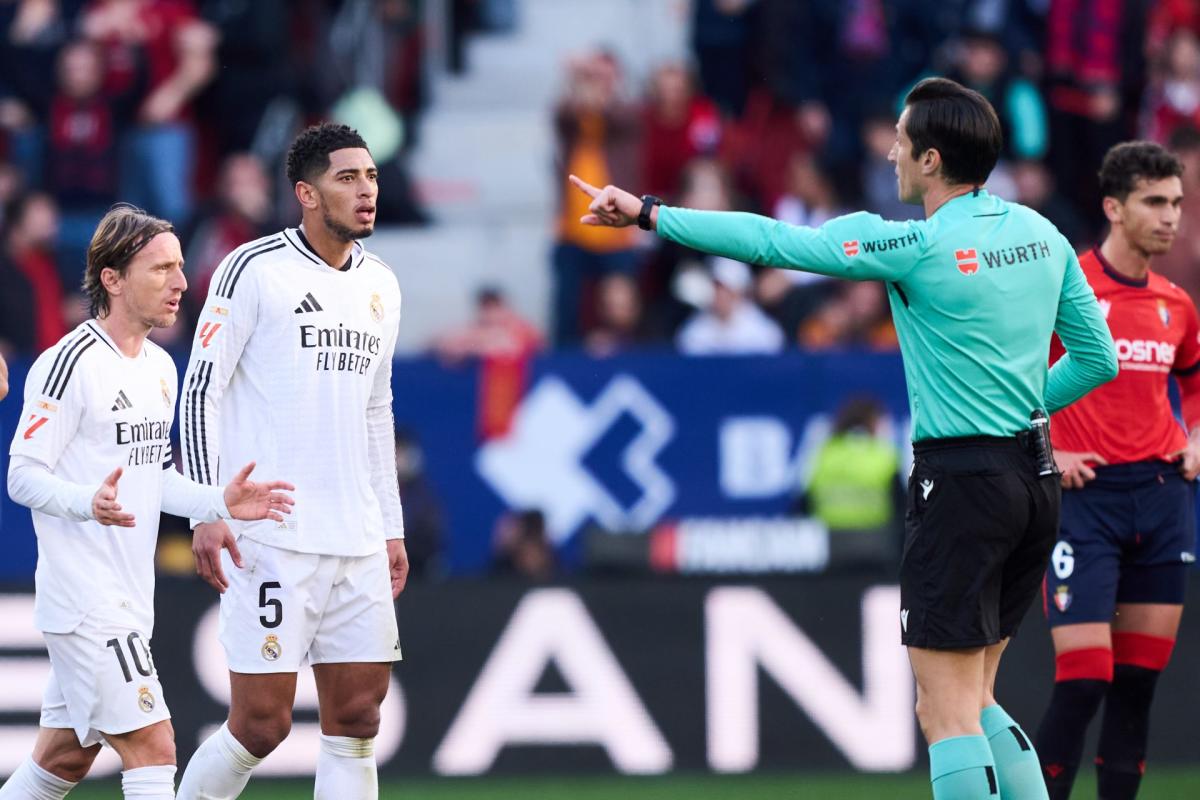
Real Madrid’s recent encounters have been marred by questionable refereeing decisions, which have significantly influenced the outcomes of their matches. The controversy began with the match against Espanyol, where several calls were highly disputed. The situation escalated further when Jude Bellingham received a contentious red card against Osasuna. These incidents have not only affected Real Madrid’s performance but have also raised serious concerns about the standard of officiating in La Liga. The club’s frustration is palpable, and their calls for action have become increasingly urgent.
Barcelona’s Narrow Victory Reignites the Debate
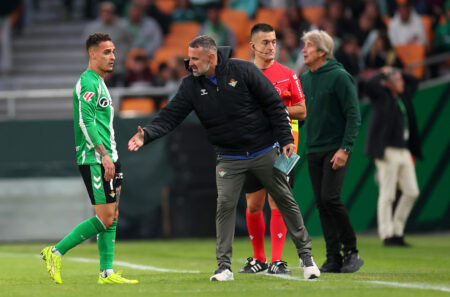
The issue of inconsistent refereeing has now extended beyond Real Madrid, as evidenced by Barcelona’s narrow 1-0 victory over Rayo Vallecano. The match was a source of controversy when Barcelona was awarded a penalty for a challenge that seemed similar to one that was denied for Rayo. Adding to the controversy, Rayo Vallecano’s equaliser was disallowed, with the referee citing obstruction despite the lack of clear evidence. Rayo Vallecano’s manager, Iñigo Pérez, was visibly frustrated with the decisions but chose to remain silent in public. His reaction, however, underscores the broader problem of inconsistent officiating affecting multiple teams in La Liga.
Clubs Unite in Demanding Action
With more clubs stepping forward, it is clear that La Liga can no longer ignore the growing concerns over refereeing. Real Madrid’s efforts to draw attention to the issue have not only highlighted the problem but have also encouraged other teams to join the conversation. The much-talked-about refereeing commission, proposed to address these concerns, must now become operational without delay. Clubs across the league are demanding a structured plan to ensure fairer officiating, marking the beginning of a long-overdue reform in Spanish football. This could be a pivotal moment for La Liga, as the league will be forced to take the necessary steps to restore credibility to its refereeing standards.
The Broader Impact and Call for Reform
The issue of inconsistent refereeing is not just a matter of individual club performance but also has broader implications for the integrity and fairness of the league. The growing discontent among clubs reflects a deep-seated issue that requires immediate attention. Real Madrid’s role in initiating this movement has been crucial, and as more teams rally behind the cause, the pressure on La Liga to act will only intensify. The league’s reputation and the overall quality of football in Spain are at stake, making it imperative for La Liga to address these concerns head-on and implement meaningful reforms.
Looking Forward: A Path to Fairer Officiating
As the conversation around refereeing continues to gain momentum, the onus is on La Liga to take decisive action. The proposed refereeing commission must be established promptly and operate transparently to rebuild trust among the clubs and fans. The implementation of advanced technology, such as video assistant referees (VAR), should be reviewed and potentially enhanced to ensure consistency and accuracy in decision-making. The clubs’ united call for fairer officiating represents a critical step towards a more equitable and credible La Liga. With the support of the broader football community, this movement has the potential to bring about significant and lasting change in Spanish football.