
The One Season in Catalonia: A Bittersweet Memory
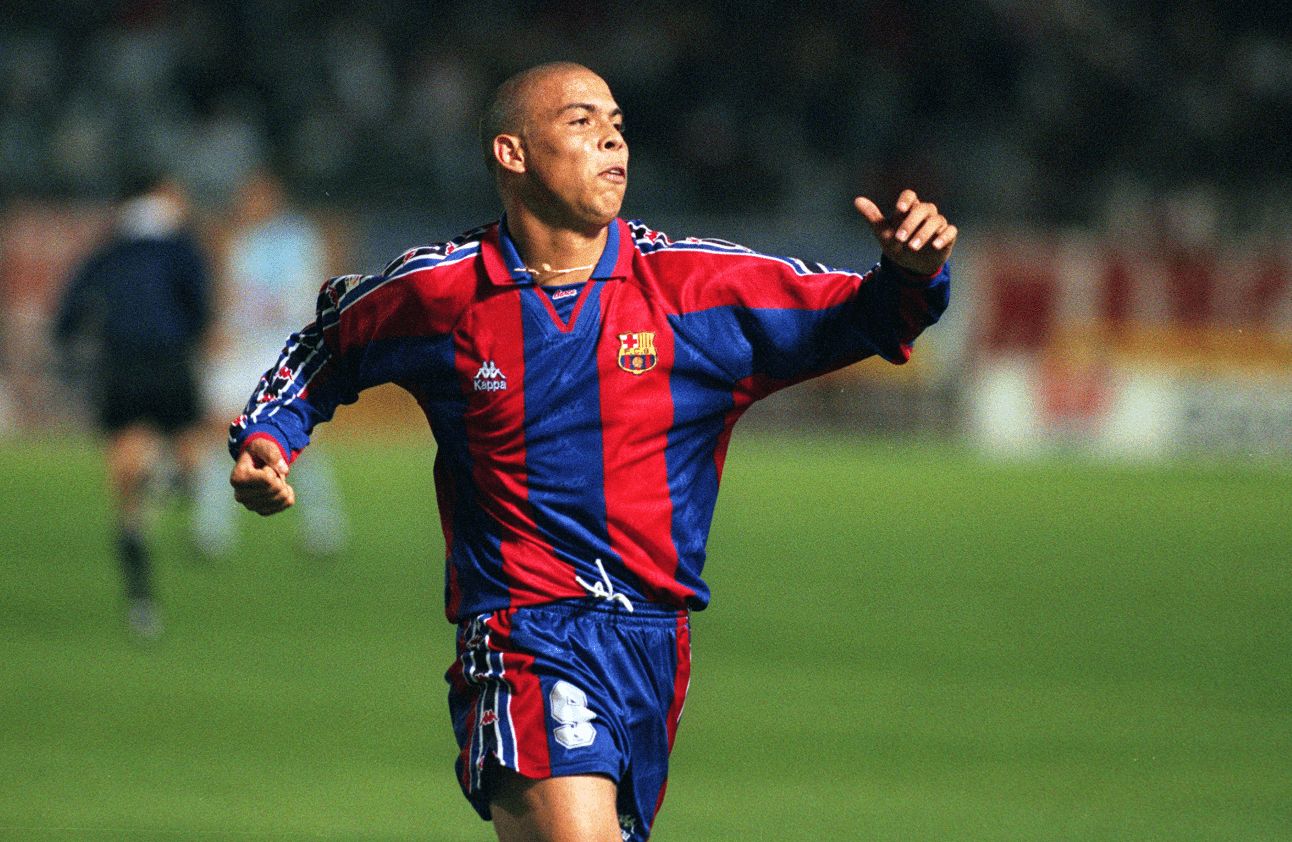
Ronaldo Nazario, the football legend, stands out for his exceptional talent and unique journey through the world of football. One of the few elite players to have represented both Barcelona and Real Madrid, Ronaldo’s tenure at Barça was a whirlwind of success and sudden departure. In a revealing interview with his compatriot Romario (via Diario AS), Ronaldo reflected on his single season at the Catalan club, which culminated in a shock transfer to Inter Milan in 1997. He shared that the club had initially promised him a new contract, only to inform him later that he was being sold. "It was a punch in the gut," Ronaldo said, emphasizing the emotional impact of the decision. "I was loving the city and everything about the club." His experience underscores a recurring theme in the relationship between Barcelona and its Brazilian stars, marked by initial success followed by acrimonious endings. Ronaldo pointed out that this pattern repeated with other notable Brazilians like Rivaldo, Ronaldinho, and Neymar, each of whom left the club on bad terms. The legacy of these players, who contributed significantly to Barcelona’s success, is marred by managerial and administrative issues that have long plagued the club.
A Managerial Fiasco in Barcelona
Ronaldo’s departure from Barcelona was not just a personal setback but also a reflection of broader management problems within the club. He candidly stated, "For me, they have had a very big management problem for a long time." This criticism is rooted in the club’s tendency to mishandle valuable players, leading to a deterioration of relationships and ultimately, their exodus. The case of Ronaldo is particularly poignant given his immense talent and the immediate impact he had on the team. Despite his success, the club’s inability to secure his future and manage his expectations led to a swift and painful departure. The frustration and disappointment Ronaldo felt are echoed in the experiences of other Brazilian stars, highlighting a systemic issue in the club’s administration. This pattern of mismanagement has been a recurring theme in the history of Barcelona, affecting not just the players but the overall reputation and stability of the club.
Transition to the Spanish Capital: A New Era
After his brief but impactful time at Barcelona, Ronaldo moved to Real Madrid, where he spent five years from 2002 to 2007. This transition marked a significant chapter in his career, as he became part of the "Galácticos" era, a period characterized by the assembly of top global talent at the Santiago Bernabeu. Ronaldo’s arrival under the presidency of Florentino Perez was seen as a coup for Real Madrid, further solidifying their status as one of the most prestigious clubs in the world. His time in Madrid was filled with both personal and collective achievements, cementing his place as one of the club’s most celebrated players. Ronaldo’s adaptation to the new environment and his continued success underscore his versatility and dedication, traits that have defined his career.
The Best and Worst of Times
Reflecting on his time at Real Madrid, Ronaldo identified Zinedine Zidane as his best teammate. "Zidane was the best player. He was very different," Ronaldo remarked. "He had a lot of class, was very technical, and simple. He played too much." Zidane’s mastery on the field and his ability to remain humble and grounded were qualities that Ronaldo deeply admired. Ronaldinho, another Brazilian star, also stood out for his exceptional play. However, not all memories are positive. When asked about his worst teammate, Ronaldo did not hesitate to mention Thomas Gravesen, a Danish midfielder. "Gravesen was a joke," he said. "He was a really cool guy, a good person. Not long ago, he won a $50 million poker tournament or something. But in football, he was very bad, he scored hard and hit hard." This candid assessment provides a glimpse into the diverse personalities and skill levels within the team, highlighting the challenges and contrasts he faced during his Real Madrid years.
Florentino Perez and the Galácticos Era
Ronaldo’s move to Real Madrid in 2002 was facilitated by Florentino Perez, who was the club’s president at the time. Perez’s vision of assembling a team of world-class players, the "Galácticos," was realized with the signing of Ronaldo. This era was marked by significant investments in player transfers and a focus on creating a squad that could dominate both domestically and internationally. Ronaldo’s integration into this high-profile group was seamless, and he quickly became a key figure in the team’s success. His relationship with Perez and the club’s management during this period was generally positive, a stark contrast to his experience at Barcelona. This highlights the importance of strong leadership and effective management in maintaining player satisfaction and team cohesion.
Legacy and Current Involvement in Spanish Football
Even after his playing days, Ronaldo remains an influential figure in Spanish football. Currently the owner of Real Valladolid, he continues to contribute to the sport in a different capacity. His experiences at both Barcelona and Real Madrid have shaped his perspective on management and player relations in football clubs. Ronaldo’s insights provide valuable lessons for current and future club administrators, emphasizing the need for transparency, respect, and long-term planning in player management. His journey from a young sensation at Barcelona to a celebrated star at Real Madrid and now a club owner illustrates the multifaceted nature of a career in football. As he navigates the complexities of club ownership, Ronaldo’s legacy as a player continues to inspire and influence the next generation of footballers and administrators alike.