
The Dispute Over Ligue 1 Broadcasting Rights
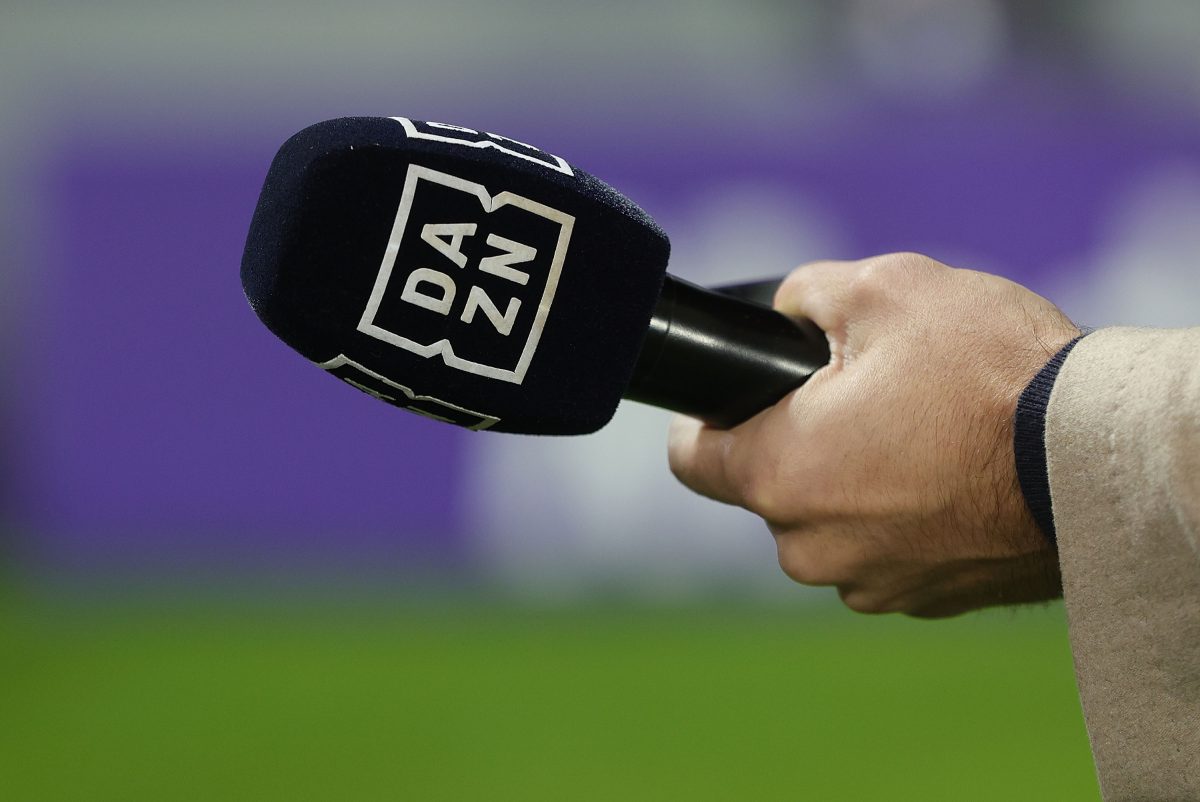
In a high-stakes standoff, DAZN, the prominent sports broadcaster, recently found itself locked in a contentious dispute with the Ligue de Football Professionnel (LFP), the governing body of professional football in France. The crux of the issue revolved around DAZN’s refusal to pay a €35 million installment for the broadcasting rights of Ligue 1, the top-tier French football league. This decision was made in the midst of significant dissatisfaction with the current state of the partnership. DAZN’s frustration stemmed from several key areas, including the LFP’s perceived lack of effort in combating piracy and the limited collaboration from certain Ligue 1 clubs in providing quality content. The broadcaster believed that these shortcomings were hampering its ability to attract and retain subscribers, with the number of users for the Ligue 1 package standing at a disappointing 500,000—far below the estimated break-even point of around 1.5 million.
The Legal Battle and Its Resolution
As tensions escalated, the LFP took DAZN to court, seeking a resolution to the financial dispute. The case was set to be decided on a Friday, with all eyes on the verdict. However, before the court could render its decision, DAZN and the LFP found a way to reach an agreement. DAZN has now settled its debt, paying the LFP the €35 million that was initially withheld. This move has temporarily eased the tensions between the two parties, marking a significant step towards restoring a more amicable relationship. The resolution of this dispute is crucial not only for DAZN but also for the Ligue 1 clubs, which rely on the revenue from broadcasting rights to support their operations.
The Issues at the Heart of the Dispute
DAZN’s decision to withhold payment was rooted in a series of grievances. One of the primary concerns was the LFP’s perceived inadequacy in the fight against piracy. DAZN argued that the lack of robust measures to combat illegal streaming was eroding their subscriber base and, by extension, their financial viability. Additionally, the broadcaster was dissatisfied with the level of content collaboration from some Ligue 1 clubs. DAZN believed that more engaging and behind-the-scenes content could significantly enhance the viewing experience, thereby attracting more subscribers. The broadcaster felt that the clubs were not doing enough to support these efforts, which was contributing to the low subscription numbers.
The Financial Impact of the Dispute
The €35 million owed by DAZN is a significant sum, and its withholding had a palpable impact on the Ligue 1 clubs. The 18 clubs in the league were set to receive a portion of this payment, and the delay in receiving it could have affected their financial planning and operations. For many clubs, the revenue from broadcasting rights is a vital source of income, enabling them to invest in player salaries, youth development, and infrastructure. The resolution of the dispute, therefore, is not just about a financial transaction but about ensuring the stability and growth of the entire league.
Moving Forward: A Common Interest in Success
Following the settlement, LFP president Vincent Labrune emphasized the importance of collaboration and a forward-looking approach. "We have to look forward because we, the clubs, fans, and more globally, lovers of French football, have a common interest in DAZN performing well and gaining more followers," Labrune stated. This sentiment underscores the need for all parties to work together towards a common goal. DAZN’s success is not just important for the broadcaster but for the entire French football ecosystem. A thriving DAZN means more revenue for the clubs, a better viewing experience for fans, and ultimately, a stronger and more competitive Ligue 1.
The Long-Term Implications and Future Collaborations
The resolution of this dispute marks a critical juncture for both DAZN and the LFP. Moving forward, it will be essential to address the underlying issues that led to the conflict. Enhanced collaboration between the broadcaster and the clubs, as well as more robust anti-piracy measures, will be crucial in ensuring the long-term success of the partnership. The LFP and DAZN must also continue to innovate and improve the content offering to attract and retain more subscribers. With a renewed focus on these areas, the future of Ligue 1 broadcasting looks promising, and the league is well-positioned to continue its growth and development.