
Unexpected Guest Causes Severe Allergic Reaction
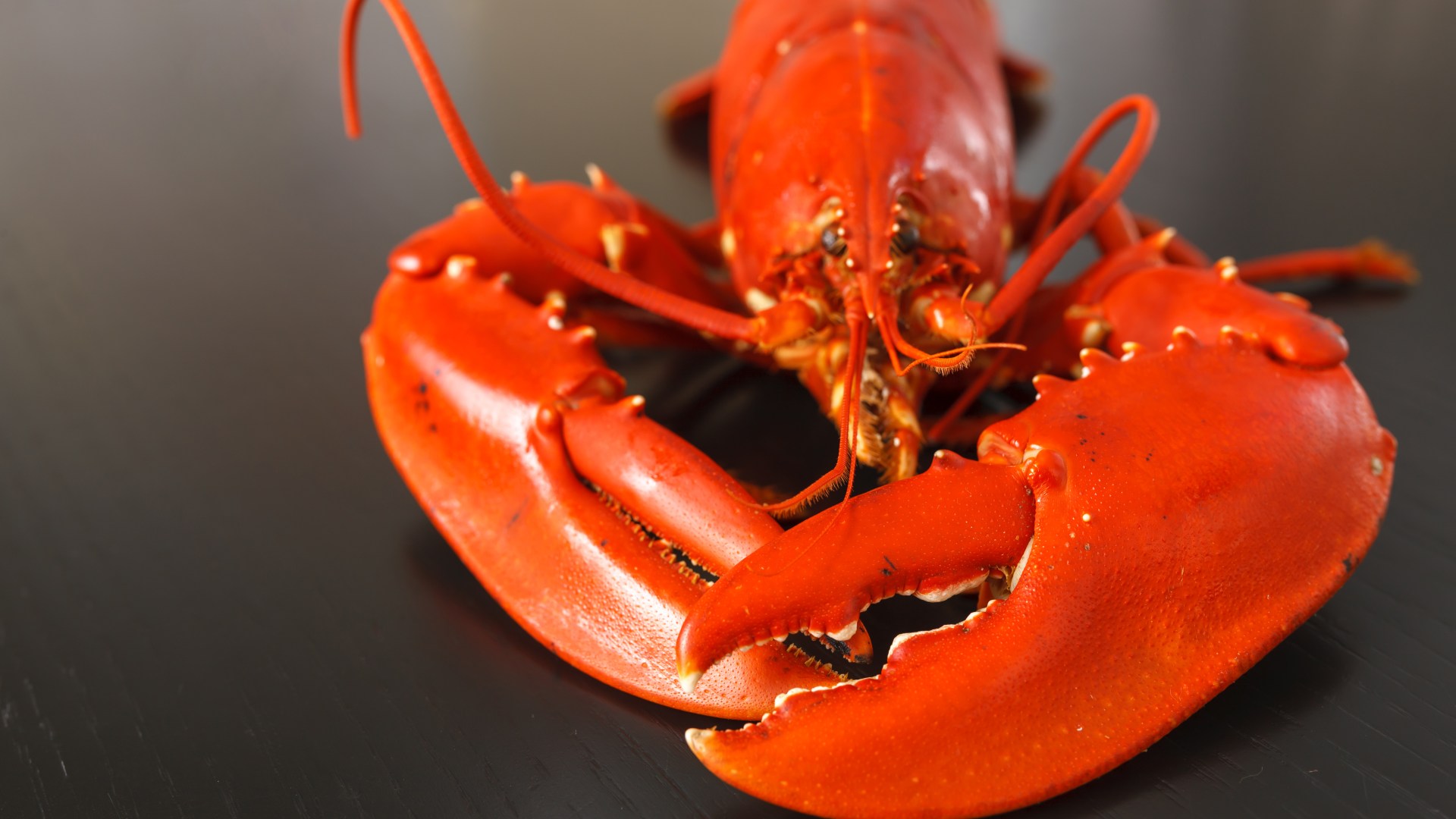
In an astounding turn of events, a lobster caused significant injury during a Premier League game at Liverpool’s stadium. The crustacean, which had been brought in for a special treat or perhaps a promotional event, ended up putting a waitress in the hospital. Despite her pre-emptive measures—she had taken medication before her shift to mitigate her known shellfish allergy, including a sensitivity to crayfish—the reaction was so severe that an ambulance had to be called to the scene. The incident, which occurred during a 1-1 draw with Wolves last March, highlights the unpredictable nature of stadium environments and the importance of thorough safety measures. The waitress was administered an Epipen injection on-site but required further treatment, including multiple shots of adrenaline, at the hospital. This incident is a stark reminder of the potential dangers that can arise even in seemingly controlled settings.
Severe Injuries Loom Over Premier League Matches
The Health and Safety Executive (HSE) logged 31 incidents at Premier League grounds last season, each with its own unique and often shocking tale. One of the most severe incidents involved a Manchester City fan who fractured his skull while celebrating a 2-0 win at Tottenham Hotspur’s stadium. In the heat of the moment, the fan leapt up to grab a flag that was hanging above him, but the flag came loose, causing him to crash down onto the hard concrete below. The injury was so significant that it required immediate medical attention and a lengthy recovery period. The incident underscores the risks fans take when they get carried away in the excitement of the game and the need for stadium safety protocols to be stringent and well-enforced.
Celebratory Mishaps: A Common Thread
Celebratory mishaps are not uncommon in the world of football, and another such incident occurred at Nottingham Forest. A fan, caught up in the joy of a victorious moment, suffered a grievous injury when he cut his calf on an upturned seat. The fan required 12 stitches to close the deep wound, a painful and lengthy process that surely dampened the spirit of the celebration. Such incidents are a reminder of the potential hazards that can arise from the passionate and often spontaneous reactions of fans. Stadiums, while designed to accommodate large crowds and intense emotions, must also prioritize the safety and well-being of their patrons.
The Drunken Dangers
The dangers of alcohol consumption in stadiums were tragically highlighted by an incident at West Ham United last March. A fan, under the influence of alcohol, lost his balance and tumbled off a handrail, resulting in a broken leg. The accident not only caused severe pain and physical harm but also required the fan to take a significant amount of time off work. The incident serves as a sobering reminder of the risks associated with excessive drinking in stadiums and the importance of responsible alcohol consumption. Stadium management must also take proactive steps to ensure that handrails and other safety features are secure and regularly inspected to prevent such accidents.
The Bigger Picture: Health and Safety in Football
The 31 incidents logged by the HSE last season at Premier League grounds provide a broader perspective on the health and safety challenges faced in football stadiums. While the incidents vary in nature, they all share a common thread: the potential for serious injury in a setting where safety is paramount. The HSE requires incidents to be logged if the injured person needs at least seven days off work, indicating the severity of the cases involved. These incidents call for a re-evaluation of safety protocols and a more comprehensive approach to risk management in stadiums. Football clubs and the Premier League itself must work together to create an environment where fans and workers can enjoy the game without fear of harm.
Moving Forward: Lessons and Solutions
In the wake of these incidents, there is a growing need for football clubs and the Premier League to implement stricter safety measures. For the waitress who suffered from the lobster-related allergy, it is essential that stadium staff have clear and detailed information about potential allergens and are prepared with appropriate emergency procedures. For fans, clearer guidelines and safer stadium designs can help prevent celebratory injuries. Additionally, responsible alcohol policies and better maintenance of safety features such as handrails can mitigate the risks associated with drunken behavior. By learning from these incidents and taking proactive steps, football can continue to be a thrilling and safe experience for everyone involved.