
A Year of Change: Sir Jim Ratcliffe’s Takeover at Manchester United
On Christmas Eve 2023, Manchester United announced a minority takeover by Sir Jim Ratcliffe, vowing to invest a substantial £245 million into Old Trafford. This marked the beginning of a tumultuous year for the club, with a series of significant changes and challenges that would reshape the landscape of one of the world’s most iconic football teams.
Initial Steps and Appointments
In the early months of 2024, Ratcliffe wasted no time in making his presence felt. January saw him and his right-hand man, Sir Dave Brailsford, photographed meeting head coach Erik ten Hag during a tour of Carrington. The club also made several key appointments, including Omar Berrada, poached from Manchester City to serve as the new CEO. February brought the official completion of Ratcliffe’s £1 billion, 27.7 per cent takeover, solidifying his control over the club. Former CEO Richard Arnold stepped down from the board, making way for Ineos executives John Rees and Rob Nevin.
Operational Overhauls and Financial Challenges
March 2024 was marked by a series of unusual and sometimes controversial decisions. Ratcliffe’s bizarre move to ban the words "awesome" and "lukewarm cappuccino" from club communications set an early tone for his unconventional management style. Matt Johnson was appointed head of women’s football, and Ratcliffe announced plans to build a new stadium, dubbed the "Wembley of the North," to replace Old Trafford. However, these ambitious plans were overshadowed by financial challenges. The club’s share price on the NYSE plummeted from $20.52 to $13.73, reflecting growing investor concerns.
Internal Tensions and Performance Slump
As the year progressed, internal tensions at Manchester United began to mount. In April, senior staff club credit cards and private cars were cancelled, and John Murtough resigned as football director. Jason Wilcox was appointed technical director after a compensation package was agreed with Southampton. May brought a particularly challenging period. Ratcliffe’s email to employees slamming the "disgraceful" lack of cleanliness at Carrington was seen as a turning point. Work finally started on the leaking Old Trafford roof, but the team’s performance on the pitch continued to slide. Manchester United finished eighth in the Premier League, their worst-ever finish. Ratcliffe’s hard-line approach saw him offer employees just one week to decide if they wanted to accept redundancy, leading to a swift and contentious downsizing process.
A Mixture of Triumph and Turmoil
Despite the club’s struggles, there were moments of triumph. In May, Manchester United shocked their rivals Manchester City to win the FA Cup, although there were suggestions that Erik ten Hag’s future was already in doubt regardless of the result. June brought significant changes, including a £50 million plan to upgrade Carrington and the introduction of a strict "back to work" policy, which forced staff to come into the office. Ratcliffe’s comments about the women’s team further strained relations with some employees and fans. The summer transfer window saw the club spend £199 million, but matchday staff lunchboxes were scrapped, and some were forced to eat beside toilets, highlighting the disconnect between the club’s high-profile spending and its treatment of its workforce.
Leadership Changes and Public Backlash
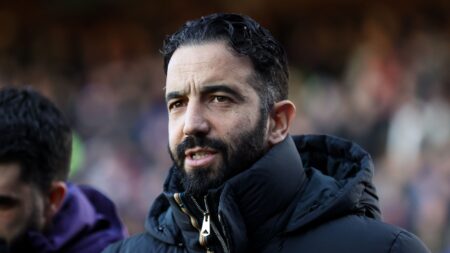
October 2024 was a particularly turbulent month. Manchester United stopped paying the £2 million-a-year ambassador salary to club legend Sir Alex Ferguson, and the staff Christmas party was cancelled. The "back to work" policy was costing the club a fortune as they converted hospitality suites into temporary offices between home matches. Erik ten Hag’s managerial struggles came to a head in October, with the club sitting 14th in the Premier League, leading to his sacking at a cost of £15 million. November saw the appointment of Ruben Amorim as the new manager on a deal until 2027, following the payment of a £10 million release clause. However, the new manager’s first move was to ax coach Ruud van Nistelrooy, and the club’s chiefs found themselves locked in a blame game over the summer transfer window and Erik ten Hag’s situation.
A Year of Reflection and Uncertainty
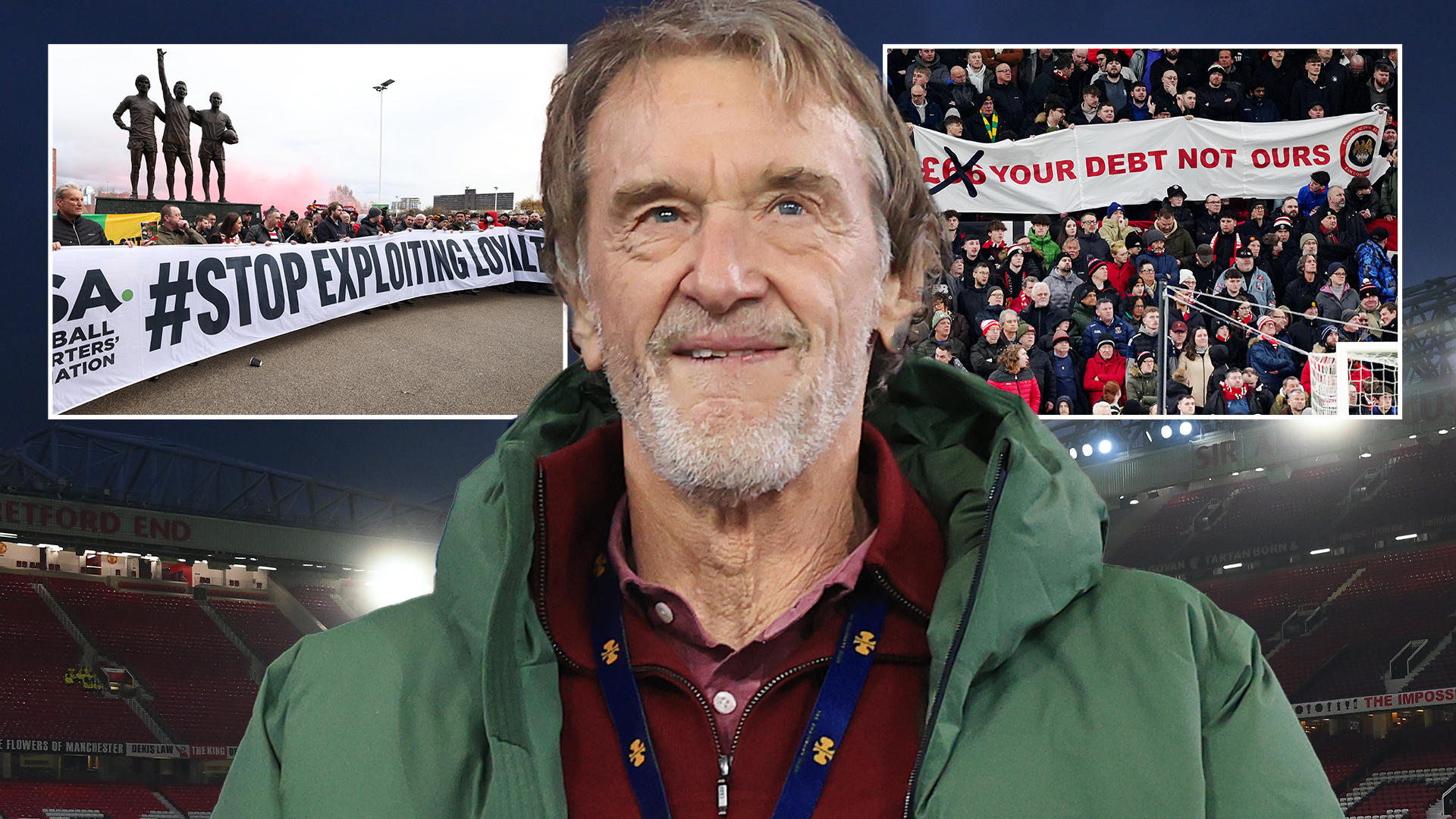
As 2024 drew to a close, Manchester United found itself in a state of reflection and uncertainty. Ratcliffe admitted that the club’s performance was "mediocre" and that it was "still in the last century." Fans staged protests after the club ditched concession tickets for OAPs and children, and the minimum home ticket cost was raised to £66. Dan Ashworth, the sporting director, was sacked after just five months, and the £100 staff Christmas bonus was reduced to a £40 M&S voucher. The year ended on a particularly low note with a mice infestation at Old Trafford and a plummeting food hygiene rating. The club faced increasing public scrutiny and criticism, with reports of a £40,000 funding cut to the Association of Former Manchester United Players charity adding to the growing list of concerns.
Looking Forward
Despite the challenges, Manchester United remains a club with a rich history and a passionate fanbase. The year 2024 will be remembered for its dramatic ups and downs, with the club facing significant hurdles both on and off the pitch. As Ratcliffe continues to shape the future of Manchester United, the coming year will be crucial in determining whether the club can regain its former glory and continue to compete at the highest levels of football.