

The Costly Quest for Glory
Manchester United, a club once renowned for its enviable success and financial prudence under Sir Alex Ferguson, has found itself in a quagmire of costly and often misguided transfers since the legendary manager’s retirement. The Red Devils have splurged a staggering £1.6 billion on player acquisitions, yet they are further from the Premier League title than ever before. Despite this enormous financial outlay, the team has consistently underperformed, raising serious questions about the efficacy of their transfer strategy and overall management.
A Stellar Lineup with Lapses
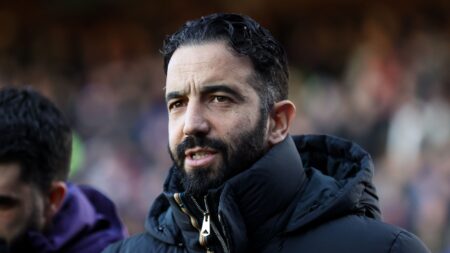
Under current manager Ruben Amorim, Manchester United have assembled a star-studded lineup that includes marquee players like Casemiro, Rasmus Hojlund, Mason Mount, and Harry Maguire. Casemiro, a £60 million acquisition, initially shone but has since seen a significant decline in form. The Brazilian’s £350,000 weekly salary, which runs until June 2026, further complicates the club’s financial situation. Hojlund, who cost £64 million, has managed only two Premier League goals this season, while Mount, a £55 million signing, has been plagued by injuries, limiting his playing time to just 237 minutes. Harry Maguire, the £85 million defender, has experienced fluctuating form, leading to the club exploring the possibility of offloading him to West Ham.
The Legacy of Missteps
The post-Ferguson era has been marked by a series of costly and often underwhelming transfers. United’s approach has been to throw money at their problems, signing high-profile players with astronomical price tags and wages. However, this scattergun strategy has yielded disastrous results. Players like Paul Pogba, who arrived for a then-world record £89 million, Donny van de Beek for £35 million, Romelu Lukaku for £75 million, and Angel Di Maria for £59.7 million have all failed to deliver the expected impact. In the first post-Ferguson season, David Moyes was handed £65 million to spend on Marouane Fellaini and Juan Mata, setting a precedent for the club’s financial excesses. Since then, United has spent an average of £140 million per year on new players, but the returns have been woefully inadequate.
Financial Burden and Structural Issues
The club’s financial burden is compounded by the astronomical wages of these high-profile signings. Tony Amorim’s cost-cutting measures, which have seen hundreds of job cuts behind the scenes, have not significantly alleviated the financial strain on the football side of the business. The team’s performance continues to suffer, making it difficult to justify the enormous sums spent on players who have not delivered on the pitch. The lack of a coherent football structure and the absence of a clear, long-term strategy have contributed to the club’s decline. Amorim’s suggestion that players are partially to blame for the job cuts highlights the deep-rooted issues within the club.
Comparisons and Contrasts
While Manchester United has been spending lavishly, their Premier League rivals have been more measured in their approach. Liverpool, who are currently at the top of the table, have spent £1.12 billion on transfers since Ferguson’s departure, while Arsenal, in second place, have spent £1.26 billion. Both clubs have achieved more with less, underlining the inefficiency of United’s recruitment strategy. Manchester City, the dominant force in the league, have spent £1.74 billion but have the silverware to show for it, winning six of the last seven Premier League titles. The city’s other side, Chelsea, has spent a staggering £2.37 billion, and while they have had their share of success, they are currently facing their own set of problems, as evidenced by recent fan protests.
The Road Ahead
Manchester United’s last Premier League title came 12 years ago, and the club is at a crossroads. The need for a more strategic and long-term approach to player recruitment and team management is evident. Simply throwing money at the problem is no longer a viable solution. The club must address its structural issues, develop a coherent philosophy, and foster a culture of sustainability and performance. Only by doing so can Manchester United hope to return to its former glory and compete for the Premier League title once again. The road ahead is long and fraught with challenges, but the Red Devils have the resources and the history to make it happen.