
The Financial Woes of Manchester United
Manchester United, one of the most iconic and wealthiest football clubs in the world, is currently grappling with significant financial challenges that have captured the attention of their rivals. The Red Devils have announced a series of cost-cutting measures, including the potential layoff of up to 200 employees, as part of Sir Jim Ratcliffe’s strategic plan to stabilize the club’s finances. Over the past five years, the club has incurred losses totaling £370 million ($468 million), a staggering figure that underscores the depth of the financial crisis. These measures, including the elimination of free staff lunches and the scaling back of operations in their London office, are a stark indication of the club’s determination to regain financial stability. The club’s financial struggles have not only affected its operational capacity but have also raised concerns about its ability to compete at the highest level of football.
Rivals Seizing the Opportunity
United’s financial troubles have not gone unnoticed by their rivals, who are now actively looking to capitalize on the situation. According to reports from The Telegraph, several clubs are preparing offers to buy out sell-on clauses in the contracts of former Manchester United players. Sell-on clauses are a common feature in transfer deals, ensuring that the original selling club receives a percentage of any future transfer fees when a player moves to another club. Mason Greenwood, currently playing for Marseille, and Hannibal Mejbri, who recently joined Burnley, both have 50% sell-on clauses in their deals. Given the club’s urgent need for financial relief, Manchester United may be more inclined to accept immediate payments in exchange for waiving these clauses. This would provide the club with a quick influx of cash, but at the cost of potential future earnings. The situation highlights the complex financial landscape of modern football, where clubs must balance immediate needs with long-term financial planning.
The Impact of Poor Performance
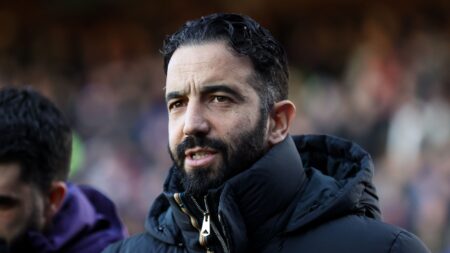
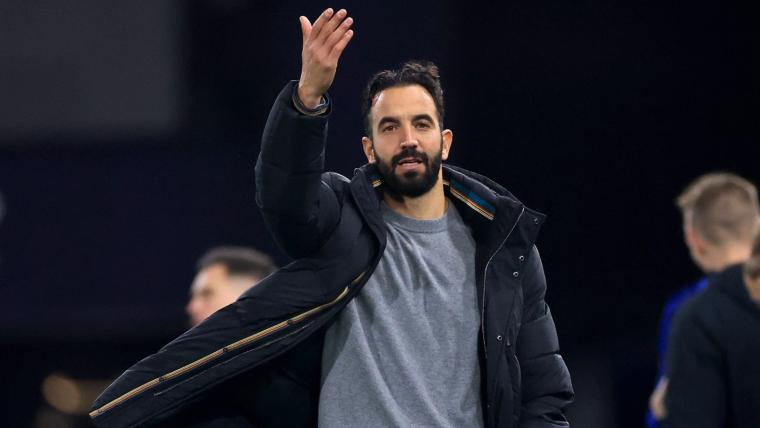
The club’s financial struggles are not solely due to external economic pressures but are also a direct result of its poor performances on the pitch. Manchester United head coach Ruben Amorim has candidly addressed the issue, acknowledging that the team’s lack of success has played a significant role in the club’s financial downturn. "We have to address all the problems in the club, but a big part of this is how we got here," Amorim said. "The lack of success on the pitch has hurt the club. We are the engine that drives everything." The team’s poor form, including their failure to win a league match since January, has not only dented their morale but has also had a detrimental impact on their financial health. With each loss, the club’s revenue from ticket sales, merchandise, and sponsorships takes a hit, further exacerbating the financial crisis. Amorim’s comments underscore the interconnectedness of on-field performance and financial stability in professional football.
The Path to Recovery
To turn the tide, Manchester United must focus on improving their performances and securing positive results. The club will have the opportunity to do just that when they face Ipswich Town in their upcoming match. For Amorim and his team, the game is more than just a contest; it is a crucial step towards rebuilding the club’s reputation and easing the financial pressure. "We have to focus on turning our season around to ease the pressure on the club," Amorim emphasized. The team’s ability to bounce back and secure a victory could be the catalyst for a much-needed revival. Winning not only boosts morale and fan support but also has a tangible financial impact, attracting sponsorships and increasing revenue from various sources. The club’s management and coaching staff are under immense pressure to deliver results, and the upcoming matches will be a critical test of their ability to do so.
The Broader Implications
The financial struggles of Manchester United have far-reaching implications beyond the club’s immediate financial health. The ripple effects are felt across the entire football ecosystem, from the players and staff to the fans and local communities. The club’s financial instability can lead to reduced investment in youth development, infrastructure, and community programs, which are vital for the long-term sustainability of the club. Moreover, the situation raises questions about the sustainability of the current business model in professional football, where clubs are increasingly dependent on financial performance to maintain their competitive edge. The club’s management must navigate these challenges with a long-term perspective, balancing the need for immediate financial relief with the goal of building a sustainable and successful future.
Looking Forward
Despite the current challenges, there is hope for Manchester United’s future. The club’s rich history, global fan base, and brand value provide a strong foundation for recovery. The implementation of cost-cutting measures, coupled with a renewed focus on performance and strategic transfers, could pave the way for a comeback. The club’s management, led by Sir Jim Ratcliffe, must continue to make tough decisions while fostering a culture of innovation and resilience. The support of the fans, who have stood by the club through thick and thin, will be crucial in the journey towards financial stability and on-field success. As Manchester United prepares to face Ipswich Town, the eyes of the football world will be on Old Trafford, looking for signs of a revival that could restore the club to its former glory.