
Celebration and Uncertainty
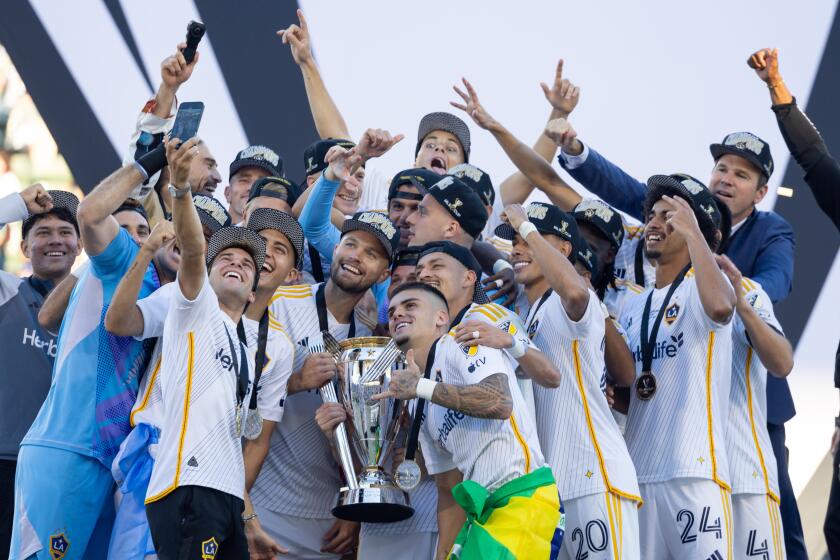
The Los Angeles Galaxy celebrated their MLS Cup victory on December 7, 2022, with the Philip F. Anschutz Trophy, capping off a season of hard work and strategy. However, the joy was tempered by a looming reality: the team’s roster would undergo significant changes in the coming months. Will Kuntz, the Galaxy’s general manager, was among the few who knew the harsh truth well before the final whistle—success comes with a hefty price tag in Major League Soccer (MLS).
The Mathematical Reality
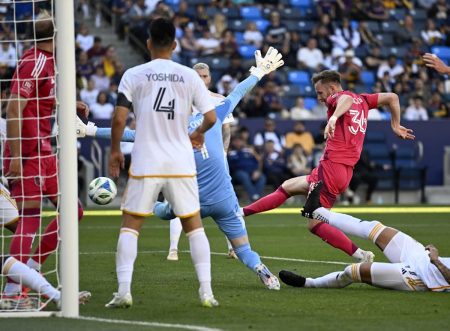
"The math was undeniable," Kuntz explained. The MLS salary cap, set at $5.95 million, combined with player bonuses and contract rules, made it impossible to keep the championship roster intact. The Galaxy faced a $1 million cap hit when Gabriel Pec and Dejan Joveljic graduated out of their age-specific contracts. As a result, the team will start their title defense missing key players like Gastón Brugman, the MLS Cup MVP, and Joveljic, their leading scorer. The Galaxy’s captain, Maya Yoshida, even had to take a pay cut to re-sign. This situation is not unique to the Galaxy; LAFC, the other dominant force in Los Angeles, has also faced significant roster turnover, retaining only three players from their 2022 championship team.
The Rules of the Game
MLS’s salary cap and roster rules are designed to promote parity, preventing wealthy owners from spending the league into bankruptcy. Each team must fit the salaries of the first 20 players under a $5.95 million cap, with designated players and U22 initiative players counting only partially against this cap. Teams also receive $2.93 million in allocation money to manage cap hits. However, these rules create a cycle where success often leads to financial strain and forced roster changes.
The Consequences of Success
John Thorrington, LAFC’s co-president and general manager, acknowledged the challenge this system presents. "There are consequences to that," he said, referring to the team’s strategy of pushing all their resources into each season. LAFC, the winningest team in MLS since 2018, has had to part with 15 players over the last three months, including franchise stalwarts like Carlos Vela and Mateusz Bogusz. This churn is a stark reminder of the balance teams must strike between ambition and financial responsibility.
A System in Flux
The salary cap and bonus structures in MLS have been a point of contention among players and league officials. Steven A. Bank, a professor of business law at UCLA, notes that the collective bargaining agreement (CBA) negotiated with players contributes to the financial pressures. Players have agreed to a pay structure with rising bonuses and team bonus pools, which can strain team budgets, especially for successful clubs. This system has led to situations where talented players like Joveljic, who thought he would stay in L.A. longer, have to move on. "You know about MLS rules—hopefully one day it’ll change and this league will grow up," Joveljic told journalist Tom Bogart.
Navigating the Future
Despite the challenges, teams like the Galaxy and LAFC continue to plan for success. Kuntz and Thorrington both emphasize the importance of strategic planning and adaptability. The Galaxy have traded for new players and made significant investments in transfer fees to stay competitive. LAFC, too, has embraced the cycle of roster changes, leveraging transfer fees and allocation money to rebuild their squad. As the 2025 season kicks off, both teams will face the same constraints, but they remain determined to compete at the highest level. "Winning is expensive," Kuntz said, "but that’s just the reality."