
A Unique Approach to MLS Ownership
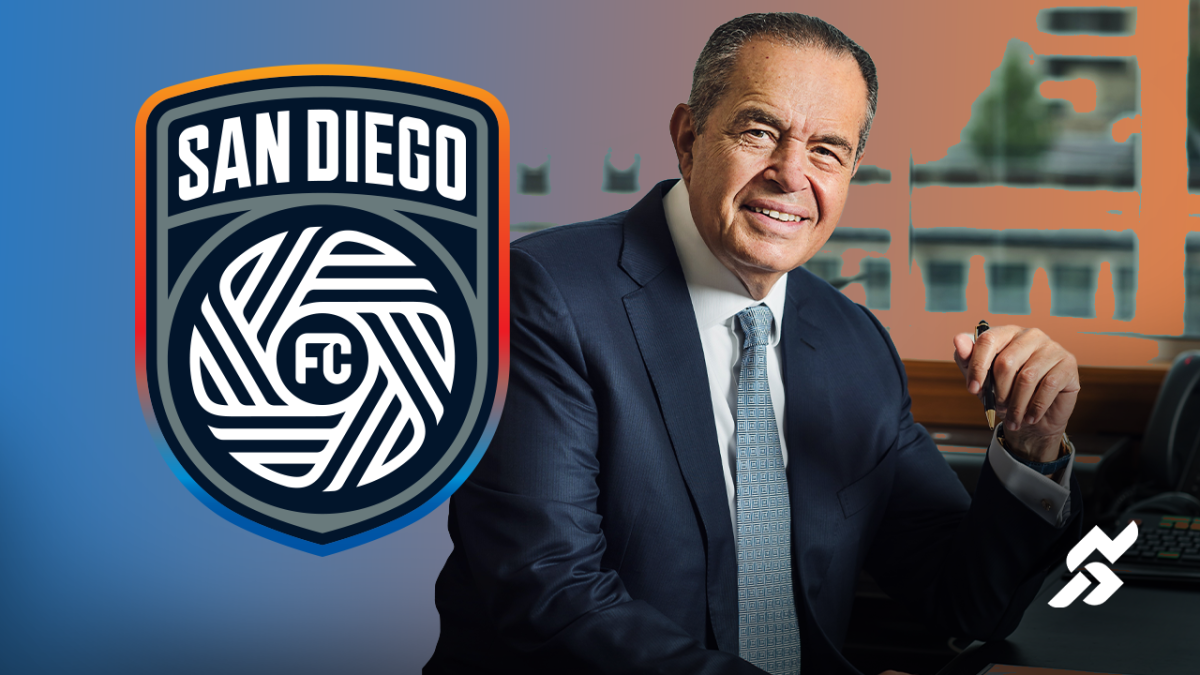
Since the founding of Major League Soccer (MLS) in 1996, over 50 individuals have taken control stakes in its teams. However, no owner has brought such a comprehensive and innovative soccer portfolio as billionaire Mohamed Mansour. Mansour, the majority owner of San Diego FC, which debuts as the league’s 30th club this Sunday, also owns Right to Dream, a network of youth academies across three continents, each with its own professional team. San Diego FC represents the pinnacle of Mansour’s academy-and-club strategy, with the group paying a record $500 million expansion fee to launch the club. The investment extends beyond the team, including the construction of a fourth academy on tribal land east of San Diego, aimed at training and educating young talents from both the U.S. and Mexico.
A Different Path to Soccer Success
Mansour’s approach is decidedly different from other MLS owners. While some clubs are part of larger soccer empires, such as City Football Group in New York and Red Bull in New Jersey, Mansour’s strategy is distinct for its academy-first structure and the centralized role of San Diego FC within the organization. "It is a different approach, what we’ve done," Mansour said in an interview. "And it came gradually. It came with Right to Dream being the sphere that got us interested from the beginning. It’s a beautiful sport, it brings people together, and we feel very fortunate to have been a part of it. We’re here for the long term." Charles Altchek, an MLS Executive Vice President and president of MLS Next Pro, praised Mansour’s approach, noting the positive impact it will have on the league. "There are players being transferred from [Right to Dream] into teams in Europe and then starring in the World Cup—it’s really impressive," Altchek said. "Bringing that experience to San Diego, bringing that experience to MLS, will be really positive for them, and bring new ideas and new innovation to what we’re doing."
The Mansour Group: A Diverse Conglomerate
Mansour, 77, is the chairman of the Mansour Group, a diverse conglomerate founded by his father in 1952. The group’s portfolio spans consumer goods, real estate, banking, automotive, machinery, and healthcare, with over 60,000 employees and annual revenue exceeding $7.5 billion. In addition to overseeing the business, Mansour is chairman of Man Capital, the family office, and is worth $3.3 billion, according to Forbes. While his ties to soccer run deep—his uncle was a goalkeeper on Egypt’s 1934 World Cup team—it is a relatively new addition to his portfolio. The Mansour Group’s involvement in soccer began in 2013 when a Caterpillar board member suggested Mansour sponsor a soccer academy in Ghana. Mansour’s son Loutfy visited the Right to Dream academy and was impressed, leading Mansour to meet the founder, Tom Vernon, and fall in love with the project. "It gave young men and women an opportunity in life, in a place where it was very difficult for them to find one," Mansour said.
The Evolution of MLS Academies
Soccer academies have been a mainstay in Europe for decades, with notable examples like Barcelona’s La Masia. In MLS, they are a relatively new development. While some U.S. clubs experimented with youth structures in the league’s early years, it wasn’t until 2007 that MLS mandated an academy for each franchise. The league’s youth efforts were further enhanced in 2020 when MLS took over the development structure administered by U.S. Soccer, creating MLS Next, which now encompasses over 150 academies, 753 teams, and more than 16,000 players across the U.S. and Canada. This season, about one-third of MLS players, nearly 300 in total, have come through the clubs’ academies. For players 21 and younger, that number rises to 75%. While all MLS academies are fully funded for their participants, clubs vary in their investment and reliance on youth development. Some teams prioritize homegrown talent, while others focus more on experienced players from overseas. Geography also plays a role, with urban clubs like the Philadelphia Union and Real Salt Lake offering full residency programs to players regardless of their origin.
The Business of Player Sales
In addition to building senior team rosters, academies serve a crucial business function by generating revenue through player sales to teams outside MLS. This can be a significant income source for clubs. For example, the Vancouver Whitecaps sold homegrown winger Alphonso Davies to Bayern Munich in 2018 for $22 million. In 2022, FC Dallas sold academy product Ricardo Pepi to FC Augsburg for $20 million, plus an additional 10% of any future transfers involving Pepi. Since 2020, six MLS academy alums have been sold overseas for fees over $10 million, and another dozen for over $5 million. This year, the league launched an internal transfer market, allowing teams to strike cash deals with MLS counterparts. The Philadelphia Union recently sold academy prospect Jack McGlynn to the Houston Dynamo for $2.1 million upfront, plus a 50% sell-on clause and performance bonuses worth up to $1.3 million.
San Diego FC: A Geographical and Strategic Advantage
San Diego FC’s structure within the Right to Dream network is unique. Both FC Nordsjælland in Denmark and FC Masar in Egypt operate as not-for-dividend entities, reinvesting profits from player sales and sponsorships back into the clubs and their academies. In San Diego, while Mansour is the controlling owner, there are minority partners, and decisions on capital allocations and dividends will be made by the board. San Diego FC will be the top of Right to Dream’s professional pyramid, though it may take time for talent to emerge from the California academy. However, talent from other Right to Dream academies and pro teams can be immediately integrated. San Diego’s proximity to Mexico also provides a geographical advantage, allowing Right to Dream to incorporate young players from south of the border. Mansour, who was Egypt’s minister of transportation from 2005 to 2009 and was knighted in the U.K. last year, aims for San Diego to feature talent from North America, Europe, and Africa. He believes Right to Dream graduates can help grow MLS’ footprint in regions like Egypt and sub-Saharan Africa, and he is confident that this network will be a competitive advantage for his club. "I am a firm believer in the United States," Mansour said. "This is the largest sports country in the world, and eventually, soccer will be a main player here. That’s why we’re thinking about it long-term. This is the tip of the iceberg."