
Sir Jim Ratcliffe’s Arrival: A New Era at Old Trafford
On Christmas Eve in 2023, Manchester United announced a significant shift in its ownership with Sir Jim Ratcliffe acquiring a minority stake. The club pledged to invest £245 million into Old Trafford, promising a period of transformation and renewed vigor. Ratcliffe, a seasoned businessman and chairman of chemical giant Ineos, brought his right-hand man, Sir Dave Brailsford, into the fold. Their first official act was a tour of Carrington, where they met with the manager, Erik ten Hag, signaling a hands-on approach to reviving the club’s fortunes. The appointment of Omar Berrada as the new CEO in January 2024 further cemented the new regime’s commitment to change. This transition was met with mixed reactions from fans and staff, but the optimism was palpable as the club looked to return to its former glory.
Initial Reforms and Challenges
Despite the initial buzz, the club faced several challenges in the early months of 2024. Ratcliffe’s £1 billion, 27.7 percent takeover was officially completed in February, and former CEO Richard Arnold left the board, replaced by Ineos executives John Rees and Rob Nevin. One of Ratcliffe’s first bizarre moves was banning the words "awesome" and "lukewarm cappuccino," a decision that left many scratching their heads. However, the club also made positive strides, with Matt Johnson being appointed head of women’s football and plans to build a new stadium, dubbed the "Wembley of the North," to replace Old Trafford. The club’s share price on the NYSE took a hit, dropping from $20.52 in December to $13.73 in March, raising concerns about the financial stability of the club. The abrupt cancellation of senior staff credit cards and private cars in April, coupled with John Murtough’s resignation as football director, added to the growing tension within the organization.
Strained Relationships and Declining Performance
By May, the atmosphere at Carrington had become toxic. Ratcliffe’s caustic email to employees criticizing the "disgraceful" lack of cleanliness at the training ground did little to boost morale. Work finally began on repairing the leaking roof at Old Trafford, but it was too little, too late as Manchester United finished eighth in the Premier League, their worst-ever finish. The club’s FA Cup final victory over bitter rivals Manchester City was a bright spot, but the celebrations were dampened by Ratcliffe’s stringent cost-cutting measures, including the forced payment for transport and a single ticket allocation for staff. Pre-match parties and hotel stays for senior staff were also axed, further eroding the sense of unity and celebration.
Financial Troubles and Redundancies
The summer of 2024 brought a mix of significant investments and harsh cuts. Manchester United spent £199 million in the transfer window, a hefty sum aimed at revitalizing the team. However, the club’s matchday staff found their lunchboxes scrapped, and some were forced to eat beside toilets, highlighting the stark contrast in priorities. Ratcliffe’s "back to work" policy, which required staff to return to the office, was costly, as the club had to convert hospitality suites into temporary offices between home matches. Sir Alex Ferguson’s £2 million-a-year ambassador salary was cut, and the staff Christmas party was cancelled, further deepening the rift between the new leadership and the club’s traditions. In November, Ratcliffe made 250 redundancies, including popular figures like John Allen, Cliff Butler, and Alex Wylie, leaving many former loyalists feeling betrayed.
Leadership Changes and a New Manager
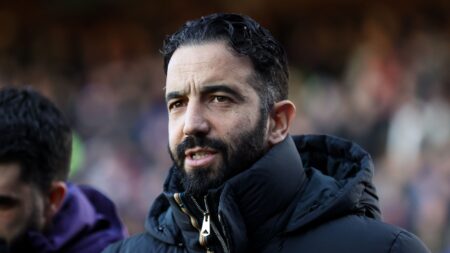
The managerial situation at Manchester United was tumultuous. Erik ten Hag, despite his efforts and the FA Cup victory, was sacked in October with the club languishing 14th in the Premier League, costing the club £15 million. Ruben Amorim was appointed as the new manager in November on a lucrative deal until 2027, which included a £10 million release clause. This move was seen as a bold attempt to turn around the club’s fortunes. However, Amorim’s first act was to ax Ruud van Nistelrooy, who had recently been brought in as an assistant manager, adding to the already high turnover in key positions. The new regime was locked in a blame game over the summer transfer shambles, with Ratcliffe’s decisions under intense scrutiny.
Declining Morale and Criticism
As 2024 drew to a close, the club’s morale was at an all-time low. Ratcliffe admitted that Manchester United was still "in the last century" and described their performance as "mediocre," a harsh assessment that resonated with fans and staff alike. The removal of OAP and children concessions, along with the increase in minimum home ticket costs to £66, sparked protests from supporters. Dan Ashworth, the sporting director, was sacked after just five months, and the club’s staff received a £40 M&S voucher instead of the usual £100 Christmas bonus, further eroding trust. Reports of a mice infestation and a drop in food hygiene ratings at Old Trafford added to the litany of issues. Despite the financial outlay, the club’s performance and internal environment were far from the promised renaissance, leaving many to question the direction and competence of the new leadership.