
The Universal Sport of Referee Criticism
Fierce criticism of referees is practically a national pastime, whether it’s shouted from the stands or murmured in living rooms across the country. Who can blame fans for venting their frustrations? It’s a relatively safe outlet for our hot air, with little to no risk of reprisal. From weekend warriors to seasoned spectators, everyone has an opinion on the refs, and some are not shy about sharing it. However, this collective habit often comes at a cost. Pity the poor ref, for it is as certain as thunder following lightning that some people will inevitably go too far. We’ve seen it all—death threats, racial slurs, and other forms of abusive behavior. The line between fair criticism and outright insults is often blurred, and incidents like these remind us of the need for balance and respect in our reactions.
Jude Bellingham’s Controversy
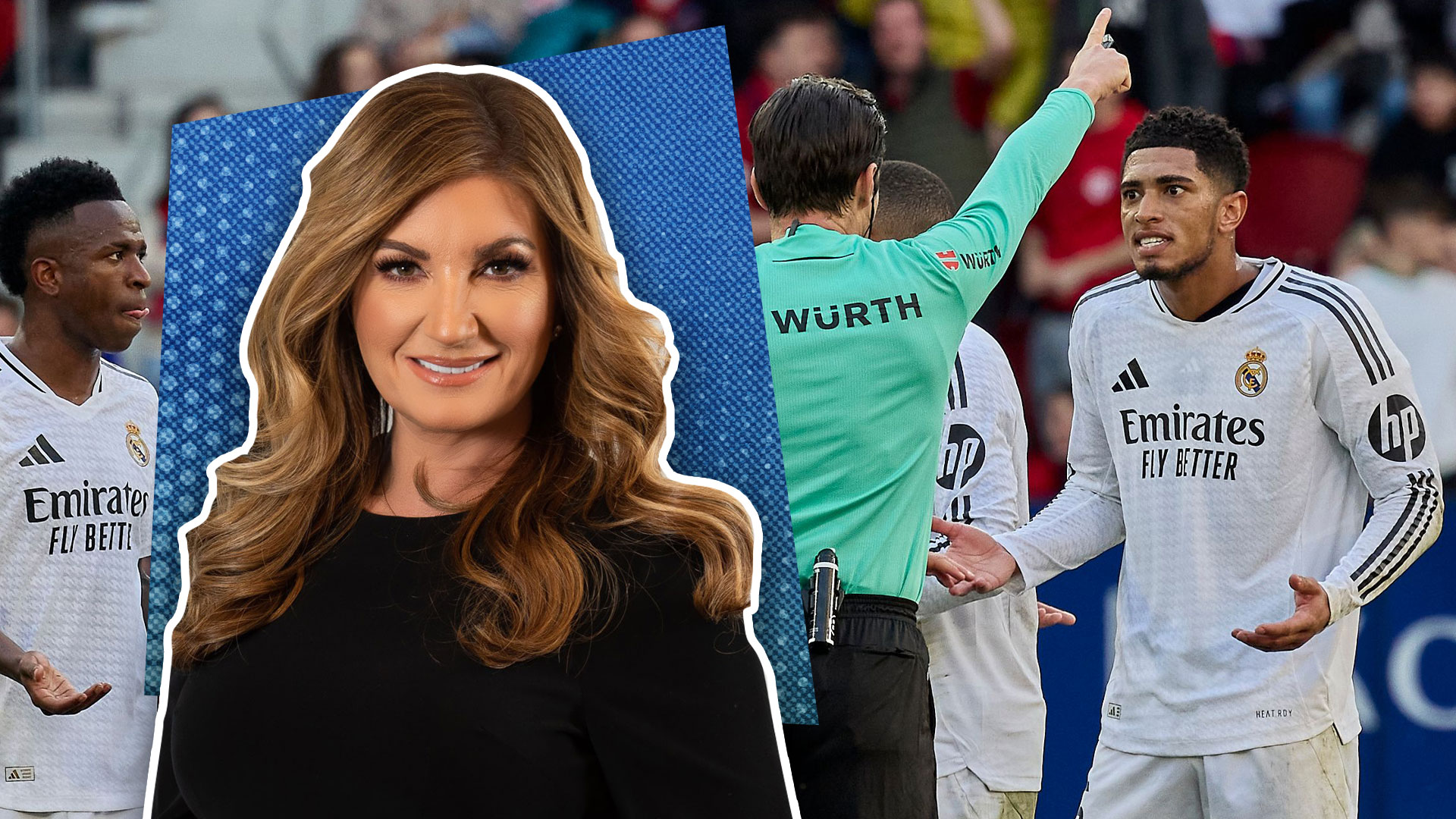
Last weekend, Jude Bellingham, the immensely talented 21-year-old midfielder for Real Madrid, found himself at the center of a heated debate. Bellingham was sent off and handed a two-match suspension for his outburst towards referee Jose Luis Munuera Montero, which the ref interpreted as either a "f off" or "f you." Bellingham, however, maintains that the expletive was directed at himself in a moment of self-criticism. A Spanish Football Federation panel could have banned him for up to 12 weeks, but they ultimately settled on a two-match suspension. Bellingham is no innocent newcomer to such incidents; he has been sent off before as a Real player. This experience should have taught him that while "f*** off" might often be a self-directed expression of frustration, it can easily be misconstrued and taken as an insult, especially in the high-stakes environment of professional football.
The Emotional Nature of Football
Football is a sport defined by its physicality, competitiveness, and emotional intensity. These attributes are what draw many supporters to the game, alongside its immense skill, character, and mental toughness. The emotional heat of the matches often spills over into how fans and players react to refereeing decisions. While some degree of frustration is understandable, the level of abuse directed at refs can be truly distressing. It’s one thing to grumble about a missed offside or a controversial penalty, but racial abuse and threats of physical harm are entirely unacceptable. Such behavior not only fosters hatred and animosity but can also lead to violence, mass murder, and even war. The world has seen the devastating consequences of unchecked hatred, and it’s crucial that we maintain a civil and respectful environment in sports.
The Role of Referees in Maintaining Order
Referees play a crucial role in maintaining order and fairness on the pitch. Their job is no 90-minute picnic; it’s a complex and often thankless task. Despite their best efforts, no referee, police officer, or judge is perfect. Mistakes happen, and most of them understand this. Over time, they develop a thick skin to handle the constant scrutiny and criticism. However, no level of mental fortitude can protect them from threats of physical harm to themselves or their loved ones. We all need protection, and this is especially true for the person who is "in the middle." The responsibility of ensuring a fair and safe game falls heavily on their shoulders, and they deserve our respect and support.
The Importance of Appeals and Fair Procedures
Key to maintaining good order in any competition is the presence of an appeal mechanism. High-level football generally does a commendable job in this regard, providing a structured and efficient process for reviewing and contesting decisions. However, the criteria and interpretation of what constitutes an infraction remain a contentious area. Self-blaming language is common in every sport. In rugby, you might hear players muttering to themselves in the scrum, and in cricket, dropped catches often elicit a torrent of self-directed expletives. Modern technology, like VAR, has helped reduce errors in big matches, but it has also introduced new controversies. The emotional and continuous nature of football makes it particularly challenging to implement these systems without stirring up a hornet’s nest.
Learning from the Past: John McEnroe’s Approach
One sport that has long grappled with the issue of player behavior and referee interaction is tennis. John McEnroe, a legend of the game, was renowned for his passionate and often confrontational on-court demeanor. When he disagreed with a call, his classic plea was, "You cannot be serious." This phrase encapsulates a respectful yet firm challenge to the umpire’s decision, allowing the player to express their frustration without crossing the line into abusive territory. It’s a model that Jude Bellingham and other young players could learn from. Instead of blurting out expletives, a more measured and respectful approach can help defuse tension and keep the game moving forward. After all, the ultimate goal is to enjoy the sport and ensure that everyone, including the refs, can do so in a safe and positive environment.
In summary, while the criticism of referees is a common and often mildly tolerable part of sports fandom, it’s important to draw the line at abusive and threatening behavior. Jude Bellingham’s outburst serves as a stark reminder that even in the heat of the moment, players must find ways to express their frustration responsibly. The role of referees is vital, and they deserve our respect and protection. By fostering a culture of fair play and implementing robust appeal mechanisms, we can ensure that the emotional intensity of football remains a positive aspect of the game, rather than a source of harm.