
Manager Kieran McKenna Criticizes Refereeing Decisions
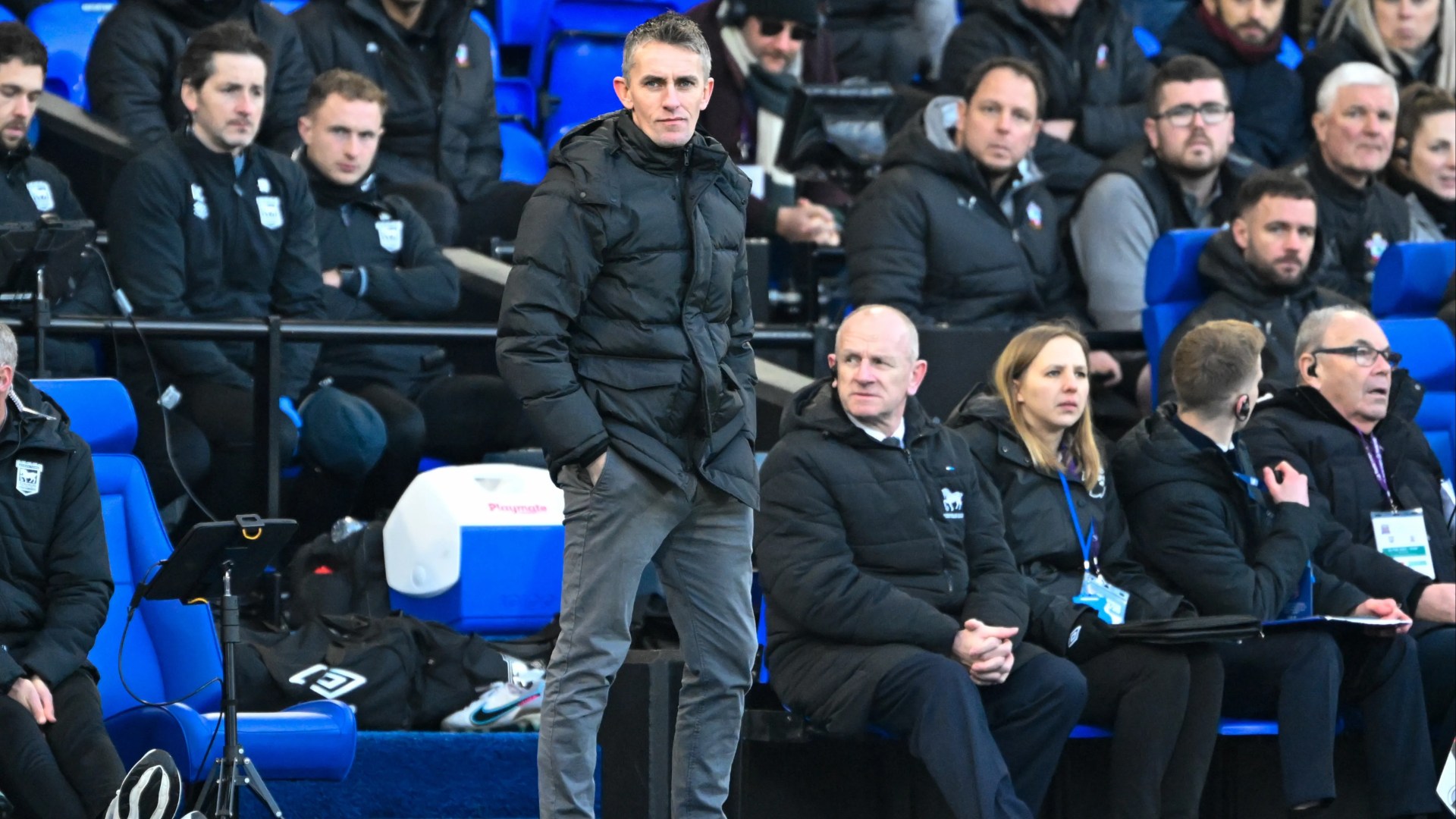
Ipswich Town manager Kieran McKenna found himself in hot water with the Football Association (FA) following his post-match comments about what he perceived as biased refereeing. In a heated press conference after Saturday’s 1-1 draw at Aston Villa, McKenna accused referees of targeting "smaller" Premier League clubs, particularly during away matches. His ire was primarily directed at the first yellow card given to defender Axel Tuanzebe by referee Rob Jones, which McKenna felt was unjustified and overly harsh. "I didn’t think it was a foul," McKenna said, emphasizing his frustration. "Even if it was a foul, I think it was a decision given against a smaller team against a bigger team away from home."
The Incident and Tuanzebe’s Red Card
The flashpoint occurred early in the match, just before the 40th minute, when Tuanzebe was shown his first yellow card for a challenge that McKenna believes was a clean tackle. According to McKenna, the card was out of the pocket before the ball had even stopped rolling, indicating what he perceived as a premature and unfair decision. This initial booking set a negative tone for Tuanzebe, who later saw red for a second yellow card, bringing down Jacob Ramsey near the edge of the area. Tuanzebe was visibly gutted by the early dismissal, and the red card significantly disrupted Ipswich’s defensive structure and game plan.
McKenna’s Broader Critique of Refereeing
McKenna’s criticism extended beyond this particular match, reflecting a growing concern he has with the way smaller clubs are treated by referees. "Anyone can make a mistake, but I think it’s more how quickly the yellow came out," he explained. "Even if it was a foul, so many times this season I’ve not seen a yellow on the first foul at all. And I don’t think it was a foul. I think he got the ball." He further added, "If you’re booking a full-back for something like that away from home, you have to be right on the first foul, because you know it’s going to be a real hard game from then on." This sentiment underscores a belief that referees are quicker to penalize players from clubs perceived as less prominent, a notion that has been a subject of debate within the football community.
Impact on the Match and Team Performance
Despite the setback, Ipswich Town put up a valiant effort in the second half. Liam Delap, a key player for Ipswich, stunned the home fans by scoring just 11 minutes into the second period, turning home Omari Hutchinson’s cross. However, the match took a dramatic turn as Aston Villa, under the leadership of Unai Emery, grew increasingly frustrated. The turning point came midway through the second half when loanee striker Marcus Rashford, who came on at the break, hit the bar with a free-kick. Ollie Watkins capitalized on the rebound to equalize, securing a point for Villa. The draw lifted Ipswich to third bottom in the league, just above Leicester City, but a victory would have put them level on points with Wolves. McKenna acknowledged his team’s solid performance in the first 40 minutes, noting, "A really good solid first 40 minutes, pretty much Even Stevens, then down to 10 men."
Ex-Referee Dermot Gallagher Responds
The FA is keen on clamping down on criticism of referees to maintain the integrity and respect of the game. Ex-Premier League referee Dermot Gallagher weighed in on McKenna’s comments, offering a professional perspective. "As a referee, you are so focused on what you have to do," Gallagher said. "You do not have time to think, ‘This club is bigger than this club’. It would not cross your mind." Gallagher’s remarks highlight the intense concentration required by referees, suggesting that they make decisions based solely on the action on the field, without bias towards the size or status of the clubs involved. His input is likely to be considered by the FA in their assessment of McKenna’s statements.
The Broader Context and Future Implications
McKenna’s comments are part of a larger conversation about the perceived disparity in refereeing decisions, a topic that has been discussed by many managers and players in the Premier League. The incident with Tuanzebe and the subsequent red card is just one example of the challenges smaller clubs face, both on and off the field. While referees like Gallagher maintain that their decisions are impartial, the ongoing discourse suggests that there is a need for more transparency and accountability. For Ipswich, the draw and Tuanzebe’s early dismissal highlight the importance of staying disciplined and composed, especially during crucial away matches. McKenna will need to navigate these waters carefully in the future, balancing his team’s interests with the expectations of fair play and respect for the game.