
A Youngster’s Bittersweet Debut
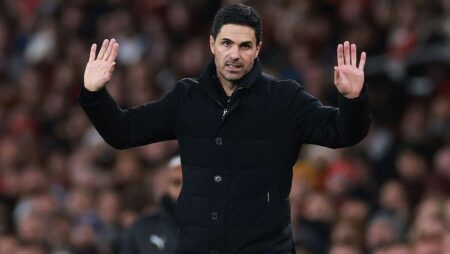
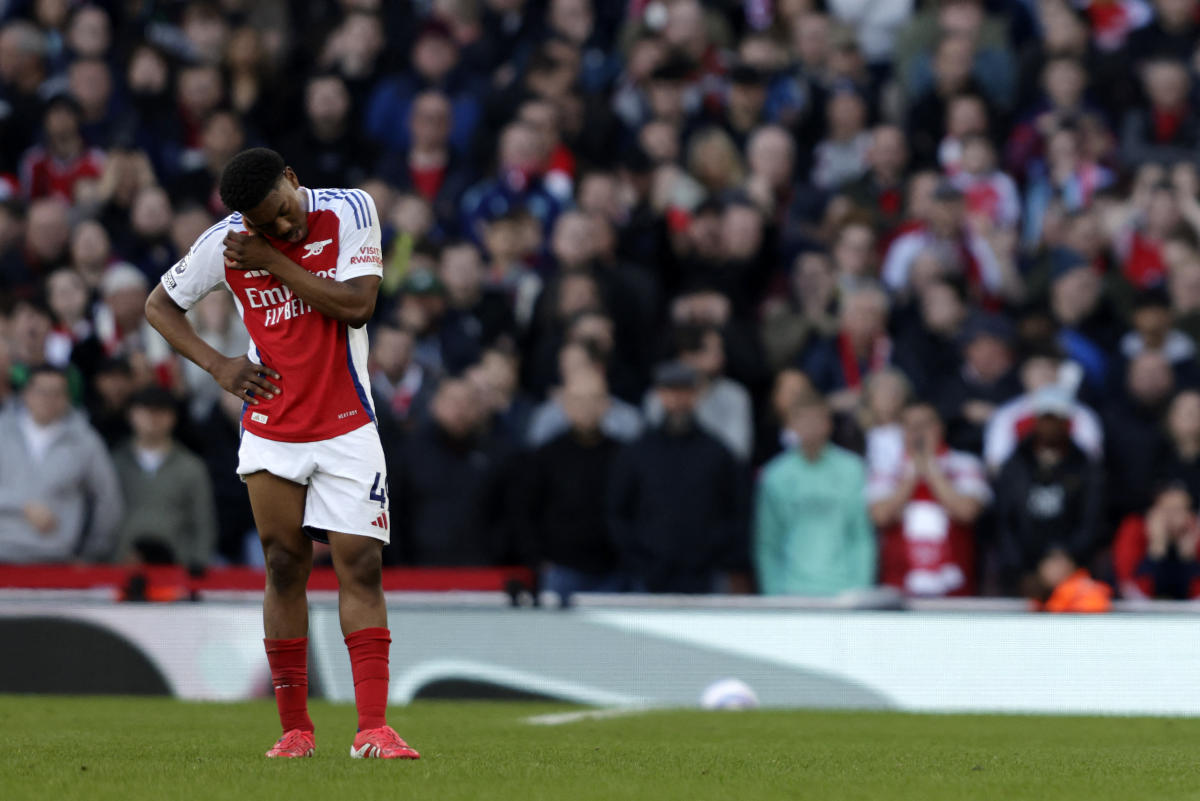
At the Emirates Stadium, the stage was set for a thrilling Premier League match between Arsenal and West Ham. With the home crowd roaring and the scoreline reading 1-0 in favor of the visitors, Arsenal’s manager Mikel Arteta knew he needed to make a decisive change to turn the tide. In the 56th minute, he called upon 18-year-old midfielder Miles Lewis-Skelly, a young talent brimming with potential and promise. The decision to bring on Lewis-Skelly was a reflection of Arteta’s faith in the club’s youth development system, a crucial aspect of Arsenal’s long-term strategy. However, little did anyone know that this moment would lead to an unfortunate and historic setback for the young player.
A Mistake that Cost Dear
Just 17 minutes after his introduction, Lewis-Skelly found himself in a difficult situation. In a moment of desperation, he brought down Mohamed Kudus near the halfway line. The referee, without hesitation, reached for the red card, signaling the end of Lewis-Skelly’s short-lived appearance. The stadium fell silent as the reality of the situation set in. For Arsenal, this meant playing the remainder of the match with 10 men, a significant disadvantage that made the challenge of overturning the scoreline even more daunting. The fans, who had initially cheered the young player’s entrance, now watched in dismay as he walked off the pitch, his head held low.
A Record for the Wrong Reasons
Lewis-Skelly’s early exit from the match wasn’t just a setback for Arsenal; it also marked an unwanted piece of Premier League history. At just 18 years and 121 days old, he became the youngest player in the league’s history to receive more than one red card. While his previous red card against Wolves was later rescinded, the current decision is unlikely to be overturned. This adverse record highlights the challenges that young players face when they step into the professional spotlight, where every mistake is magnified and can have lasting consequences.
The Need for Discipline
Miles Lewis-Skelly’s talent is undeniable. He is a product of Arsenal’s robust youth system, known for nurturing and developing some of the game’s most promising talents. However, the recent incidents on the pitch underscore a critical area for improvement—discipline. Young players often bring energy and enthusiasm to the game, but they must also learn to channel these qualities in a way that doesn’t harm their team. For Lewis-Skelly, this experience will be a valuable lesson in the importance of maintaining composure and adhering to the rules of the game. The challenge now lies in ensuring that he can grow from this setback and continue to develop both on and off the pitch.
Support from the Club
Arsenal has a history of supporting its young players through tough times, and the club’s response to Lewis-Skelly’s red card will be crucial. The team’s management, coaches, and senior players will play a significant role in helping him navigate this difficult period. Arteta, known for his commitment to player development, will likely work closely with Lewis-Skelly to address his disciplinary issues and ensure that he doesn’t become a repeat offender. The club’s support will be instrumental in shaping the young player’s future, as they aim to turn this negative milestone into a learning opportunity.
Looking Ahead
Despite the unfortunate record, Lewis-Skelly’s future at Arsenal remains promising. The Premier League is a grind, and every player, especially the young ones, will face their share of challenges and setbacks. The key is to learn from these experiences and emerge stronger. As Lewis-Skelly continues to develop, the hope is that he will not only hone his skills but also improve his decision-making and discipline. The support of his club, teammates, and fans will be crucial in this journey. For Arsenal, managing their young talents responsibly and providing the necessary guidance will be essential in building a sustainable and successful future.