
Goodbye Goodison, Hello New Era
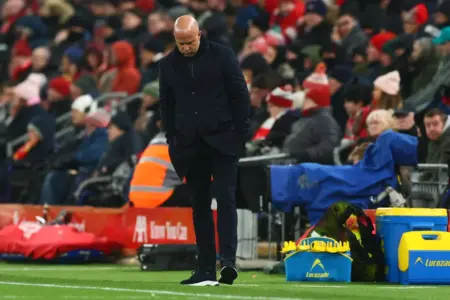
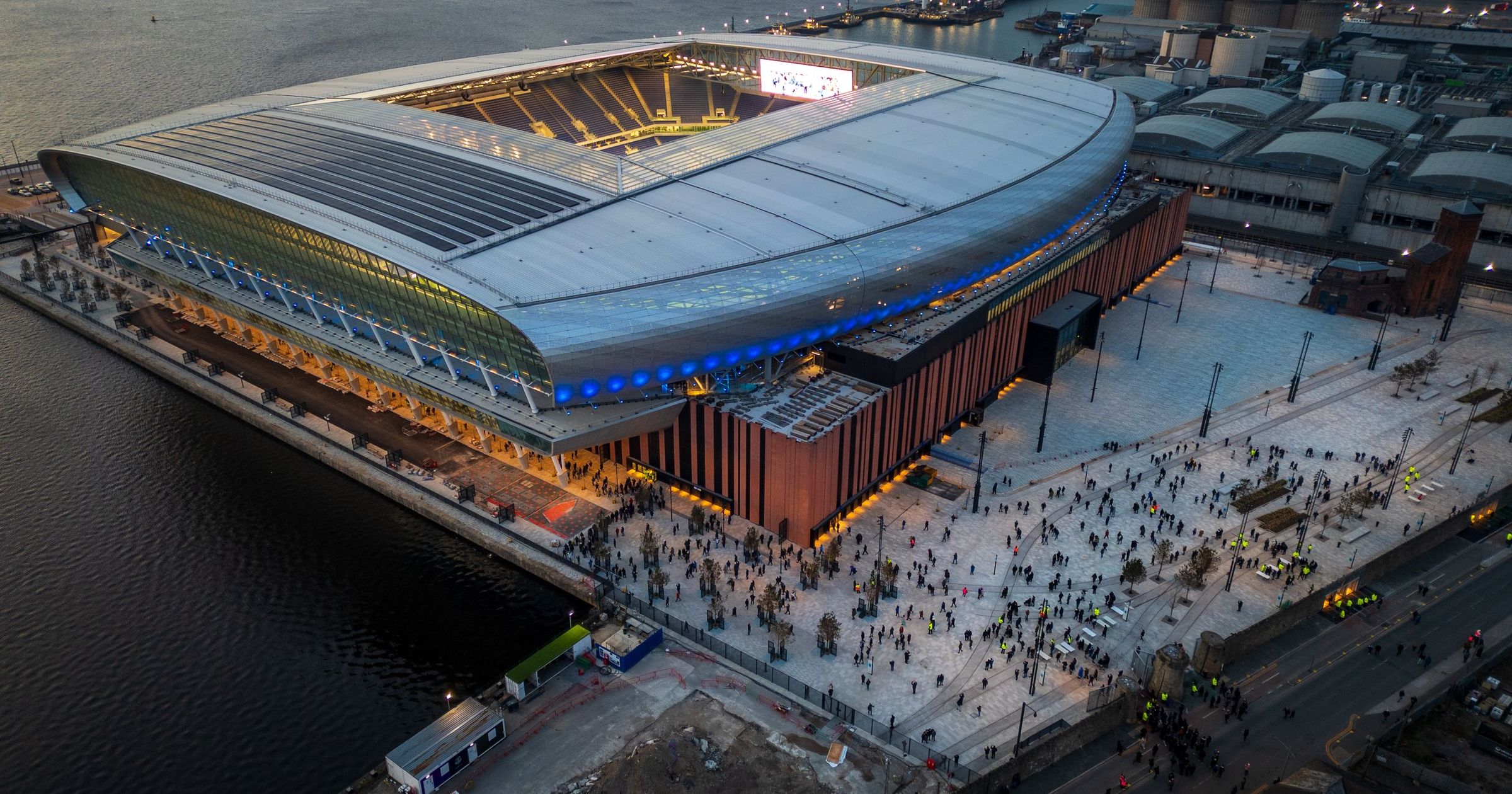
For many Evertonians, the final fixture against Liverpool at Goodison Park held more than just the usual rivalry and excitement. This game marked the end of an era, as the Toffees prepare to leave their beloved home of over 130 years for a brand-new stadium. The move, which is set to take place at the end of the current season, symbolizes a significant chapter in the club’s rich history. Everton Stadium, the name it is currently known by, will rise from the historic Bramley-Moore Dock in north Liverpool, bringing with it a wave of anticipation and nostalgia. The location, just under 2.4 kilometers from the city center and around 3.2 kilometers west of Goodison Park, promises to maintain the club’s deep-rooted connections with the city while offering state-of-the-art facilities and a larger capacity.
A Grand New Home
Everton Stadium is being constructed with a target capacity of 52,888, which, if confirmed, would make it the seventh-largest stadium in the Premier League, surpassing Newcastle United’s St James’ Park. The inclusion of safe standing sections is a notable feature, highlighting the club’s commitment to modern standards and fan safety. This development is a significant leap from the most recent major renovation at Goodison Park in August 1994, which brought its capacity to 39,572 all-seater stands. The new stadium is not just a physical upgrade but a symbol of the club’s ambition and future growth. Fans and supporters are eagerly awaiting the official confirmation of the capacity, which could potentially increase if the government changes its legislation on the safe standing ratio.
Opening Ceremonies and Beyond
Everton’s new home is scheduled to host its first competitive league fixture in August 2025, marking a historic moment for the club and its fans. However, the stadium has already seen action, albeit in a test event. On February 17, the club’s under-18s played a friendly against Wigan Athletic in front of 10,000 excited fans. The event, while primarily a test of the stadium’s operational capabilities, also had a surprising twist: the first goalscorer at Everton Stadium was Harrison Rimmer, a Wigan academy product and a boyhood Liverpool fan, leading to a 2-1 loss for the young Toffees. Despite the unexpected outcome, the event was a resounding success and a taste of what fans can expect from the new venue.
Diverse Use and Community Engagement
Everton Stadium will not be limited to just Premier League fixtures. The club has ambitions to make it a multi-purpose venue that can host a variety of events. Alongside the usual home league games and Women’s Super League matches, the stadium will be one of the 10 host venues for Euro 2028. It has also been shortlisted for the 2025 Ashes, a major rugby league event, showcasing the club’s commitment to broadening its impact beyond football. Additionally, the stadium will have the capacity to host outdoor concerts and other major sporting events, ensuring that it remains a vibrant and integral part of Liverpool’s cultural landscape.
The Cost of Progress
The development of Everton Stadium has not been without its challenges. The costs have spiraled from an initial estimate of £500 million to over £800 million, a figure that was disclosed in Premier League documents as part of the club’s appeal over last season’s 10-point deduction for breaching Profit and Sustainability Rules. The significant financial investment underscores the club’s resolve to create a world-class facility. While the increased cost has raised some eyebrows, it reflects the ambitious scale of the project and the club’s long-term vision for success and community engagement.
The Legacy of Goodison Park
As Everton prepares to move into its new stadium, the fate of Goodison Park is a topic of much discussion and emotion. The club has planned a ‘Farewell to Goodison Festival’ to celebrate the iconic ground. The festival will feature live music and events with both current and former first-team squad members, allowing fans to bid a proper and heartfelt goodbye to the historic venue. Once the Premier League season has concluded, Goodison Park will be demolished, and the site will be redeveloped. While this marks the end of one chapter, it also opens up new possibilities for the club and the community, ensuring that the legacy of Goodison Park lives on in a different form.