
Manchester United’s Post-Season Asia Tour: A Strategic Move Amidst Criticism
Manchester United is gearing up for an ambitious post-season tour, with plans to play two friendlies in Asia immediately after the 2024/25 Premier League season wraps up in late May. The Red Devils, known for their global fan base and commercial prowess, are set to jet off to Malaysia and Hong Kong for these matches, which are expected to net the club around £10 million. This financial incentive is particularly crucial as the club grapples with significant financial losses over the past five years, despite record revenues. The decision to embark on this tour, while lucrative, is not without controversy, especially given the recent backlash against similar post-season trips by other Premier League clubs.
The Controversy Surrounding Post-Season Friendlies
At the end of the 2023/24 season, Tottenham Hotspur and Newcastle United faced widespread criticism for their trip to Australia, which included an end-of-season friendly. Legendary striker Alan Shearer was particularly vocal, describing the decision as "madness." Shearer’s concerns were echoed by many in the football community, who raised questions about the excessive workload on players and the potential for injuries. The criticism was further compounded by the prospect of players having to juggle international commitments, such as the Copa America or Euro 2024, with these additional fixtures. Despite the controversy, Manchester United appears to be pressing ahead with their own plans, underlining the club’s commitment to financial recovery.
The Financial Imperative
The financial rationale behind Manchester United’s post-season tour is clear. With the club posting losses of over £300 million over the past five years, the hierarchy, led by Sir Jim Ratcliffe, is under immense pressure to find new revenue streams. The Asia tour, which is expected to generate around £10 million, is a strategic move to leverage the club’s massive fan base in the region. Malaysia, in particular, is a significant market for United, with Malaysia Airlines being the club’s official commercial airline partner. However, the last time United played in Malaysia was in 2009, and in Hong Kong in 2013. The club’s decision to return to these markets is a testament to their ongoing commercial strategy.
The Logistics and Timing
The logistics of the Asia tour are being carefully planned to minimize the impact on the players. According to Simon Stone of the BBC, there is a window of about a week between the Red Devils’ last Premier League match against Aston Villa on May 25 and the Champions League final on May 31. After the Champions League final, players will be released for international duty. This tight schedule has raised concerns about player fatigue and the potential for injuries, especially for those representing their countries in international competitions. Despite these challenges, the club is moving forward with the tour, highlighting the delicate balance between financial imperatives and player welfare.
The Club’s Financial Challenges and Staff Cuts
The decision to embark on the Asia tour comes at a time when Manchester United is undergoing significant financial restructuring. Just days before the announcement of the tour, the club confirmed that it will be making hundreds of staff redundancies in an effort to return to profitability. This move underscores the severity of the financial challenges facing the club and the need to implement cost-cutting measures. The financial pressures are not limited to revenue generation but also extend to reducing expenditure, making the Asia tour an even more critical component of the club’s financial strategy.
Looking Ahead: Pre-Season Tour and Player Wellbeing
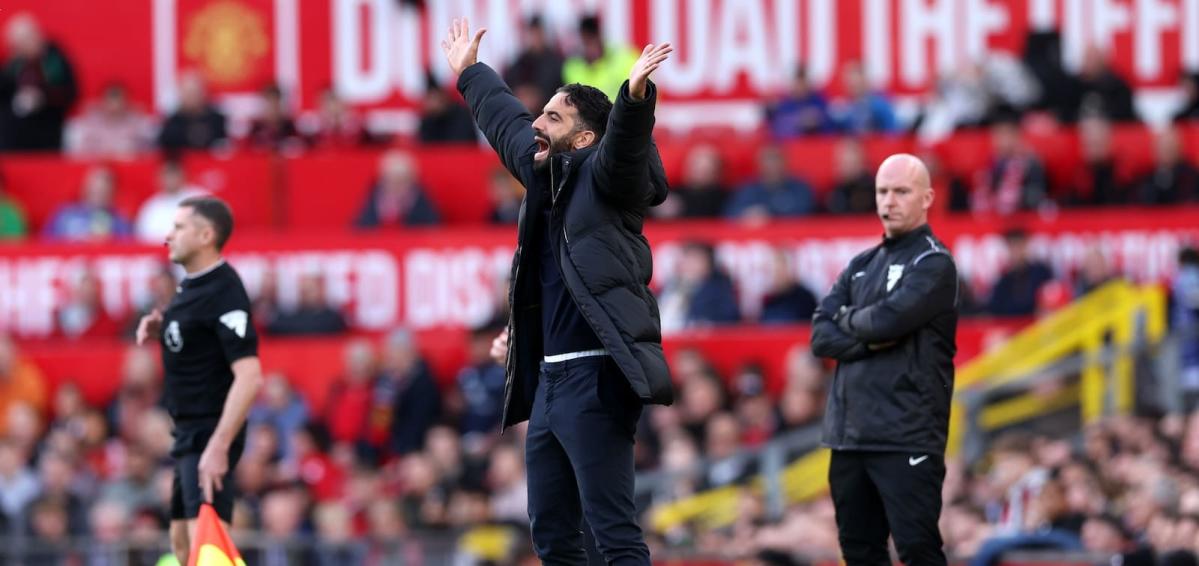
After the Asia tour, Manchester United’s squad will have a short break before heading to the United States for their pre-season tour ahead of the 2025/26 season. The pre-season tour is another opportunity for the club to generate revenue and engage with fans in another significant market. However, the cumulative effect of these tours on player wellbeing is a matter of ongoing concern. Manager Ruben Amorim has acknowledged the club’s off-the-pitch challenges and the role of the players in addressing these issues. Balancing the financial needs of the club with the welfare of the players will be a key challenge for the Red Devils as they look to navigate the busy summer schedule.