
The Steady Decline of Manchester United
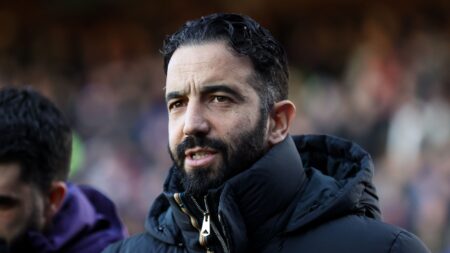
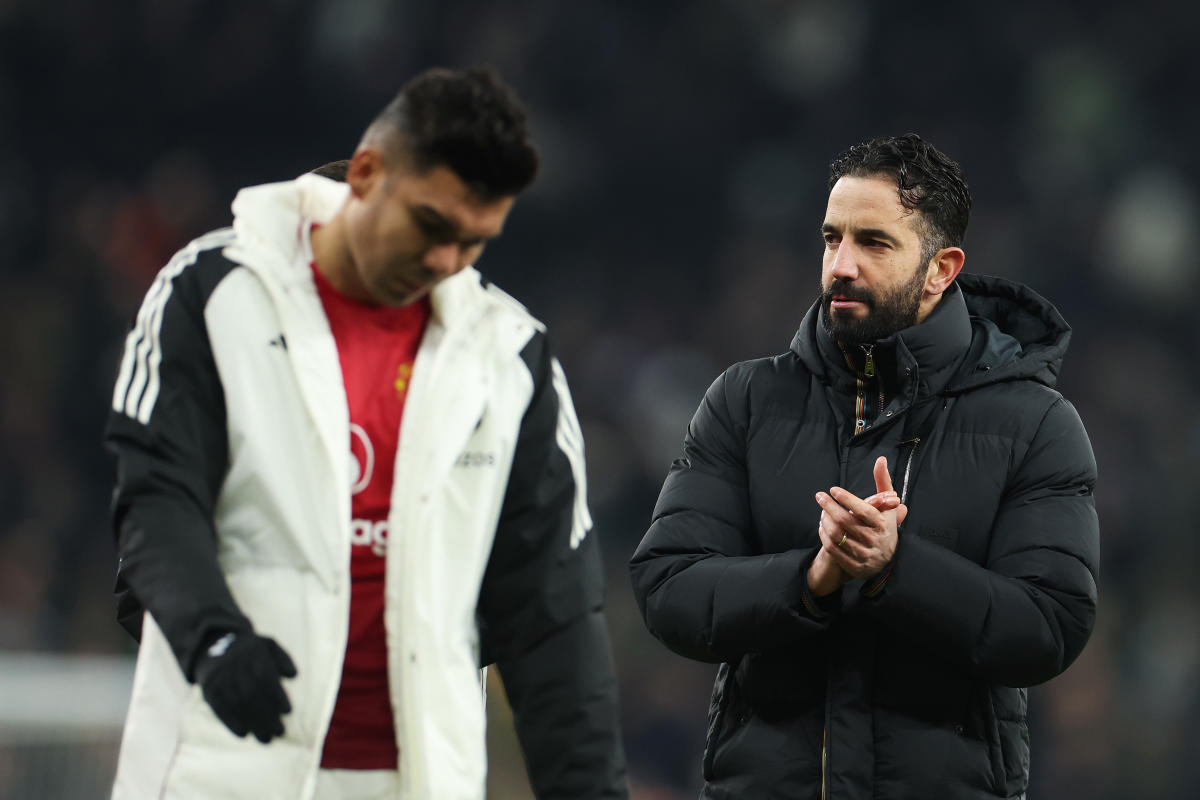
Manchester United’s latest 1-0 defeat at Tottenham Hotspur, marking their 12th loss in just 25 games, has dropped them to 15th place in the Premier League, a mere three spots away from the relegation zone. This is yet another low point in the club’s prolonged period of decline. While the Red Devils have faced tough times before, the current situation is unprecedented. What sets this era apart is the quality of the teams systematically embarrassing United. Manager Ruben Amorim, brought in with great fanfare in November, has struggled to turn things around, admitting to having "a lot of problems" after the recent loss. The club’s issues are multifaceted, rooted in long-term mismanagement by the reviled Glazer family and incompetent executives, compounded by a roster filled with mediocre players and frequent injuries. Despite Amorim’s best efforts, the team continues to falter, raising serious concerns about its future.
The Premier League’s Rising Prowess
The story of Manchester United’s decline is deeply intertwined with the broader narrative of the Premier League’s evolution. Over the past decade, the league has transformed into the hardest and most competitive in the world. The financial boom, driven by massive TV revenue deals, has played a pivotal role in this transformation. In 2012-13, when the Premier League’s domestic TV deal was worth £1.8 billion, eight English clubs featured in Deloitte’s Football Money League, a ranking of the world’s top 30 soccer clubs by revenue. Fast forward to the present, and the number has surged to 14, including newcomers like West Ham, Aston Villa, Brighton, Crystal Palace, Everton, Fulham, and Wolves. This influx of wealth has allowed mid-table clubs to attract players of a caliber that previously only top European teams could afford, dramatically narrowing the gap between the traditional "Big Six" and the rest of the league.
The Changing Face of Mid-Table Clubs
The stark contrasts in the quality of players across thePremier League are evident. For instance, Aston Villa’s back four in 2012-13 consisted of Matt Lowton, Ciaran Clark, Nathan Baker, and Joe Bennett, with Ashley Westwood in midfield. Today, Villa’s defense features Matty Cash, Ezri Konsa, Pau Torres, and Lucas Digne, internationally recognized stars from Poland, England, Spain, and France, respectively, with World Cup winner Emiliano Martinez anchoring the backline. Similarly, West Ham, currently in 16th place, has evolved from relying on players like Kevin Nolan, Mark Noble, Matt Jarvis, Matthew Taylor, Carlton Cole, and Andy Carroll to fielding a squad with players signed from top clubs like Paris Saint-Germain, Ajax, and Borussia Dortmund, plus a Brazilian national team mainstay. This trend is not isolated to a few clubs but is widespread, illustrating the league’s overall elevation in talent and financial clout.
The Global Attraction of the Premier League
The Premier League’s financial might has also attracted a diverse and highly skilled group of coaches to England. These managers bring with them international experience and innovative strategies, further raising the standard of competition. The league’s ability to lure top talent and technical expertise has created a scenario where the Big Six’s advantages, while still significant, are no longer insurmountable. The margin for error has diminished, and the pressure to perform at the highest level is relentless. This has led to a muddling of the mid-table, where clubs like Villa, West Ham, and Wolves can now outshine and outspend many top-tier teams from other European leagues, making the competition even more intense and unpredictable.
Manchester United’s Position in the Global Soccer Landscape
Man United’s fall from grace is starkly illustrated by its current position in Opta’s global power rankings. Once a clear top-20 team in the world, the Red Devils are now ranked 35th, a testament to their prolonged struggles. In the context of the Premier League, this ranking is particularly significant because there are 12 English clubs above them, compared to just five in Spain and two in Germany. This highlights the league’s deep talent pool and the high standard of play across the board. Despite the club’s storied history and global fan base, the reality is that Man United is no longer the dominant force it once was, and its struggles are a microcosm of the broader challenges faced by traditional powerhouses in the increasingly competitive EPL.
The Future Challenges for Manchester United
The road to recovery for Manchester United remains steep and uncertain. The club’s mismanagement and internal issues are deeply entrenched, and the Premier League’s overall rise has made it even more difficult for the Red Devils to regain their former glory. The transformation in the league’s mid-table, where once-overmatched teams are now fielding star-studded lineups, presents a formidable challenge. For Ruben Amorim and his successors, the task will be to rebuild not just the team but the entire club culture. The Premier League’s relentless pace and high standards mean that no team, no matter how prestigious, can afford to rest on its laurels. Manchester United’s journey back to the top will require significant investment, strategic planning, and a return to the principles that once made them a legend in the world of football.