
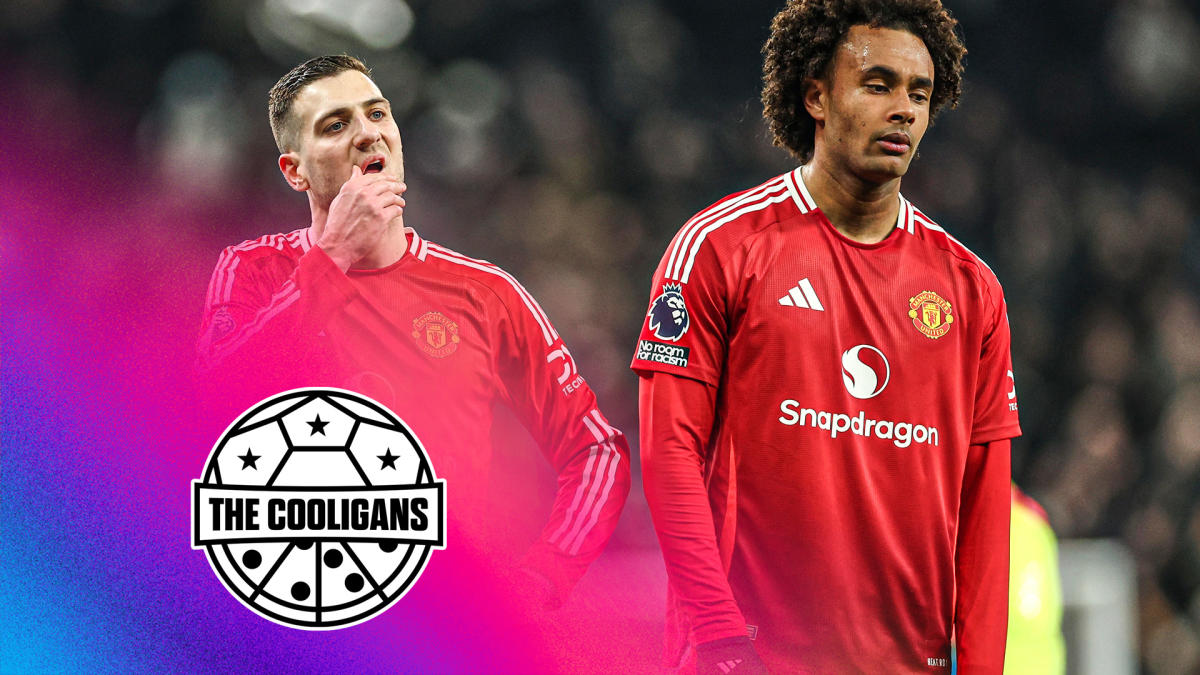
Manchester United’s Current Plight
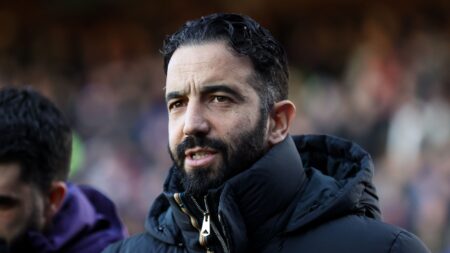
Manchester United, one of the most storied and iconic clubs in the world, finds itself in a truly unprecedented predicament this season. Sitting in 15th place in the Premier League, the Red Devils are experiencing what many would describe not just as a slump, but a tragic downfall. Despite the optimism that followed the arrival of Amram, the situation has only seemed to deteriorate further. This precipitous drop in form has sparked a wide range of reactions, from shock to despair, among both fans and pundits. The prevailing sentiment is that the club is undergoing a necessary cleansing, a painful but essential process to rid itself of the deep-seated issues that have plagued it for years.
The Need for Radical Change
The current state of Manchester United is a clear indication that the club has reached a critical juncture. The term "rock bottom" is often used metaphorically, but for United, it seems all too real. As Christian Polanco and Alexis Guerreros discuss on "The Cooligans" podcast, this phase of struggle might be the catharsis the club needs to rebuild. While it’s painful to witness, the idea is that by hitting this low point, the club can finally address its fundamental problems and emerge stronger. The management and ownership need to take a hard look at their strategies and make significant changes. This is not just about signing a few more players; it’s about rethinking the entire club structure and culture.
Financial Disparity and the Premier League Landscape
One of the key factors contributing to Manchester United’s struggles is the financial landscape of the Premier League. The league has seen an influx of money, particularly from lucrative TV deals, which has allowed mid-table and bottom-table teams to significantly boost their spending power. These teams, once considered minnows, now have the financial muscle to rival or even surpass traditional giants like United. This leveling of the playing field has made it much harder for poorly managed clubs to maintain their competitive edge, even if they have substantial revenue from jersey sales, ticket sales, and TV rights. Manchester United, despite its massive global fanbase and financial resources, has faltered due to years of mismanagement and poor decision-making.
Mismanagement and Its Impact
The mismanagement at Manchester United has been pervasive and multifaceted. From the boardroom to the training ground, the club has struggled to align its vision, strategy, and execution. The board’s reluctance to invest in top talent and the inconsistency in managerial appointments have led to a disjointed and underperforming team. The club’s inability to outsmart and outspend its competitors, coupled with internal conflicts and a lack of long-term planning, has brought it to this dire position. Even with a massive revenue stream, the club’s mismanagement has negated much of its financial advantage, making it nearly impossible to compete with teams that are run more efficiently and strategically.
The Importance of Manchester United
Manchester United’s presence and success are crucial to the global appeal of the Premier League and football as a whole. When United is performing at its best, the club elevates the entire sport, providing intense matches, memorable moments, and a standard of excellence that fans around the world admire. However, the current state of the club has led to a disappointed and often delusional fan base. Fans are clinging to the hope that Amram can be the leader to steer the club back to glory, but this hope is tempered by the harsh reality of the club’s struggles. The disconnect between the club’s historical significance and its current performance is stark, and it’s a situation that has left both fans and observers disillusioned.
A Path Forward
While the journey to recovery will be long and arduous, there is still hope for Manchester United. The club needs to start by addressing its management issues and bringing in a strong, visionary leader who can implement a clear and effective strategy. With 12 transfer windows under Amram’s belt, there is a potential for gradual improvement, provided the club supports him with the resources and stability he needs. Additionally, the club must focus on youth development, nurturing the next generation of players who can carry the mantle. Finally, United needs to embrace a culture of accountability and transparency, ensuring that every decision is made with the club’s long-term success in mind. Only through these comprehensive changes can Manchester United hope to rise from its current position and once again compete at the highest level.