
The Africa Cup of Nations Controversy
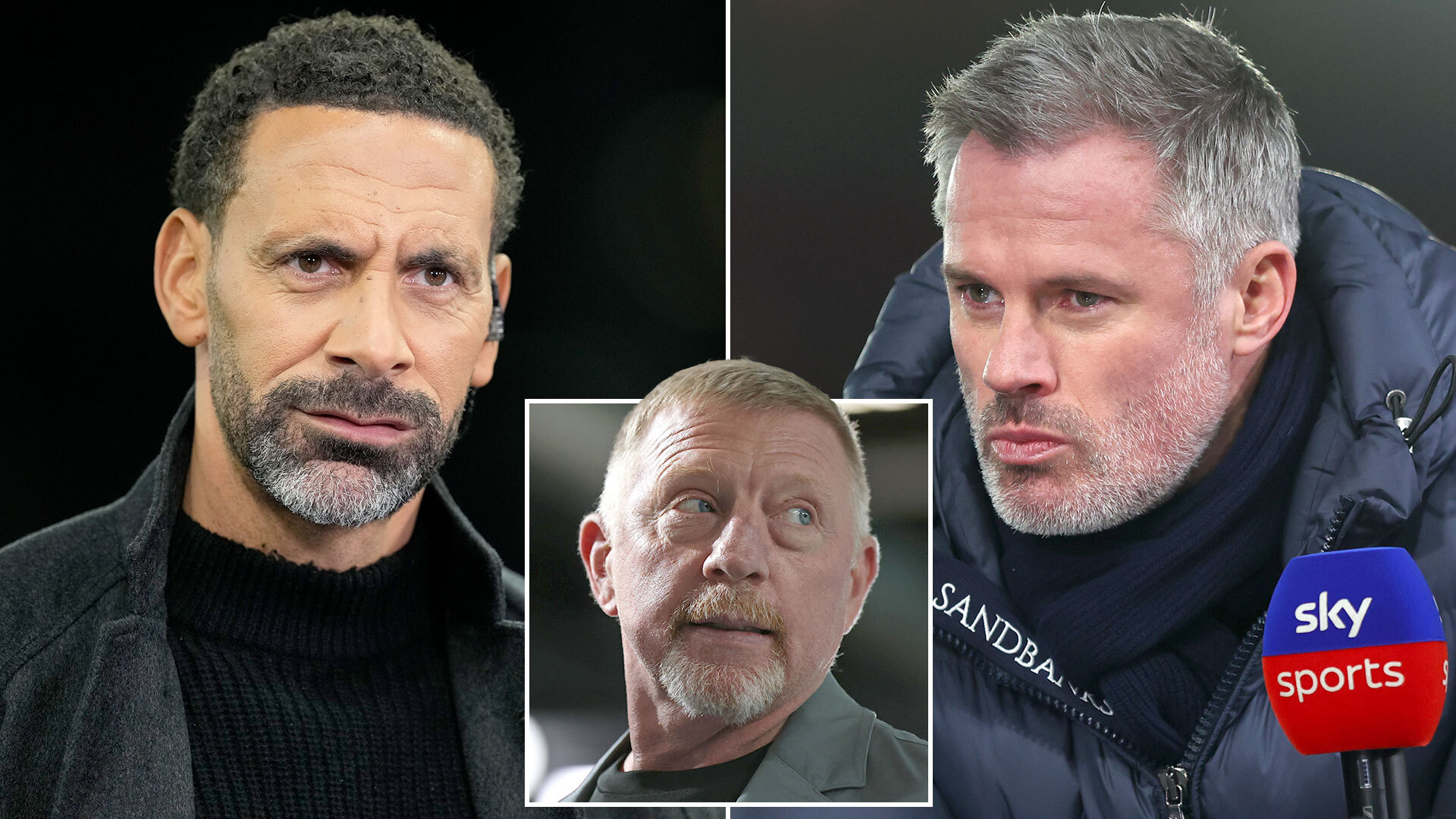
The ongoing feud between Rio Ferdinand and Jamie Carragher has once again been brought to the forefront due to a fresh wave of criticism. This time, it comes from an unlikely source: tennis legend Boris Becker. Carragher, 47, sparked controversy with his comments on Sky Sports following Liverpool’s 2-0 victory over Manchester City. He suggested that Mo Salah’s chances of winning the Ballon d’Or were hindered by his participation in the Africa Cup of Nations (Afcon), stating that major tournaments like the Euros, Copa America, or the World Cup were more significant. This opinion has not only ruffled feathers in football circles but has also drawn ire from prominent figures like Daniel Sturridge, Micah Richards, and, notably, Rio Ferdinand.
The Backlash from the Football Community
Ferdinand, never one to shy away from a debate, fired back at Carragher, labeling his comments as "ignorant." The former Manchester United star emphasized the importance of Afcon, a tournament that holds significant cultural and sporting value for many African nations. Carragher, however, did not take this criticism lightly. He responded to Ferdinand’s comment on Instagram, calling him a "clown" and insisting that his words were taken out of context. The fiery exchange has only added fuel to the already heated debate, with many in the football community siding with Ferdinand and others defending Carragher’s stance.
Pep Guardiola Weighs In
Carragher’s woes did not end there. He faced further backlash from Manchester City manager Pep Guardiola over comments made regarding Erling Haaland. During a CBS punditry segment, Carragher implied that Haaland, the Norwegian striker, had avoided playing in the club’s crucial Champions League second-leg match against Real Madrid due to a fear of Antonio Rudiger. Guardiola, visibly taken aback by these remarks, shook his head in disbelief and criticized Carragher for making "suspicious" statements. The City boss’s reaction underscores the depth of Carragher’s recent missteps and the respect he has lost among his peers and the wider football community.
Vincent Kompany’s Tenure at Bayern Munich
Adding to the controversy, Carragher also weighed in on Vincent Kompany’s tenure at Bayern Munich. Following Bayern’s narrow victory over Celtic in the Champions League play-offs, the Liverpool legend predicted that Leverkusen would advance in the upcoming tie and suggested that Kompany’s appointment would be scrutinized if the German side failed to reach the semi-finals. This comment did not go unnoticed by Boris Becker, a longtime Bayern fan and board member. Becker took to social media to defend the club and Kompany, stating that Bayern is happy with Kompany’s work and that domestic titles are their primary focus. Carragher’s lack of awareness regarding the club’s current strategy and the confidence in Kompany’s leadership was harshly criticized by Becker, further highlighting the pundit’s recent string of ill-informed and controversial statements.
Ferdinand’s Final Word
Rio Ferdinand, sensing an opportunity to further capitalize on Carragher’s misfortunes, responded to Becker’s tweet with a simple yet pointed message: "Boris… he’s having a bad couple weeks. Let him off." Ferdinand’s comment, while seemingly lighthearted, serves as a reminder of the mounting pressure on Carragher to rethink his approach to punditry. The former Manchester United defender’s words have resonated with many who feel that Carragher’s recent comments have been both misguided and disrespectful. The feud between the two has been ongoing, with each exchange bringing new layers to the debate and further polarizing opinions in the football world.
The Broader Implications
The controversy surrounding Carragher’s comments raises important questions about the role of football pundits in today’s media landscape. While the freedom to express opinions is crucial, there is a growing need for sensitivity and a deeper understanding of the global nature of the sport. Afcon, in particular, is a major tournament that deserves recognition for its cultural significance and the quality of football it showcases. Similarly, the implication that Haaland would avoid a match due to fear of a specific opponent is a damaging narrative that can have real effects on a player’s reputation. As the football community continues to navigate these debates, it is clear that both respect and accuracy are essential in maintaining the integrity of the sport.