
Manchester United’s Struggles in the 3-4-3 Formation
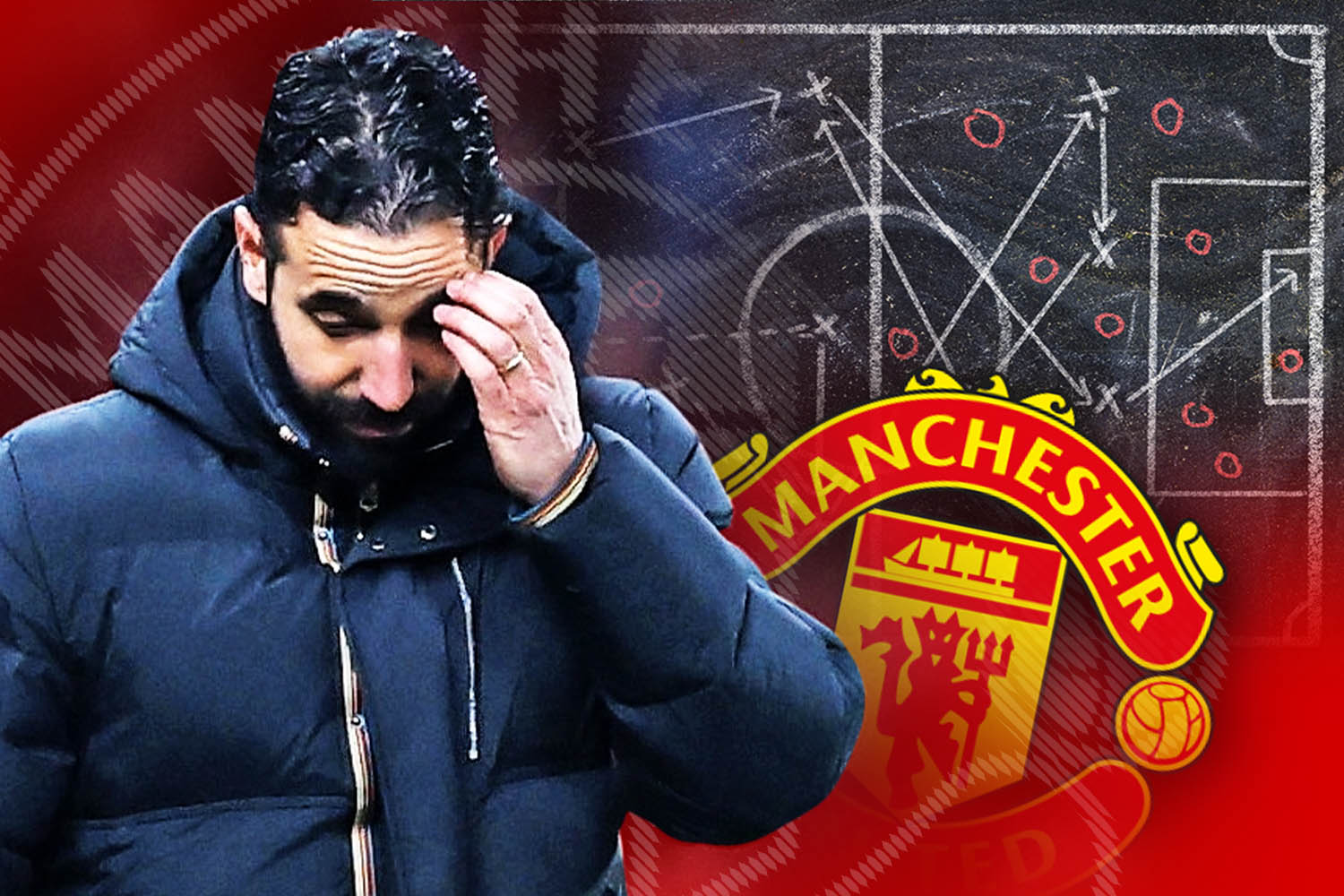
Manchester United’s transition to the 3-4-3 formation under new interim manager Ruben Amorim has not been as smooth as many hoped. The Red Devils find themselves languishing in 15th place in the Premier League, a far cry from their usual lofty heights. Despite the difficulties, there are glimmers of hope that this tactical shift could still bear fruit, even with nine defeats under their belt. Amorim, known for his successes at Sporting Lisbon, is under immense pressure to turn things around quickly, but the issues run deeper than just the formation itself.
Tactical Success and Player Decision-Making
During United’s 1-0 defeat to Tottenham, the formation itself was not the primary culprit. Instead, it was the players’ decision-making that let the team down. The back three of Harry Maguire, Matthijs De Ligt, and Noussair Mazraoui demonstrated a markedly improved understanding of their roles, providing a more solid defensive foundation. However, the midfield and attacking units struggled to capitalize on the opportunities presented by the 3-4-3 shape. Patrick Dorgu, who joined from Lecce at the beginning of the month, has been a standout performer as a left wing-back, seamlessly integrating into the team. His dynamic presence on the left flank has been a bright spot, but the lack of support from other players, particularly Alejandro Garnacho and Bruno Fernandes, has hampered the team’s fluidity. These players often failed to distribute the ball effectively to Dorgu, who was frequently in prime position to make penetrating runs into the opposition’s area.
Central Midfield Woes
The central midfield has been a major area of concern, with Bruno Fernandes often pulled out of position by Tottenham’s James Maddison, who operates on the inside left. Despite Fernandes having an impressive 105 touches during the match, his effectiveness was severely curtailed as he found himself constantly dragged to the right. This imbalance disrupted United’s midfield dynamics and prevented them from creating the necessary overloads. The 3-4-3 formation is designed to provide numerical superiority in various parts of the pitch by having wing-backs who can function as both defenders and attackers. However, when United attempted to switch play to exploit these overloads, they lacked the confidence and belief to execute it effectively. This lack of faith in the system is a significant psychological hurdle that needs to be overcome.
The Need for a Specialist Right Wing-Back
One of the most pressing issues is the lack of a suitable right wing-back. Diogo Dalot, who has been filling in, simply does not have the stamina and speed required to cover the vast distances and provide the attacking threat necessary for the 3-4-3 to function optimally. United desperately need a specialist in this role who can match the energy and versatility of Dorgu on the left. Without such a player, the formation will continue to be lopsided, making it difficult to achieve the balance and consistency needed to compete at the top level.
Forward Line Dynamics
The forward line has also struggled to adapt to the new formation. Rasmus Hojlund and Joshua Zirkzee, while capable in their own right, lack the dynamism and movement required to thrive in a 3-4-3 system. They often appeared static, unable to create the kinds of fluid, interchanging movements that can unsettle defenses. Amad Diallo, who has been sidelined due to injury, could have provided the necessary speed and agility to complement the formation’s attacking strategies. With the right players, the 3-4-3 can be a formidable weapon, as Amorim demonstrated when his Sporting Lisbon side inflicted a stunning 4-1 defeat on Manchester City in the Champions League last November. This serves as a reminder that tactical success is contingent on having players who can execute the manager’s vision effectively.
The Pressure Mounts
As the results continue to disappoint, the pressure on Amorim is mounting. Paul Scholes, a former United legend, has been particularly critical, stating that the club is staring relegation in the face unless they make seven new signings. Scholes’s comments highlight the紧迫性 of the situation and the need for immediate improvements. However, the feasibility of such extensive transfers, especially with the transfer window now closed, is questionable. United’s ownership, led by Sir Jim Ratcliffe, will be watching closely to ensure that the team shows signs of progress. The patience of the fans and the board is wearing thin, and Amorim will need to deliver results soon to maintain their confidence.
A Path Forward
Despite the current challenges, there are paths forward for Manchester United. The back three is showing promise, and the addition of a specialist right wing-back could significantly bolster the team’s effectiveness in the 3-4-3 formation. Amorim will need to work on improving the decision-making and movement of the midfield and forward players to ensure they can exploit the numerical advantages provided by the wing-backs. Additionally, fostering a stronger belief in the system among the players will be crucial. If United can address these areas, there is a chance that the 3-4-3 could become a viable and competitive setup for the team. The road ahead is fraught with difficulties, but with the right adjustments and a bit of luck, the Red Devils might yet find their way back to the top.