
The Tumultuous Journey: Lopetegui and AC Milan
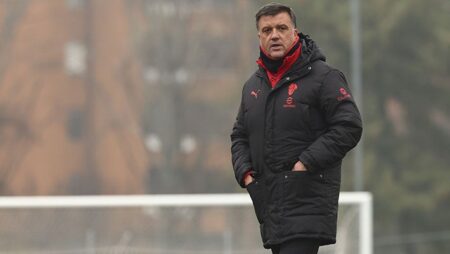
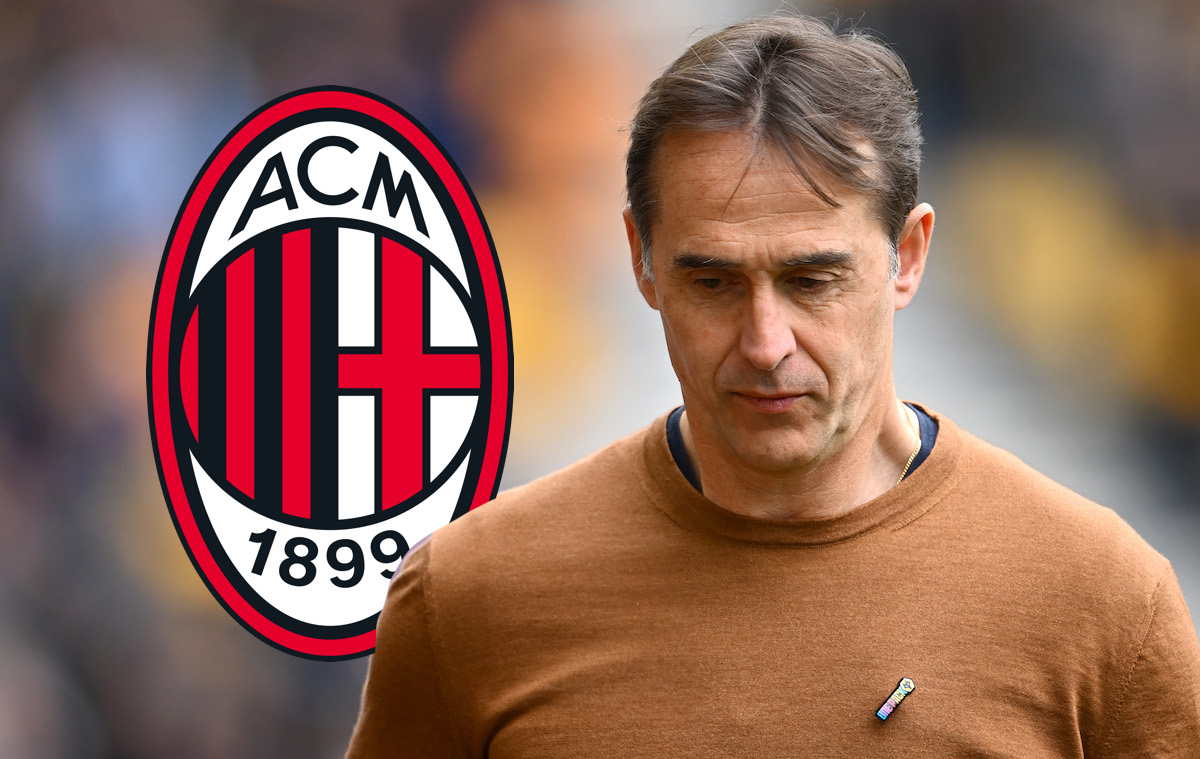
When the news broke that Stefano Pioli, after nearly five years at the helm of AC Milan, would be leaving his post, the club’s search for a new manager began in earnest. Among the candidates, one name quickly rose to the top of the list: Julen Lopetegui. Known for his tactical acumen and successful stints at several top clubs, Lopetegui seemed like a natural fit for the Rossoneri. However, this decision was met with significant backlash from the fanbase, who were vocal about their dissatisfaction. Despite the initial interest and seemingly positive negotiations, the talks between Lopetegui and Milan abruptly came to a halt, leaving many to wonder what exactly transpired.
Lopetegui’s Perspective: The Initial Contact and Attraction
In a recent interview with La Gazzetta dello Sport, Lopetegui offered his insights into the events that unfolded. He recalled the moment Milan first reached out to him, describing it as a moment of excitement and pride. “Milan got in touch and I am very happy,” he said, acknowledging the club’s prestigious history and the allure of the Italian league. Lopetegui has always had a deep appreciation for the way football is played in Italy, particularly the emphasis on tactical team play. He cited Arrigo Sacchi, the legendary Milan manager, as a significant influence on his own coaching philosophy. “Arrigo strongly stimulated my curiosity for football, he has inspired me, I have studied him and I have been lucky enough to know him,” he added, highlighting the profound impact Sacchi had on his development.
The Sudden Halt: Navigating Fan Backlash and Club Dynamics
The negotiations with Milan were progressing smoothly, but then, unexpectedly, they came to a screeching halt. Lopetegui reflected on this turn of events, noting, “The negotiation progressed well, then it stopped suddenly. It is not up to me to indicate and comment on the reasons for the stop.” The fan opposition was a well-documented issue, with supporters launching social media campaigns to voice their disapproval. While Lopetegui did not delve into the specifics, it is clear that the combination of fan pressure and internal club dynamics played a significant role in the breakdown of talks. The club ultimately decided to go in a different direction, opting for Paulo Fonseca, who would have a brief and unsuccessful tenure.
A Missed Opportunity: Could Lopetegui Have Made a Difference?
The question of whether Lopetegui could have fared better than Fonseca and perhaps even Pioli is one that lingers. Lopetegui’s subsequent move to West Ham, where he also faced challenges, adds an interesting dimension to this hypothetical scenario. While it is impossible to predict with certainty how things would have played out, Lopetegui’s proven track record and tactical acumen suggest that he might have brought a different perspective and approach to the team. The fan opposition, while daunting, might have been overcome with time and results. However, the abrupt end to the talks left many wondering what might have been.
A Future in Serie A: Lopetegui’s Ambitions
Despite the setback, Lopetegui remains undeterred in his desire to test himself in Serie A. “No, it happened in the past too, at times when I had other ideas. But the discussion with Serie A is not over. Sooner or later I would like to and honestly I think I will be able to test myself in what I consider a very stimulating championship from a tactical point of view,” he stated. Lopetegui’s continued interest in Italian football underscores his respect for the league and his belief in its competitive nature. The tactical complexity and the emphasis on collective play in Serie A continue to intrigue and challenge him as a coach.
A Look Ahead: Milan’s Champions League Challenge
Turning to Milan’s upcoming Champions League clash with Feyenoord, Lopetegui offered his thoughts on the match. “Today in the Champions League almost all teams are capable of creating problems for their opponents. And there are leagues that are less demanding and that allow young players to grow well and compete better in Europe, focusing on the continental objective,” he observed. He noted Feyenoord’s recent changes, including the move of Jairo Gimenez to Milan, but emphasized the team’s solid structure. “Feyenoord changed coaches and saw Gimenez move to Milan, two notable moves but evidently the structure was solid, as we saw in the first leg. Then it is clear that Milan has the qualities needed to come back,” he concluded, expressing confidence in the Rossoneri’s ability to secure a favorable result.