
The Storm of Frustration
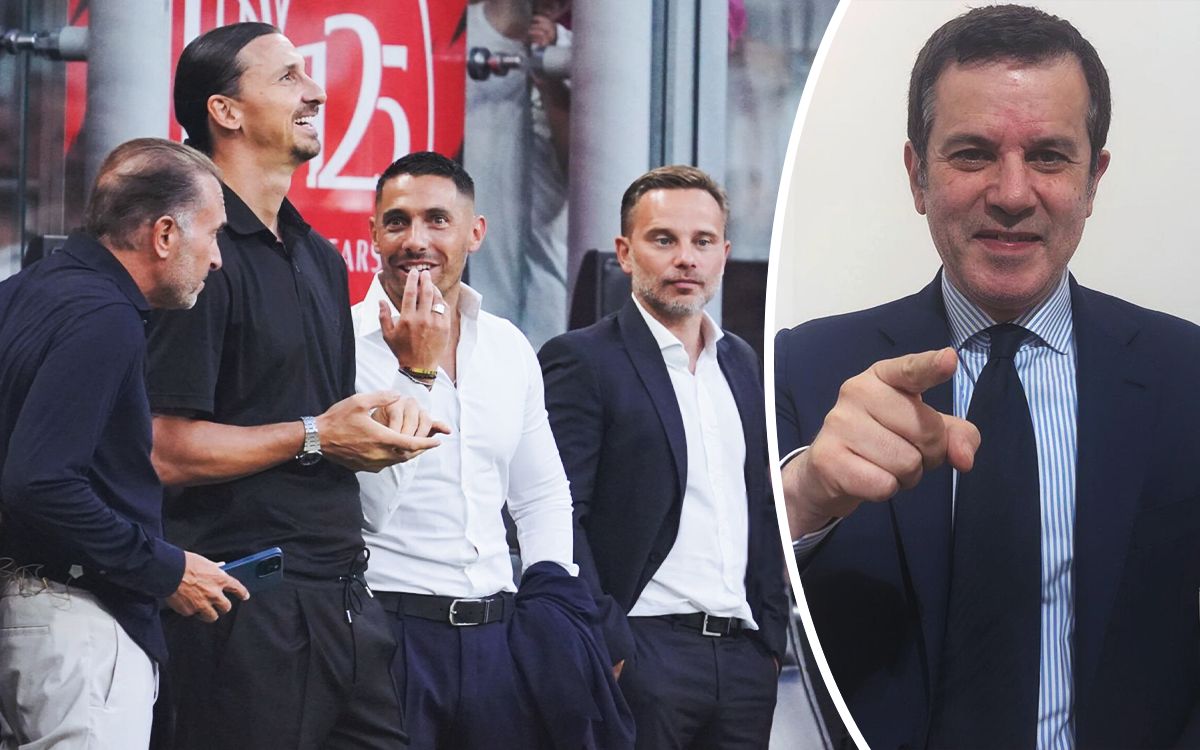
AC Milan’s exit from the Champions League has left a sense of profound disappointment and frustration among fans, players, and pundits alike. It’s not just the loss on the field; it’s the broader context of a season filled with setbacks and internal turmoil. The blame game has spiraled out of control, with accusations flying in every direction. From the coaching staff to the players and, most critically, the management, no one is spared from the harsh scrutiny following this devastating exit. Journalist Alfredo Pedulla’s recent comments highlight the deep-seated issues plaguing the club, emphasizing that this is not just a case of poor performance but a systemic failure.
The Timeline of Disarray
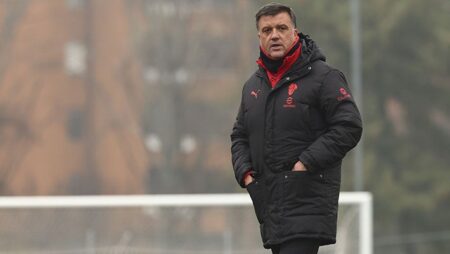
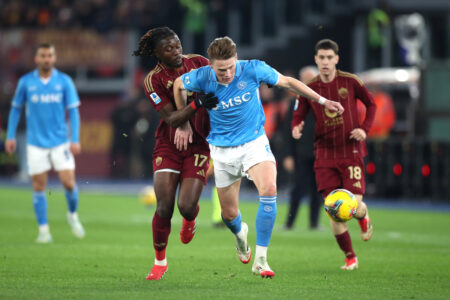
Pedulla points to three pivotal dates that illustrate the disarray at AC Milan. The first is August 31, when the transfer window’s closing moments were marked by chaos and indecision. The second is October 9, the day of a penalty-taking controversy during the match against Fiorentina. The incident, which involved a confused tussle over who should take the penalty, led to the suspension of Fikayo Tomori without any intervention from the club’s management. This lack of decisive action spoke volumes about the club’s dysfunction. The third date, December 29, saw an even more embarrassing debacle. Just before the crucial match against Roma, news broke that Paulo Fonseca had been relieved of his duties, only for him to deny it, and then confirm it a few hours later. The bungled communication and the spectacle it created further tarnished the club’s image.
A Collaborative Collapse
While it’s easy to point fingers, Pedulla argues that the blame is not isolated to any one individual or department. Instead, it is a collaborative collapse that has led to the current state of affairs. The team’s performance on the field is a reflection of the internal discord and lack of coherent strategy. This collaborative nature of the failure means that everyone from the players to the coaching staff, and especially the management, has contributed to the mess. The lack of a shared narrative exacerbates the problem, as the club’s stakeholders are left to navigate a web of conflicting opinions and perspectives.
The Need for Leadership
The most damaging aspect of this situation, according to Pedulla, is the absentee ownership and the lack of control. Ownership plays a crucial role in setting the tone and direction for a club, and in Milan’s case, it seems to be missing in action. This has had a ripple effect on the pitch, where players and coaches are left to deal with the consequences of managerial and administrative missteps. The club’s inability to address and rectify these issues in a timely and effective manner has compounded the frustration and contributed to the team’s struggles.
Future Directions
Pedulla’s comments highlight the need for a complete overhaul, particularly in the management and directorial positions. He suggests that if the transfer market were to reopen, Milan would not only be looking to strengthen their squad but also to address the deeper structural issues. The idea of a “directors’ market” opening up is a poignant one, signifying the urgent need to bring in competent and decisive leadership. Without such changes, Milan risks being caught in a perpetual cycle of underperformance and internal conflict, leaving them vulnerable to further disappointments.
The Broader Impact
The current state of AC Milan is a stark reminder of the importance of stability and clear leadership in football. The club’s history and tradition make these setbacks all the more poignant, as fans and supporters have high expectations. The synthesis of total disarray, as Pedulla puts it, is a warning to other clubs that without proper governance and a unified vision, even the most storied institutions can falter. The road to recovery will be long and arduous, but recognizing and addressing the root causes is the first step towards reclaiming the glory of the past.