
The Decision and the Confrontation
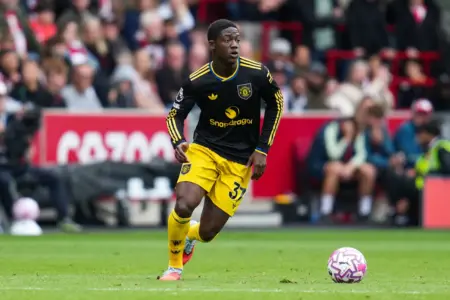
On Friday night, Udinese faced Lecce in a Serie A match at the Stadio Via del Mare. Just a half-hour into the game, the team was awarded a penalty kick. Normally, such a crucial moment would be entrusted to the designated penalty taker, especially when the team’s captain, Florian Thauvin, was on the pitch. However, Lorenzo Lucca, an Italian striker for Udinese, took a different path. He seized the ball and refused to let his teammates, including Thauvin, take it from him. This action led to a heated confrontation on the field, leaving Lucca to celebrate his successful conversion of the penalty alone, as his teammates were still processing the unexpected turn of events.
Runjaic’s Immediate Reaction
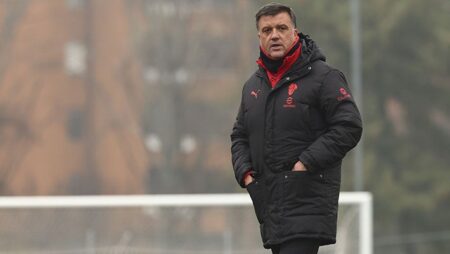
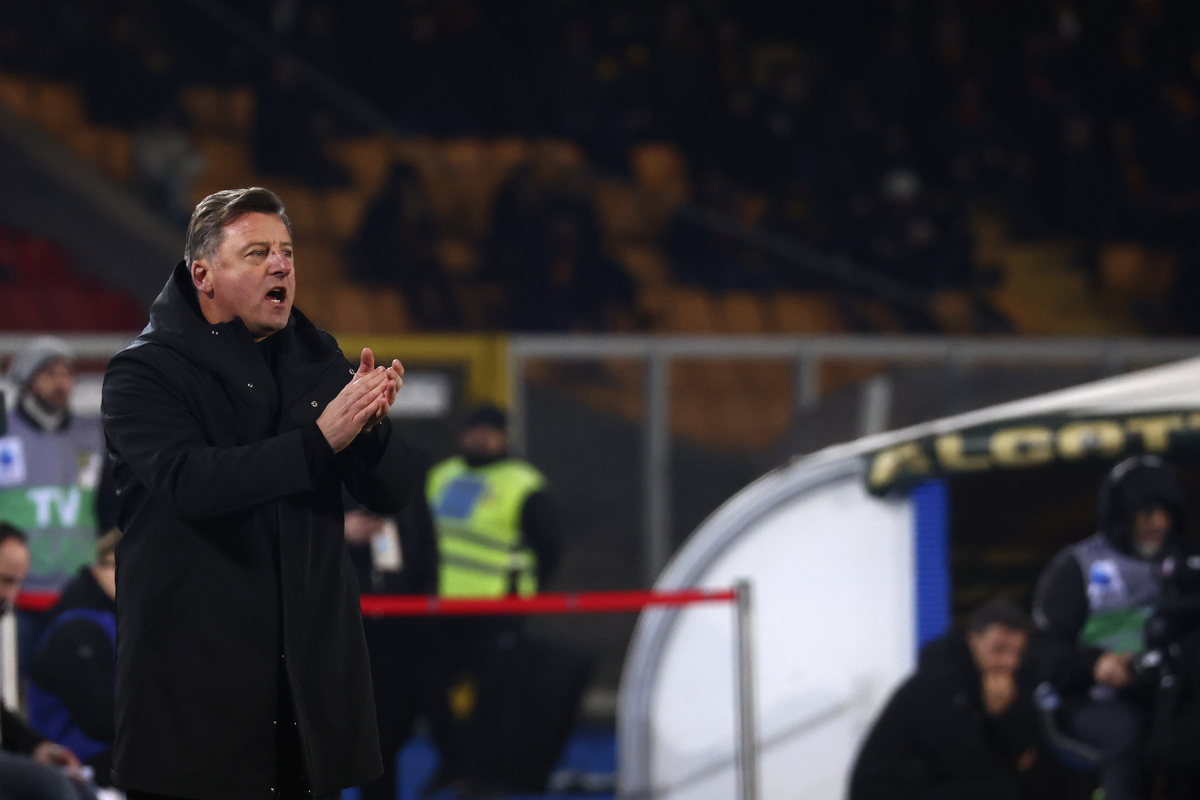
Udinese’s head coach, Kosta Runjaic, did not hesitate to act. Just six minutes after Lucca scored the penalty, Runjaic made the decision to substitute him with Iker Bravo. This swift move raised eyebrows and sparked immediate speculation among fans and pundits alike. In his post-match interview with DAZN, Runjaic was quick to address the situation, explaining his rationale behind the substitution. He stated, “We have clear hierarchies with penalty kicks. I didn’t like the discussion, they were talking for a long time, and he made the decision independently. I preferred to take him off the pitch after he took the penalty anyway, which he shot very well.”
The Importance of Team Dynamics
Runjaic’s emphasis on hierarchies underscores the importance of maintaining order and respect within the team. In football, as in many sports, the designated roles and responsibilities are crucial for smooth functioning and cohesion. Penalty takers, in particular, are often selected based on their consistency, calmness under pressure, and confidence. Thauvin, being the captain and a seasoned player, would have been the ideal choice. However, Lucca’s brazen action not only disrupted the team’s dynamics but also showed a lack of deference to the established order. Runjaic’s decision to remove Lucca was a clear message that such behavior would not be tolerated.
Context and Precedents
While the incident at the Stadio Via del Mare may seem shocking, arguments over set-pieces are not entirely uncommon in the world of football. Many teams have faced similar situations where players vie for the opportunity to score from a penalty or free kick. Runjaic acknowledged this reality, noting, “It is also not the first time that two players on a team have argued over who gets to take a set-piece. We will definitely talk about this during the week.” This attitude reflects a pragmatic approach to team management. Runjaic understands that such conflicts can arise, but he also believes in addressing them constructively during training sessions to prevent future incidents.
The Coach’s Philosophy
Kosta Runjaic’s decision to substitute Lucca is rooted in his coaching philosophy. He values discipline and respect for team structures, which are essential for building a strong and united squad. Runjaic’s immediate reaction highlights his commitment to maintaining these principles. He made it clear that while Lucca’s penalty was well-executed, the manner in which he took it was a breach of the team’s protocols. By removing Lucca, Runjaic sent a strong signal to the entire team that adherence to the agreed-upon roles is non-negotiable. This approach may seem harsh to some, but it is designed to foster a culture of respect and accountability.
Moving Forward
Despite the dramatic moment, Runjaic remains optimistic about resolving the tension. He affirmed, “I made this choice because I don’t like those who don’t respect the rules, so I had to take measures. However, this will all be solved in training and we will focus on our next match.” This statement indicates that the coach is committed to addressing the issue head-on during the upcoming training sessions. Football, like any team sport, thrives on camaraderie and trust. Runjaic’s goal is to ensure that this incident does not undermine the team’s unity. By discussing the event and reinforcing the importance of following the team’s established hierarchies, he aims to put the matter to rest and redirect the team’s focus to their next challenge.