
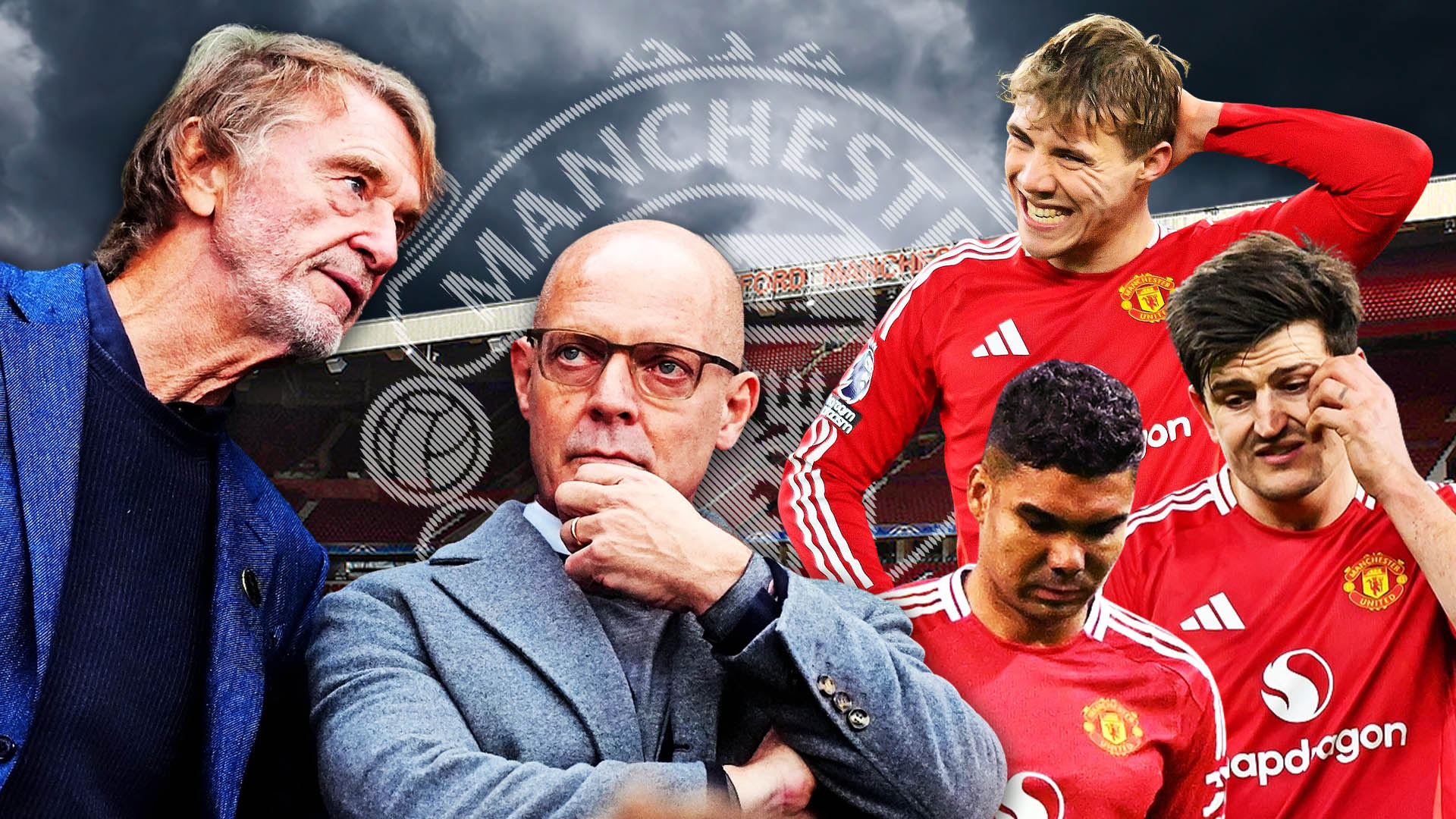
Sir Jim Ratcliffe’s Cost-Cutting Measures at Manchester United
Since taking over Manchester United a year ago, Sir Jim Ratcliffe has been implementing various cost-cutting measures to address the club’s financial woes. The latest move involves reducing the lunch options for all but the first-team players, which now consists of soup and sandwiches. This austerity extends to coaches and analysts as well, reflecting the club’s broader financial strategy. The Ineos chairman, known for his ruthless efficiency, is determined to streamline operations and cut costs wherever possible. However, the effectiveness of these measures is questionable, especially given the club’s recent poor performance and financial burden.
Financial Overhang and Transfer Debacle
One of the most significant challenges Ratcliffe faces is the staggering near-£500 million transfer outlay on the current squad. The club’s roster is filled with players who are either past their prime or failing to meet expectations. Casemiro, for instance, is a 33-year-old midfielder who, despite his illustrious past with Real Madrid, now looks like a shadow of his former self. At £350,000 a week, he is an expensive liability with no takers in the market. Similarly, Rasmus Hojlund, a £64 million striker, has not scored in his last 16 appearances and appears out of his depth. The club’s financial constraints exacerbate the problem, as it is nearly impossible to offload these high-salary players.
Decline in Performance and Morale
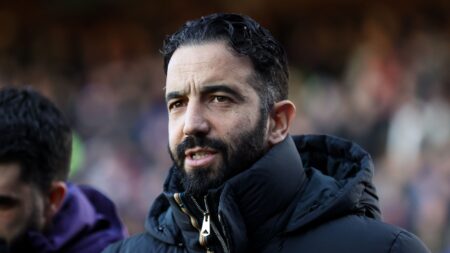
The decline in performance has been steep since Ratcliffe took charge. Manager Ruben Amorim has even declared that he is in charge of “the worst” team in United’s history. The recent 2-2 draw against Everton, where United had to come back from a two-goal deficit, is a case in point. The team’s performance was described as "embarrassing" by Rio Ferdinand, and the late penalty controversy only added to the frustration. The defense, particularly Harry Maguire and Matthijs de Ligt, was at fault for key moments, and the midfield struggled to gain control. Despite Bruno Fernandes and Manuel Ugarte’s late heroics, the overall performance was lackluster and underscored the team’s deeper issues.
The FA Youth Cup and Financial Savings
In a bid to cut costs, the club has also made changes to its youth development program. The FA Youth Cup quarter-final against Chelsea, which United won 5-1, was moved from Old Trafford to Leigh Sports Village, saving the club £8,000. This decision reflects a broader strategy to reduce expenses, even in areas traditionally associated with the club’s heritage and prestige. While the victory was a bright spot, it also highlights the financial pressures the club is under and the sacrifices being made.
The Cuts That Can’t Be Made
Despite Ratcliffe’s efforts, there are significant obstacles to his plans. Players like Casemiro and Hojlund, with their exorbitant salaries, are difficult to move on. Casemiro, who has declared his intention to stay until his contract ends, is a prime example. His weekly wages and recent poor form make him a financial burden, but no club is willing to take on such a liability. Similarly, Hojlund’s transfer fee and lack of impact on the field make him an unwanted asset. The club’s financial constraints and the players’ contractual obligations create a complex and challenging situation for Ratcliffe and his team.
The Road Ahead and Identity Crisis
The future of Manchester United under Ratcliffe’s leadership is uncertain. The club faces a severe identity crisis, with a squad that is both expensive and underperforming. The debt of £1 billion and the lack of a clear Plan B add to the pressure. In contrast, rivals like Everton are poised for growth with a new stadium and financial backing. The irony of David Moyes, once sacked by United, leading a resurgent Everton team is not lost on anyone. Ratcliffe must find a way to navigate these challenges and rebuild the club, both on and off the pitch. The coming months will be crucial in determining whether his vision for Manchester United can be realized.