
Sir Jim Ratcliffe’s Bold Move into Manchester United
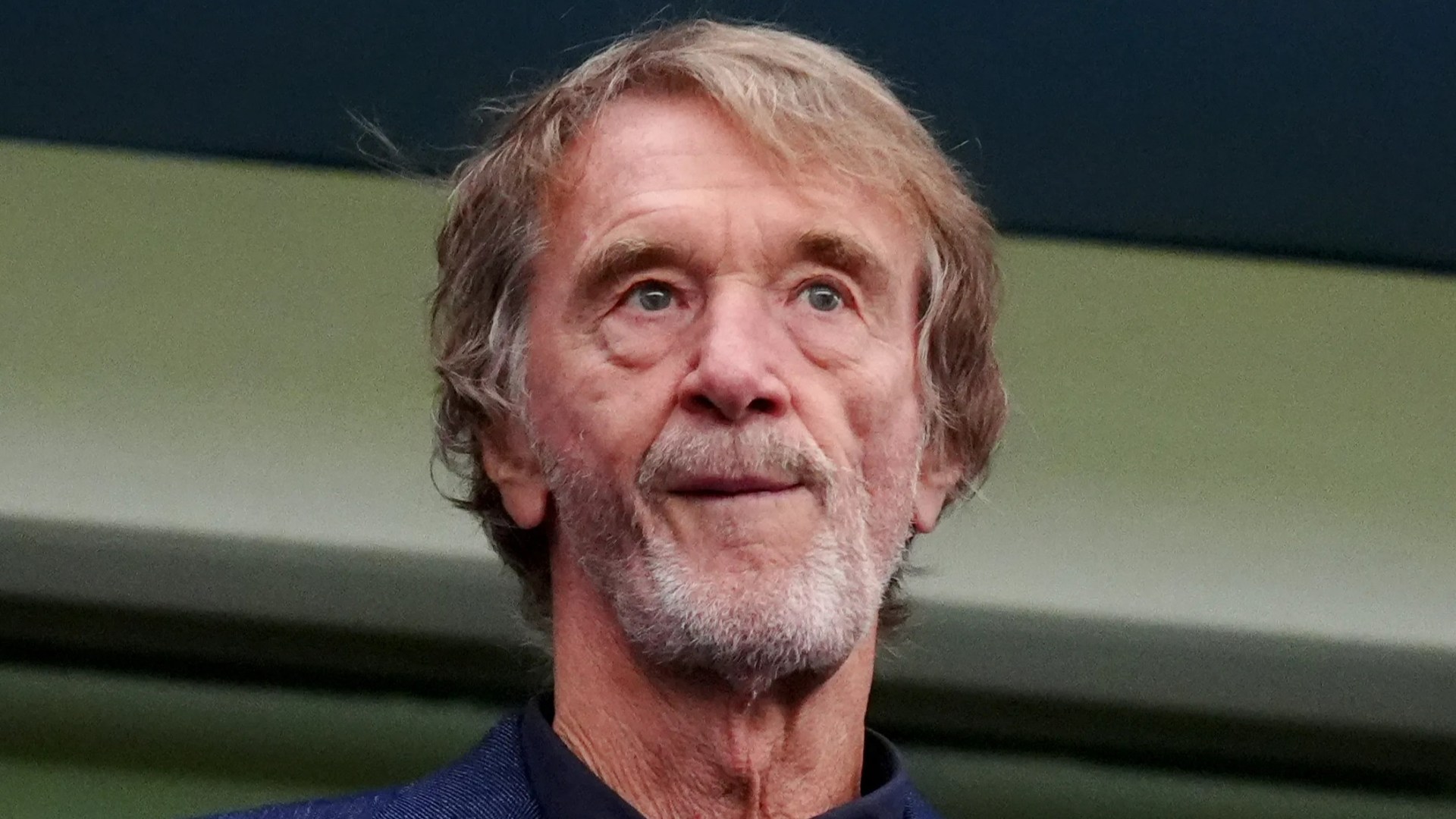
In a dramatic turn of events that has sparked both hope and controversy, Sir Jim Ratcliffe’s Ineos completed its £1.03 billion acquisition of a minority stake in Manchester United on February 20, 2024. Ratcliffe, a self-proclaimed lifelong fan of the club, initially won the cautious optimism of supporters, who hoped that his business acumen and deep pockets would steer the beleaguered club back to glory. However, the reality of his leadership has been far more complex and contentious. Ratcliffe, alongside his trusted ally Sir Dave Brailsford, has embarked on a ruthless cost-cutting campaign that has sent shockwaves through the organization. While the intention may be to streamline operations and restore financial health, the measures have not been without significant consequences.
The First Round of Cuts
Just months after the acquisition, Ratcliffe’s cost-cutting strategy became evident. Last summer, the club made the difficult decision to lay off 250 staff members, a move that saved an estimated £35 million. The layoffs affected various departments, from administrative roles to lower-level coaching positions, and were met with a mix of relief and trepidation by those who remained. While some saw the cuts as a necessary step to address the club’s financial woes, others feared that it marked the beginning of a more severe austerity program. The layoffs were followed by a report suggesting that up to 200 more jobs could be at risk in the coming months, further intensifying the atmosphere of uncertainty.
Mid-Season Ticket Price Hikes
Adding to the controversy, Manchester United took the unusual and highly controversial step of raising ticket prices mid-season. The minimum price for a match ticket was increased to £66, with no concessions available. This decision was met with outrage from fans, many of whom already felt the pinch of rising living costs. The club’s decision to hike prices during an ongoing season, rather than at the start of a new one, further exacerbated the sense of disenchantment. Fans expressed fears that this was just the beginning, with the possibility of even higher prices looming for the next season. The move not only strained relationships with the fanbase but also raised questions about the club’s priorities and its commitment to maintaining a connection with its loyal supporters.
The Micro-Management of Everyday Costs
The cost-cutting measures have extended far beyond high-level strategic decisions, delving into the minutiae of day-to-day operations. According to a recent report by the Telegraph, Ineos has implemented a "zero-based budgeting" approach, where every purchase, no matter how small, is scrutinized. This has led to staff members being required to count cartons of screws individually to ensure they do not over-order, and even mundane items like Sellotape have not been spared. A significant order of stationery was returned after being deemed unnecessary, and in the canteen, portion sizes have been noticeably reduced, with vegetable orders closely monitored. All payments above £25,000 now require sign-off from ownership, while CEO Omar Berrada can approve payments below that threshold. The level of detail and control is unprecedented, reflecting Ratcliffe’s commitment to squeezing every last penny from the club’s budget.
The Human Impact
While these measures may contribute to the club’s financial stability, they have had a profound impact on the morale of the staff. The removal of company credit cards, for instance, has added a layer of inconvenience, with staff now required to pay for expenses such as travel out of their own pockets before seeking reimbursement. The push for a paperless system, while environmentally sound, has also led to a scarcity of envelopes and stamps, with even the steward of the week prize being reduced to a paper certificate instead of a £50 cash award. These changes, while seemingly minor, have a cumulative effect, creating a sense of austerity and pushing the club’s culture in a direction that some find unfamiliar and unwelcoming.
The Future of Manchester United
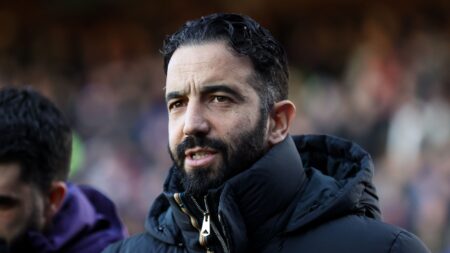
Despite the cost-cutting measures, Ratcliffe and his team are not neglecting the club’s long-term vision. They have ambitious plans for a potential £2 billion new stadium with a 100,000 capacity, which could redefine Manchester United’s place in the global football landscape. However, the success of these plans will depend on the club’s ability to balance financial prudence with the need to maintain a competitive edge on the pitch. The recent high-profile departures and signings, such as the costly exit of Dan Ashworth after just five months and the replacement of Erik ten Hag with Ruben Amorim, highlight the challenges of managing a high-stakes football club. These decisions, while necessary, come with significant financial repercussions, and the club will need to be careful to avoid making costly mistakes in the future. As Manchester United navigates this period of transition, the coming months will be crucial in determining whether Ratcliffe’s vision can deliver the results that fans and stakeholders are hoping for.