

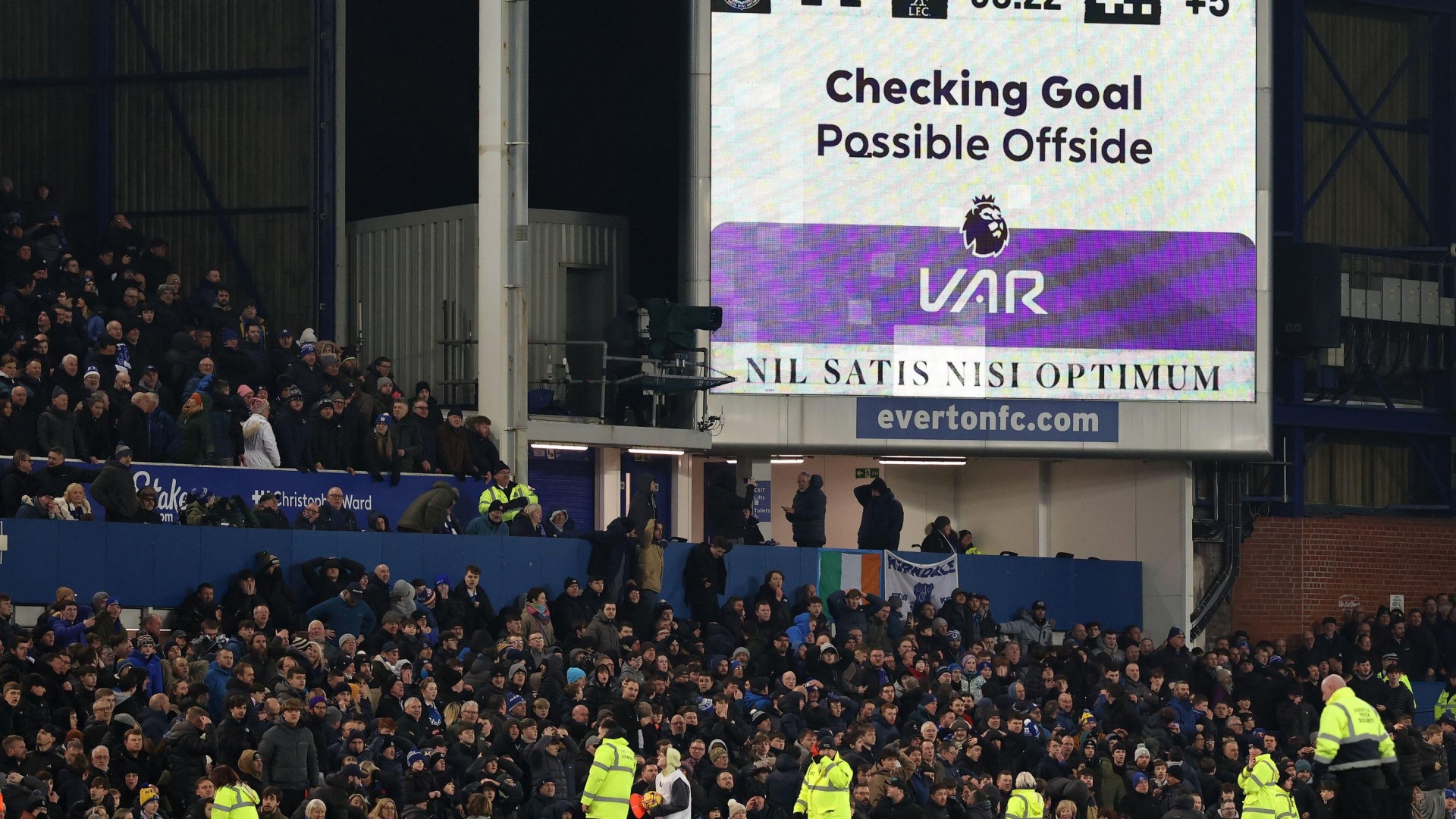
Football Without VAR: A Breath of Fresh Air
In the world of football, life without Video Assistant Referee (VAR) is not just bearable; it is increasingly becoming a reasonable proposition. The evidence from the recent FA Cup matches is compelling. One incident in particular from Newcastle’s FA Cup win at League One Birmingham highlights this point. When Birmingham goalkeeper Bailey Peacock-Farrell beat away a shot from Newcastle’s Joe Willock, it was initially unclear if the ball had crossed the goal-line. The linesman flagged, and referee Matt Donohue decided it was a goal. Willock’s equalizer helped his side win the match 3-2.
The Case for Simplicity
Imagine how this scenario would have played out with VAR. Referee Donohue would have had to ask for a ruling on a very tight decision, leading to a delay while set-squares and microscopes were metaphorically brought into play. The verdict would have eventually been reached, but the magic of the moment would have been lost. The speed of the ref’s reaction and the assistant’s swift and almost certainly correct verdict were far more satisfying. This instance demonstrates that sometimes, the simplicity and speed of a human decision are preferable to the technological delays and debates that VAR introduces.
The Endless Squabble Between Perfection and Reality
It used to be that in the Premier League, play continued regardless of such tight decisions. However, the endless squabble between perfectionists and realists has led to the adoption of VAR. While the technology can provide quick and correct answers—such as whether a goal-line has been crossed—it also introduces constant interruptions. The dream of a referee pressing a button for an instant AI verdict is still far off, and until that day, we must contend with the current system. For now, we can be pleased that the FA has, for a while, chosen to adhere to the human touch, allowing VAR to gather dust. The EFL, however, is quickly catching up, promising to implement VAR in more matches.
The Pluses and Minuses of Technology
There are undeniable pluses to VAR, such as the speed and precision of offside verdicts. Linesmen are good judges, but they can struggle with decisions that require pinpoint accuracy, such as the length of a foot or elbow. VAR excels here, providing quick and reliable rulings. However, the same cannot be said for free-kicks, yellow cards, or red cards. These decisions can be lengthy and often dubious. VAR itself does not make corrections; it merely assists referees in making theirs. The methodology is sound, but perfection remains elusive. VAR has become the Japanese knotweed of football—once present, it is difficult to eradicate.
The Human Factor and the Blame Game
Football was successful for over a century before VAR. Referees in those days were held responsible for decisions, whether they favored one team or another. Despite VAR’s introduction, referees remain the focus of the blame game. They are still seen as the source of errors, and offensive shouting among fans has not diminished. The idea that VAR would rectify all errors and improve fan behavior has not materialized. In many ways, it has only added to the controversy and frustration.
A Compromise Solution
Given the mixed success of VAR, a compromise seems necessary. Technology works well for line decisions, such as goal-line and offside calls, but it is slow and almost as faulty when it comes to fouls and cards. Referees take only a fraction of the time to make these decisions, and it is easier to forgive a wrong decision made by genuine human error than one made by a machine. Trusting the referee to make these calls quickly and efficiently, while using technology for the more precise and critical decisions, could be the way forward. Football without total VAR is not only bearable but could also enhance the game’s flow and spirit.