
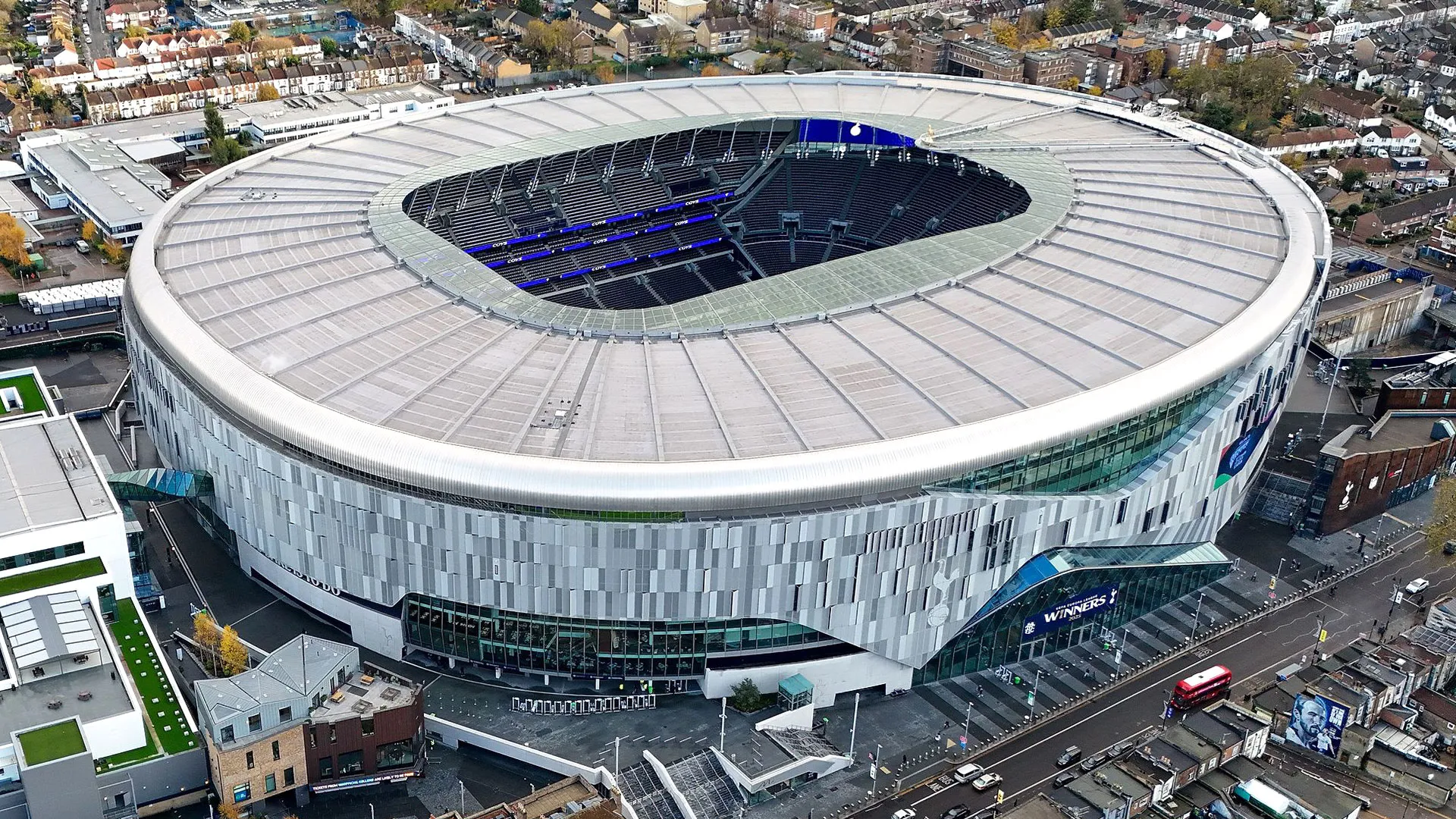
Tottenham’s Quest for Stadium Naming Rights
Tottenham Hotspur, one of the most storied clubs in English football, is embarking on a new chapter in its history. Six years after the grand opening of their state-of-the-art £1 billion stadium, the club is finally making a concerted effort to secure naming rights for the venue. This initiative comes after years of criticism directed at former chairman Daniel Levy, who was blamed for his inability to clinch a deal despite the stadium’s world-class amenities and prime location in north London.
A New Era with the Lewis Family
The Lewis family, who took full control of Tottenham Hotspur from Levy in September, has made securing naming rights a top priority. This move underscores their commitment to maximizing the club’s financial potential and enhancing its global brand. The new ownership has already made significant strides by appointing Alex Scotcher, a seasoned professional in the sports and entertainment industry, as the club’s new commercial director. Scotcher’s background and expertise make him an ideal candidate to spearhead this critical task.
Alex Scotcher: A Proven Track Record
Alex Scotcher brings a wealth of experience to his new role at Tottenham. Prior to joining the club, he served as the senior vice-president of global partnerships at Elevate, a leading sports and entertainment consultancy. During his tenure, Scotcher was notably involved in securing a decade-long, £10 million-a-year naming rights deal for Everton’s Hill Dickinson Stadium. This agreement, which he described as a “fully programmed 365 sports and entertainment destination,” highlights his ability to think beyond traditional football branding and attract a diverse range of commercial partners.
The Commercial Strategy
Scotcher’s approach to securing naming rights for Tottenham Hotspur Stadium is likely to be multifaceted. He has emphasized the importance of positioning the stadium as more than just a football venue. By highlighting the stadium’s potential as a hub for sports, entertainment, and community events, Scotcher aims to broaden the appeal to potential sponsors. This strategy mirrors his success with the Hill Dickinson Stadium, where he negotiated deals that went beyond the typical football-centric partnerships.
The Financial Implications
The failure to secure naming rights during Levy’s tenure has cost Tottenham Hotspur an estimated £60 million in lost revenue. This financial shortfall has undoubtedly put pressure on the new management to act swiftly. Levy’s ambitious target of a 15-year commitment worth £25 million per year may have been too high for potential partners, leading to the prolonged absence of a sponsor. Scotcher’s task, therefore, is not only to secure a deal but to ensure it aligns with the club’s long-term financial goals and brand vision.
Current Performance and Future Prospects
As Tottenham Hotspur currently sits 11th in the Premier League table with 19 points from 14 games, the club is facing a challenging season on the pitch. However, the appointment of Scotcher and the renewed focus on securing naming rights signal a positive shift off the field. With the Lewis family at the helm and a dedicated team working to enhance the club’s commercial value, Tottenham Hotspur is well-positioned to capitalize on its world-class facilities and global fan base. The coming months will be crucial as the club looks to close the gap in the league and solidify its financial future through strategic partnerships and commercial initiatives.