

The 2026 FIFA World Cup: A New Era in Global Soccer
The 2026 FIFA World Cup marks a historic milestone in the world of soccer, not only because it is the largest edition of the tournament to date but also due to its unprecedented format and the unique collaboration of three hosting nations. For the first time, 48 teams will compete, significantly expanding the tournament’s scope and inclusivity. This change from the traditional 32-team model, which has been in place since France 1998, was met with enthusiasm and a sense of promise when the combined North American bid by the United States, Canada, and Mexico was presented to FIFA delegates. The three sports-loving nations provided ample capacity with 16 host stadiums, though some notable cities and venues were ultimately left off the final list.
Host Cities of the 2026 World Cup
The majority of matches in the 2026 World Cup will take place in the United States, which is hosting the event for the first time since 1994. The U.S. host cities are a diverse mix of metropolitan areas, each with its own unique character and sports culture. New York/New Jersey (East Rutherford), Dallas (Arlington), Houston, Kansas City, Atlanta, Los Angeles (Inglewood), Philadelphia, Seattle, San Francisco (Santa Clara), Boston (Foxborough), and Miami (Miami Gardens) will collectively contribute to the tournament’s success. These cities are not only known for their passionate fan bases but also for their state-of-the-art stadiums and facilities, ensuring a world-class experience for players and spectators alike.
Mexico and Canada: Returning and New Hosts
Mexico, having hosted the World Cup twice as a sole host in 1970 and 1986, will once again play a significant role in the 2026 edition. The cities of Mexico City, Monterrey, and Guadalajara will stage matches, drawing on their rich soccer history and enthusiastic fan bases. Mexico City’s iconic Estadio Azteca, with a capacity of 87,523, will be a key venue, hosting several important matches including a round of 32 and a round of 16 game. This will be the first time any World Cup matches have taken place in Canada, with Vancouver and Toronto proudly stepping into the spotlight. BC Place in Vancouver and BMO Field in Toronto will host a total of 12 matches, including both round of 32 and round of 16 games.
Venues and Their Capacities
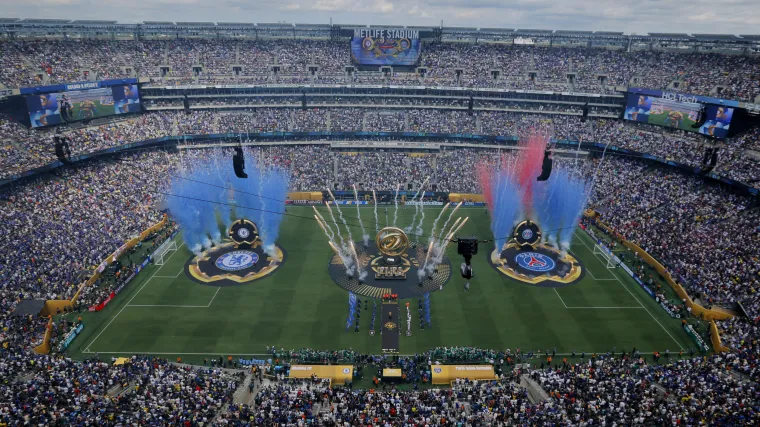
The 16 host stadiums for the 2026 World Cup are a testament to the combined efforts and resources of the three countries. Each venue offers a unique setting and experience, from the expansive MetLife Stadium in East Rutherford, New Jersey, to the historic Estadio Azteca in Mexico City. Here is a breakdown of the key venues:
- BC Place (Vancouver, Canada): 54,000 capacity, hosting five group matches and one round of 32 game.
- BMO Field (Toronto, Canada): 45,500 capacity, hosting five group matches, one round of 32 game, and one round of 16 game.
- Estadio Azteca (Mexico City, Mexico): 87,523 capacity, hosting three group matches, one round of 32 game, and one round of 16 game.
- MetLife Stadium (East Rutherford, NJ, USA): 82,500 capacity, hosting five group matches, one round of 32 game, one round of 16 game, and the final.
- AT&T Stadium (Arlington, TX, USA): 80,000 capacity, hosting five group matches, two round of 32 games, one round of 16 game, and one semifinal.
- SoFi Stadium (Inglewood, CA, USA): 70,240 capacity, hosting five group matches, two round of 32 games, and one quarterfinal.
Cities Missing Out on Hosting Games
The selection process for the 2026 World Cup host cities was rigorous and competitive. Initially, the United Bid Committee submitted a list of 49 stadiums from 44 metropolitan areas across the three countries. However, this list was significantly reduced through a series of voluntary withdrawals and rejections. Five venues opted against submitting a bid, while seven were excluded in the final list in June 2022. Notable among the excluded venues is the Rose Bowl in Pasadena, California, which hosted the 1994 World Cup final. Despite its historical significance, the Rose Bowl did not make the cut, along with other iconic venues like the Alamodome in San Antonio and the Nissan Stadium in Nashville.
A Landmark Event and Its Impact
The 2026 FIFA World Cup is more than just a sporting event; it is a cultural and social phenomenon that will leave a lasting impact on the three host nations and the global soccer community. The expanded format and the involvement of three countries will not only increase the tournament’s reach but also promote diversity and inclusion on a global scale. The preparation and hosting of this event will spur economic growth, infrastructure development, and a heightened sense of national pride. As the world looks forward to this landmark event, the excitement and anticipation are palpable, promising a tournament that will be remembered for generations to come.