
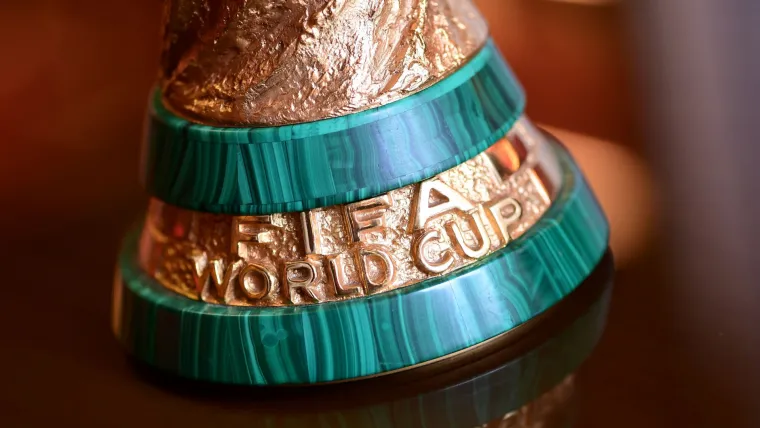
The 2026 FIFA World Cup: A Historic Milestone in Football
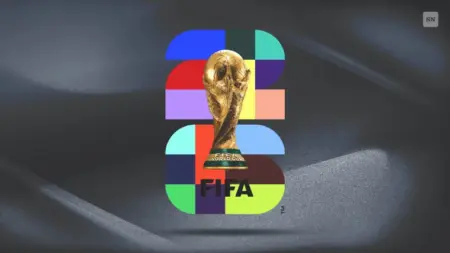
The 2026 FIFA World Cup is poised to be the most ambitious and anticipated football tournament in history, marking a significant expansion and a unique hosting arrangement. Set to be the first World Cup to feature 48 teams, this tournament will bring unprecedented excitement and competition across North America. The United States, Canada, and Mexico will share the honor of hosting this global spectacle, making it only the second World Cup to be jointly hosted by multiple countries. This collaboration highlights the growing importance of international cooperation in sports and the unifying power of football.
A Brief History of the FIFA World Cup
The FIFA World Cup, the pinnacle of international football, has been held every four years since 1930, with the exception of an eight-year hiatus during World War II. Winning the World Cup is the ultimate goal for any international footballer, symbolizing the highest achievement in their career. The tournament’s rich history has seen legendary moments and the emergence of football’s greatest stars. With the expansion to 48 teams, the 2026 edition will be even more inclusive and competitive, offering a platform for more nations to showcase their talent and passion for the sport.
The Expanded Field: A New Chapter in World Cup History
Starting in 2026, the World Cup will see an unprecedented 48 teams compete for the coveted trophy. This expansion from the previous 32 teams, which has been the standard since 1998, will create a more diverse and exciting tournament. The increased number of participants will allow more countries to experience the thrill of the World Cup, fostering a broader global community of football enthusiasts. Teams from various confederations, including CONCACAF, AFC, CAF, CONMEBOL, OFC, and UEFA, will vie for a place in this historic event, ensuring a rich tapestry of footballing traditions and styles.
The Tournament Format: Group Stage and Knockout Phase
The 2026 FIFA World Cup will follow a two-phase format: the group stage and the knockout stage. All 48 teams will be divided into 12 groups of four, where they will play a round-robin format. Each team will face the other three teams in their group, earning three points for a win and one for a draw. The top 32 teams will advance to the knockout stage, comprising the group winners and runners-up, as well as the top eight third-place finishers based on a predefined set of criteria. This structure ensures a balanced and fair competition, with every team having a realistic chance to advance and compete for the title.
The World Cup Draw: Ensuring Competitive Balance
The 2026 FIFA World Cup draw is a critical event that sets the stage for the tournament. Teams will be placed in four pots based on their FIFA rankings, and a computer will allocate each team to a group while considering geographical restrictions to avoid conflicts. An additional constraint ensures that the top four ranked teams (Spain, England, Argentina, and France) are evenly distributed across the knockout bracket. This innovative approach aims to create a balanced and competitive knockout stage, reducing the likelihood of early matchups between the strongest teams and increasing the excitement and unpredictability of the tournament.
Key Dates and Venues: The Road to MetLife Stadium
The 2026 FIFA World Cup will kick off on June 11, 2026, returning to its traditional summer slot after the unusual winter schedule of the 2022 World Cup in Qatar. The tournament will culminate in the final on July 19, 2026, at MetLife Stadium in East Rutherford, New Jersey. The month-long tournament will feature a series of exciting matches, with the group stage running from June 11 to June 27, followed by the knockout stage from June 28 to July 19. Fans from around the world will converge on North America to witness the thrilling matches and celebrate the global spirit of football. The 2026 World Cup promises to be a historic and unforgettable event, setting a new standard for international football tournaments.