
Preparing for the 2026 World Cup Draw
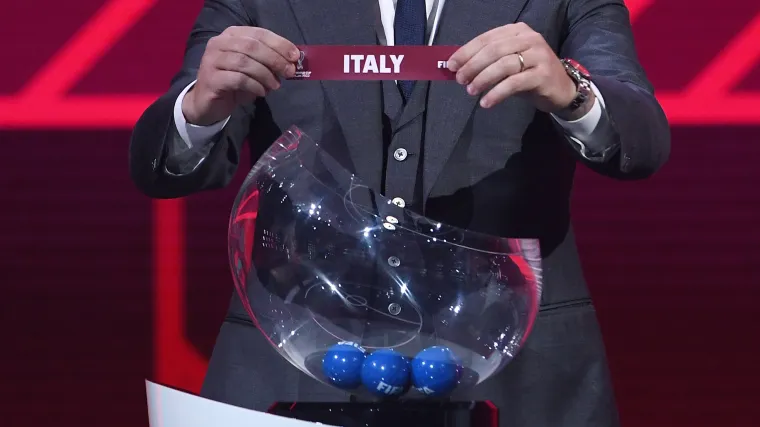
As the excitement for the 2026 World Cup builds, fans around the globe are eagerly anticipating the draw that will determine their teams’ paths to glory. Scheduled to take place on December 5 at the historic Kennedy Center in Washington, D.C., the draw will allocate the 48 participating teams into their respective groups. This event is a pivotal moment, as it not only sets the stage for the tournament but also provides fans with the opportunity to speculate on potential matchups and dream about their team’s journey to the title. The draw is expected to be a thrilling and suspenseful event, and the possibilities it presents are endless.
The Teams and Pots for the 2026 World Cup Draw
The three host nations—USA, Mexico, and Canada—have been automatically placed in Pot 1, along with the nine highest-ranking qualifiers based on the latest FIFA rankings. The remaining pots are filled based on FIFA rankings, from the highest to the lowest. Notably, the winners of the six playoff paths—three UEFA and three intercontinental—will be placed in Pot 4. This placement can lead to some intriguing and potentially challenging group compositions, as teams like Italy, Denmark, and Turkey, which are strong contenders in the playoffs, could end up in the same group with some of the world’s top teams.
Analyzing the Toughest and Softest Options
FIFA’s decision to place all playoff winners in Pot 4 has generated significant buzz, as it introduces the possibility of a “Group of Death.” For teams in Pot 1, avoiding the likes of Italy, Denmark, or Turkey in Pot 4 would be a significant relief. However, even within each pot, there are teams that are more formidable than others. For instance, in Pot 1, teams like Spain, Argentina, and France are considered tougher opponents compared to Brazil and Belgium. Similarly, in Pot 2, Croatia and Uruguay are seen as more challenging than Austria and Senegal. In Pot 3, Norway, Egypt, and Algeria are tougher nuts to crack compared to Qatar and Paraguay. The softest options in Pot 4 include Curacao, Jordan, and Haiti, while Ghana and the UEFA qualifiers present a more significant threat.
Potential “Group of Death” Scenarios
The draw’s structure increases the likelihood of creating a “Group of Death,” where multiple strong teams are grouped together, making it incredibly difficult for any team to advance. For example, a group could include Spain (Pot 1), Colombia (Pot 2), Egypt (Pot 3), and Italy (a potential UEFA qualifier in Pot 4). Another scenario could see England (Pot 1), Uruguay (Pot 2), Ivory Coast (Pot 3), and a UEFA qualifier (likely Poland) in the same group. These combinations would be nightmares for the teams involved, as they would have to face the highest level of competition right from the start.
The Teams Still in the Running for the 2026 World Cup
The final six spots for the 2026 World Cup will be determined through the playoffs. The UEFA playoff qualifiers are divided into four paths, with each path consisting of two semifinal matches and a final. Teams like Italy, Wales, Bosnia-Herzegovina, Ukraine, Sweden, Poland, Albania, Turkey, Romania, Slovakia, Kosovo, and others are vying for these spots. Similarly, the intercontinental playoff qualifiers feature teams such as New Caledonia, Jamaica, DR Congo, Bolivia, Suriname, and Iraq. These playoffs will take place in March 2026, and the winners will secure their places in the World Cup, adding a layer of excitement and anticipation to the draw.
The Anticipation and Excitement Ahead of the Draw
The 2026 World Cup draw is more than just a procedural step; it is a moment of high drama and intense emotion for fans, players, and coaches alike. The anticipation leading up to the event is palpable, as everyone speculates on the potential matchups and the impact they could have on the tournament. The draw will set the tone for the World Cup, and the outcomes will be discussed and analyzed for months to come. As the three host nations gear up to welcome the world’s best teams, the draw serves as a reminder of the excitement and unity that the World Cup brings to people from all corners of the globe.