

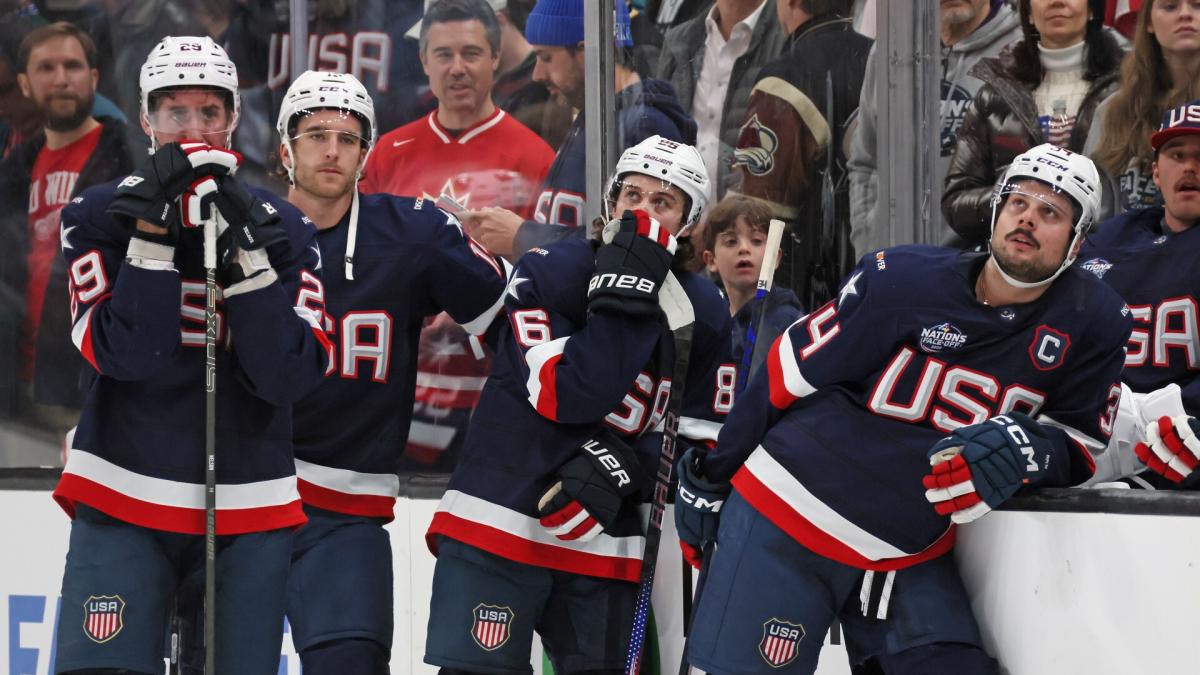
A Record-Breaking Event
The final game of the 4 Nations Face-Off, a thrilling matchup between the United States and Canada, was a resounding success, drawing an average audience of 9.3 million viewers. This impressive viewership surpassed any NHL game in the United States, making it a landmark event in the sport’s history. The competition, which also featured Sweden and Finland, captivated fans with its high-stakes drama and world-class talent, proving that international hockey has the potential to attract a massive audience. The combination of national pride and the skills of top-tier players created an electrifying atmosphere that resonated with viewers across the country.
The NHL’s New Challenge
The challenge now for the NHL is to capitalize on this newfound interest and channel it back into the regular season and the postseason. The league has always struggled with maintaining consistent viewership outside of its marquee events, and this success provides a clear opportunity to re-evaluate its approach. One of the most obvious strategies would be to make the 4 Nations Face-Off an annual event, building on the momentum and expanding the fanbase. The league could also consider increasing the number of participating teams, perhaps to eight or more, to create a more extensive and engaging tournament. If these games can consistently outperform regular NHL matches, it would be a strategic move to prioritize them and potentially even shrink the regular season to make room for more such international competitions.
Expanding the Profile of Hockey
The potential benefits of expanding the 4 Nations Face-Off are numerous. First and foremost, it would enhance the profile of hockey as a global sport, drawing attention from a broader audience and potentially attracting new fans. The event’s success also highlights the importance of high-stakes, competitive matches that showcase the best players from different countries. This kind of competition adds a layer of excitement and unpredictability that can be missing from regular season games, where teams may not always bring their A-game due to fatigue or other factors. By making these international events a regular part of the hockey calendar, the NHL can ensure that fans have more opportunities to see the sport at its highest level, thereby increasing interest and engagement.
Opportunities for Other Sports
The success of the 4 Nations Face-Off also presents an interesting opportunity for other major sports leagues, such as the NBA and MLB. These leagues could benefit from creating their own in-season international competitions to boost interest and viewership. For example, the NBA could organize a global tournament featuring top teams from various countries, while MLB could consider a similar event with teams from the United States, Japan, and other baseball-heavy nations. The key is to create a format that is both competitive and exciting, drawing in fans who might not typically follow the sport as closely.
The NFL’s Unique Challenges
However, the NFL faces a unique set of challenges that make such an international event almost impossible. The NFL season is already grueling and condensed, with teams playing weekly games and the importance of each match being paramount. Adding an international competition would likely disrupt the regular season schedule and could exacerbate player fatigue and injury risks. Furthermore, the NFL’s popularity is deeply rooted in the regular season and the Super Bowl, which are already widely watched and celebrated events. The league would need to find a way to integrate international games without undermining its existing format and appeal.
A Timely Triumph
Despite the NFL’s dominance in the post-Super Bowl period, the NHL managed to fill the void with a significant win. Less than two weeks after the Super Bowl, when many sports fans are left searching for new content, the 4 Nations Face-Off provided a much-needed excitement boost. The success of the event was too big for hockey to ignore, and it serves as a clear indicator that the sport has the potential to attract a larger audience with the right format and promotion. As the NHL looks to the future, the lessons learned from this event should be carefully considered, with the goal of making hockey a more prominent and engaging sport for fans around the world.