

Columbus Blue Jackets: A Season of Challenges
The Columbus Blue Jackets have had a remarkable season, marked by both tragedy and resilience. Losing Johnny Gaudreau, their star winger, was a significant blow, and the subsequent coaching and management turnover added to their trials. Despite these setbacks, the Blue Jackets managed to secure a wild-card playoff berth in the Eastern Conference. However, their approach at the 2025 trade deadline was rather conservative. GM Don Waddell opted to add center Luke Kunin from the San Jose Sharks, a move that, while potentially beneficial, doesn’t seem to address the major needs of the team. With millions in cap space available, the decision to stand pat might be seen as a missed opportunity. If Columbus narrowly misses the playoffs, it will be a disappointing end to a season filled with adversity and potential. The Blue Jackets are playing with house money, but fans and analysts alike will be watching closely to see if Waddell’s cautious strategy pays off in the long run.
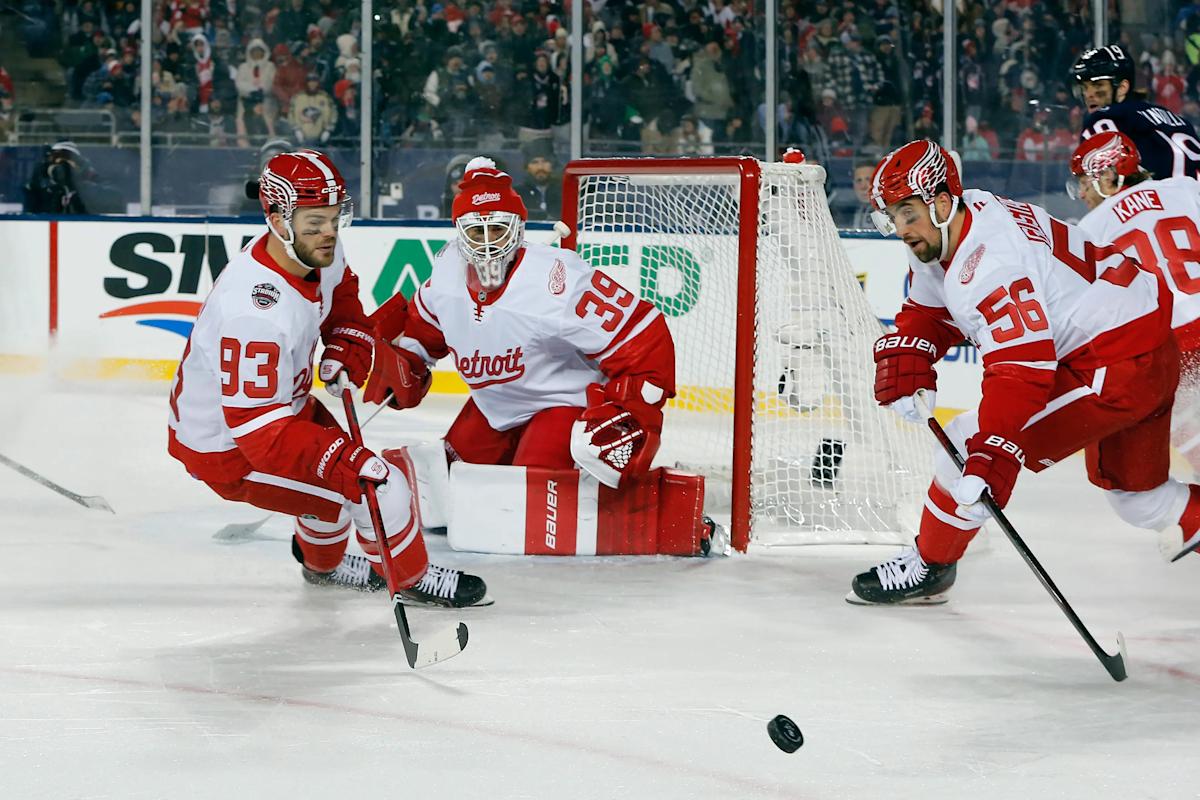
Detroit Red Wings: An Uphill Battle
The Detroit Red Wings find themselves in a precarious position as the 2025 season draws to a close. Their recent 3-6-1 record in the past 10 games has pushed them further down the Eastern Conference standings, with four teams now ahead of them in the race for the wild-card berths. GM Steve Yzerman’s decision to acquire journeyman goaltender Petr Mrazek and center Craig Smith from the Chicago Blackhawks has raised eyebrows, particularly given the team’s struggles. Mrazek, who has a year remaining on his contract at $4.25 million, and Smith, while experienced, do not seem to be the kind of impactful additions that could turn the team’s fortunes around. The Red Wings’ lax approach to roster improvement could prove disastrous. If they fail to make the playoffs, Yzerman will face significant criticism for his lack of proactive moves. Fans are counting on the team to rally, but the odds are increasingly stacked against them.
Minnesota Wild: Late Season Slump
The Minnesota Wild have a familiar story to tell this season—a late-season slump that has seen them drop from a top-three position in the Central Division to the first wild-card spot in the Western Conference. Their 5-5-0 record in the past 10 games has been a cause for concern, and GM Bill Guerin’s decision to pick up winger Justin Brazeau from Boston at the trade deadline seems inadequate. While the Wild still have a good chance of making the playoffs, the other three teams at the top of the Central Division have surged ahead. Minnesota’s limited cap space is often cited as a reason for their lack of significant moves, but other cap-strapped teams managed to make deals that improved their positions. Wild fans, who have supported the team through thick and thin, deserve more than a team that barely squeaks into the playoffs. If the Wild fail to mount a season-ending win streak, the disappointment will be palpable.
St. Louis Blues: Status Quo Continues
The St. Louis Blues are teetering on the edge of playoff contention in the Western Conference, just one standings point behind Calgary for the second and final wild-card berth. GM Doug Armstrong’s inactivity at the 2025 trade deadline is puzzling, especially considering the Blues’ need to solidify their roster. While captain Brayden Schenn and defenseman Colton Parayko were valuable assets that could have garnered significant returns, Armstrong chose to hold onto them. This decision could be costly, as St. Louis faces a tough road to securing a playoff spot, with Vancouver also vying for the same position. If the Blues fail to make the playoffs, they risk falling into the "mushy middle"—not good enough to qualify for the post-season but not bad enough to secure a top draft pick. The lack of substantial moves at the deadline will likely be a sore point for St. Louis fans, who are eager to see their team compete at a higher level.
Utah Hockey Club: Another Year of Missed Opportunities
The Utah Hockey Club, once again, finds itself on the outside of the playoff picture looking in. GM Bill Armstrong chose inactivity at the 2025 trade deadline, apart from a move to alleviate the financial burden of Shea Weber’s contract. Utah is only a few points away from a wild-card spot, but the club’s history of falling short makes optimism difficult. Despite having ample cap space, Armstrong’s reluctance to make bold moves is a recurring theme. If Utah fails to make the playoffs, it will be another long off-season filled with regret and dismay. Fans and analysts alike will be expecting more aggressive action to turn the tide, and the organization will feel the pressure to deliver a more competitive team in the future.
Looking Ahead: The Impact of Conservative Moves
The decisions made at the 2025 trade deadline will have lasting repercussions for these bubble teams. For Columbus, Detroit, Minnesota, St. Louis, and Utah, the conservative approach to trades could either be a stroke of genius or a missed opportunity. In the high-stakes world of the NHL, where every point can make the difference between playoff glory and a disappointing end to the season, these teams’ fates are now largely in their own hands. The coming weeks will be crucial for each club, and the pressure is on their management and players to perform. Fans of these teams are hopeful, yet wary, as they watch their beloved franchises navigate the remainder of the regular season. The hockey community will be closely following these teams, eager to see how their cautious strategies play out.