
The Declining Luster of the NHL All-Star Game
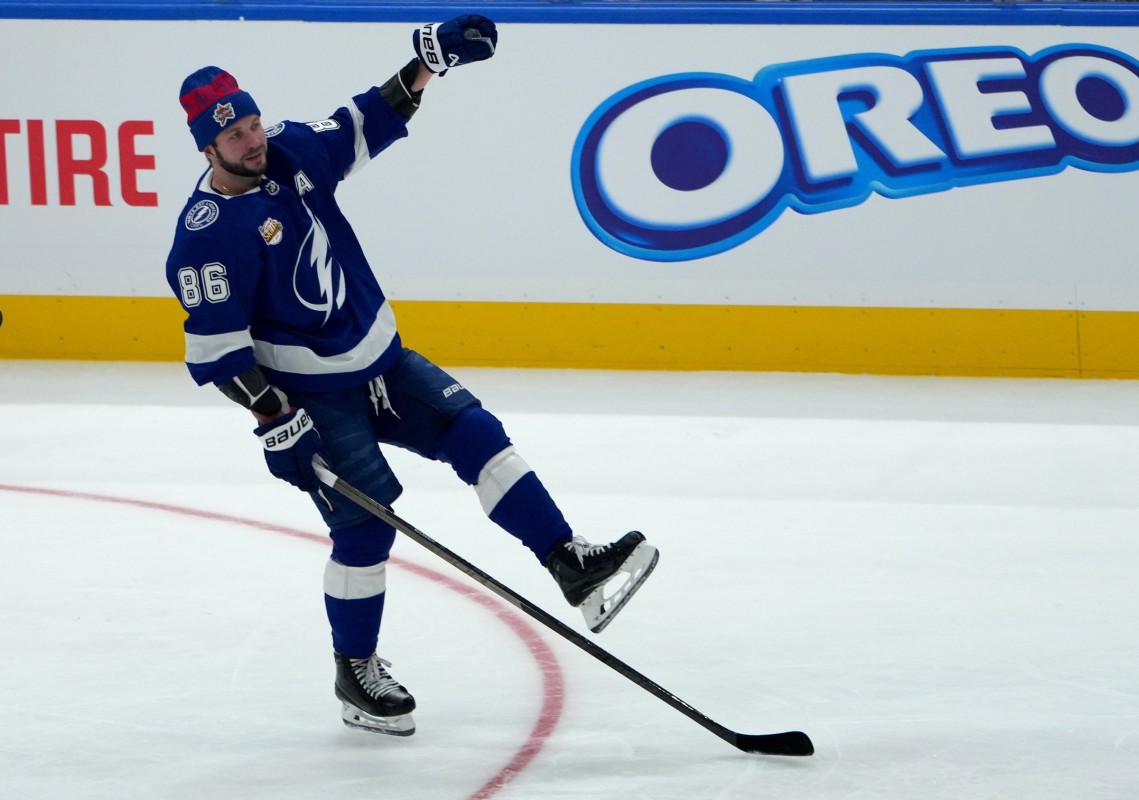
In the late 1970s and early 1980s, the NHL All-Star Game was a must-see event. For many fans, it offered a rare glimpse into the talents of players from different conferences, as satellite TV was not yet available. The allure of seeing dream teams come together, such as Wayne Gretzky and Mario Lemieux in the 1987 Canada Cup, was both unique and exhilarating. Gretzky’s four goals in the third period in 1983, earning him his first of three All-Star Game MVP honors, are etched in hockey lore. However, as the years went by, the All-Star Game began to lose its luster. The increased mobility of players across teams, the advent of the World Cup of Hockey in 1996, and the NHL’s participation in the Olympics from 1998 onwards all contributed to this decline. Fans became more familiar with the league’s top talents, and the excitement of seeing them in a single game diminished. The monotony of pre-game interviews and the lack of competitive fire during the game further diluted its appeal. This became particularly evident in the 2024 All-Star Skills Competition in Toronto, where Tampa Bay Lightning right winger Nikita Kucherov looked visibly disinterested, akin to having teeth pulled. Other players defended him, noting that an early mistake had dashed his chances of winning, but the overall lack of effort was clear.
The 4 Nations Face-Off: A Breath of Fresh Air
This week, the 4 Nations Face-Off is breathing new life into the hockey world. Unlike the All-Star Game, where players often seem to go through the motions, representing one’s country at this event and the upcoming 2028 World Cup of Hockey carries a profound sense of pride and urgency. The first few games of the 4 Nations Face-Off have demonstrated this vividly, with players showing a drive and passion that has been missing from recent All-Star Games. The physicality and competitiveness on display are refreshing and remind us of the high-stakes action that fans truly crave. The connection between the players and the fans is evident, as each goal and great play is met with genuine enthusiasm and cheers. This event is a testament to the enduring appeal of international competition, where the stakes are higher and the rewards more meaningful.
The Impact of Modern Hockey on Player Rest and Recovery
One of the primary reasons the All-Star Game has become less appealing is the grueling nature of the modern NHL season. With a compressed schedule and the increasing speed of the game, players are more prone to injuries than ever before. The mid-season break provides a much-needed respite for players, allowing them to rest and recover both mentally and physically. This break is especially crucial for lesser-talented players who might not have the same access to top-tier medical and training resources as stars. While the All-Star Game is meant to be a celebration, it often feels more like an obligation, particularly for those who are not genuinely excited about participating. The lack of physicality and competitive spirit in All-Star Games underscores the players’ primary commitment to their NHL teams, as the rewards of a Stanley Cup victory far outweigh any All-Star Game accolades.
Embracing Change: A New Era of Hockey
The NHL and the NHL Players’ Association are already planning to hold the World Cup of Hockey every four years, with the Olympics occurring in between. This schedule means that fans can look forward to international best-on-best hockey every two years. This is a positive step, as it shifts the focus from a gimmicky mid-season event to more meaningful and competitive tournaments. The 4 Nations Face-Off is a prime example of how international competition can reignite fan interest and passion. Given this, the league should consider phasing out the All-Star Game in years without international hockey events. Instead, they could spread out the regular season schedule to give players more time to recover and rest, ultimately improving the quality of play. This would also align with the evolving nature of the sport and the changing expectations of fans.
The Case for Retaining the Skills Competition
Despite the arguments for discontinuing the All-Star Game, there is still a case to be made for holding an All-Star Weekend. The skills competition, in particular, has been a highlight for many fans, showcasing the unique talents and abilities of players who might not otherwise get a chance to appear in a marquee event. The Hockey News’ Ryan Kennedy points out that the innovation in the skills competition has added a layer of entertainment and excitement. To strike a balance, the NHL could consider holding a skills competition the day before the World Cup of Hockey or other major international tournaments. This would give players a platform to shine while maintaining a connection to the broader hockey community. The skills competition can serve as a prelude to the more serious and competitive international games, building excitement and anticipation for the main event.
Looking Forward: A New Model for the NHL
The evolution of the All-Star Game from its inception in the Original Six Era to its current form is a natural progression. Just as the format changed over time, it is now time for the NHL to embrace a new model that resonates more with fans and players alike. The 4 Nations Face-Off and the World Cup of Hockey provide a blueprint for how the league can engage and excite its audience. By focusing on international competition and possibly holding a skills competition as a prelude to these events, the NHL can create a more meaningful and exciting mid-season break. The passion and effort on display this week at the 4 Nations Face-Off are a clear indicator that this direction is the right one. As we move forward, hockey fans can hope that any all-star event will come as close as possible to delivering the type of action and spirit that is currently being showcased in this international tournament.