
Boston Bruins: A Team at a Crossroads
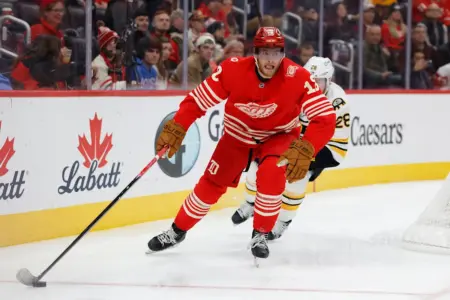
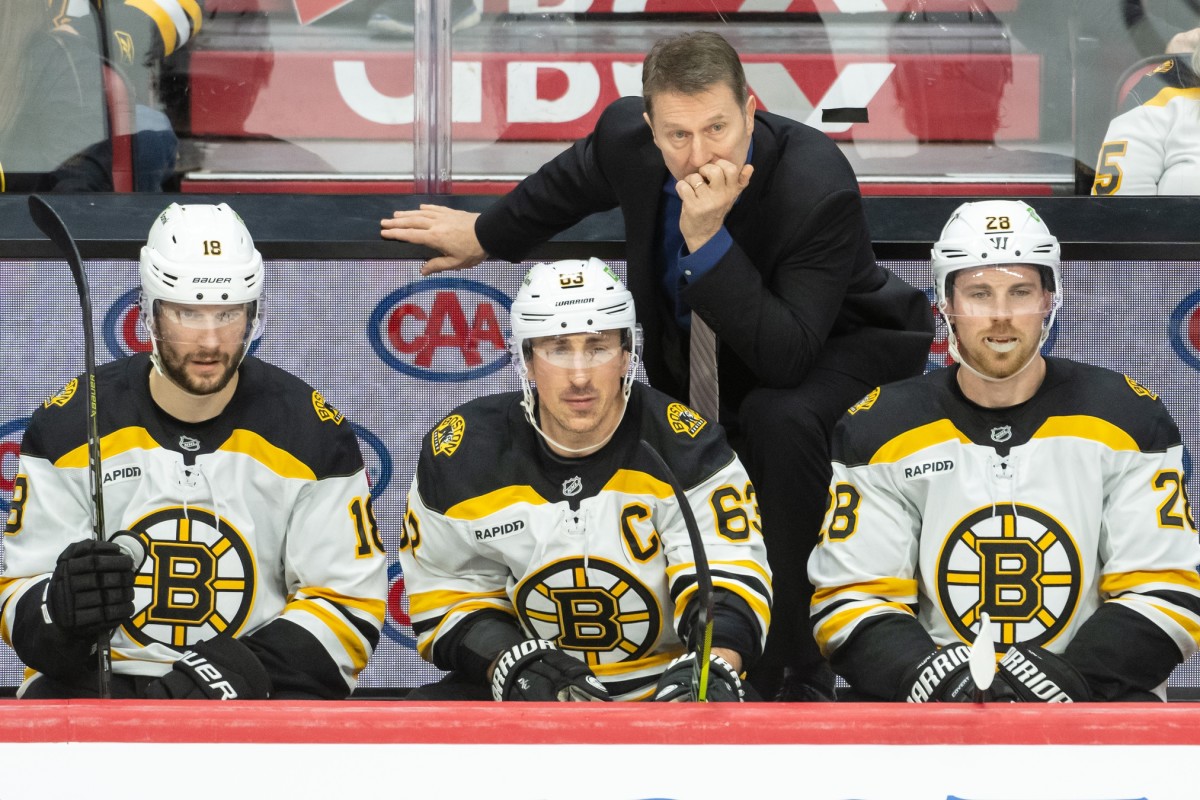
The Boston Bruins, one of the NHL’s most storied franchises, finds itself in a precarious position this season. Despite a series of significant moves during the off-season, including the signings of Elias Lindholm and Nikita Zadorov, as well as the re-signing of goaltender Jeremy Swayman, the Bruins are currently fourth in the wild-card race. They are just one point behind the Detroit Red Wings and two points behind the Ottawa Senators, a far cry from the expectations set at the start of the season. The firing of coach Jim Montgomery and the subsequent appointment of Joe Sacco as interim coach have not provided the immediate turnaround many Bruins fans were hoping for. As the NHL trade deadline approaches, the Bruins face a critical decision: to be buyers, sellers, or to stand pat.
The Case for Being Buyers
The Bruins are a team built to win now. Their struggles this season, however, highlight the need for additional talent to secure a playoff spot. Specifically, Boston is in dire need of offensive help, ranking 25th in goals-for per game with just 2.75 goals scored per game. Even with David Pastrnak’s recent hot streak, where he has led the NHL in points since January 1, the Bruins are still only 11th in goals-for over that span. This underscores the clear need for more offensive firepower. Being buyers could provide the necessary shakeup to overcome the teams ahead of them in the wild-card race. For a franchise with ambitions of a deep playoff run, adding depth on both offense and defense could be the catalyst they need to reignite their campaign.
The Risks of Being Buyers
If the Bruins decide to be buyers, they will need to offer significant assets in any trade, likely including draft picks and prospects. This is a double-edged sword. While it could provide the immediate boost they need, it also means depleting a prospect pool that THN.com’s prospect expert Tony Ferrari describes as "barren." This could hamper Boston’s long-term chances of success. Surrendering key assets for short-term gains may not sit well with Bruins management or their passionate fan base. The franchise has a history of resilience and success, but making such a move could be seen as a risky gamble on a season that has not lived up to expectations.
The Case for Being Sellers
If the Bruins decide this season is a lost cause, they could explore selling off valuable pieces. Pending UFAs like Trent Frederic and Justin Brazeau are prime candidates for trade, and GM Don Sweeney might even consider an aggressive move involving captain Brad Marchand. While this strategy may disappoint fans who expect the Bruins to challenge for the Stanley Cup every season, it could position the team to be legitimate playoff contenders as soon as next year. By focusing on future assets, the Bruins could rebuild their roster and prospect pool, setting the stage for a strong showing in the upcoming seasons.
The Risks of Being Sellers
Selling off key players would almost certainly end the Bruins’ eight-year playoff streak. Given their current struggles, trading away NHL-caliber players for future assets would make it even more challenging to catch up in the playoff race. Missing the post-season would be a significant setback for a team that started the season with high expectations. The optics of taking a step back would not be ideal, especially in a city that has enjoyed success across multiple professional sports. Any major failure by the Bruins would be keenly felt by their fans, who demand excellence and consistency from their beloved team.
The Case for Standing Pat
By standing pat, the Bruins would be signaling their belief that the solution to their struggles lies within their current roster. This would be a vote of confidence in the team’s players and could be the message they need to hear. Defense has been a weak point for the Bruins, with their 3.18 goals-against per game ranking 24th in the NHL. However, the return of shutdown defenseman Hampus Lindholm, who has been out since November 12 due to injury, could provide a significant boost to their defensive efforts. Additionally, goaltender Jeremy Swayman, despite his poor performance this season, still has the potential to bounce back and justify his $8.25-million cap hit. While trying to outbid other teams for additional defense or offensive depth could be too costly, standing pat might ultimately prove to be the right choice for Don Sweeney.
The Risks of Standing Pat
If the Bruins decide to stand pat, they are likely to continue experiencing the sub-par results that have marked their season so far. Injuries have already taken a toll on their roster, and if the injury bug strikes again, the results could be even more disastrous. If the Bruins fade from the playoff picture and lose key UFAs in free agency, they will have little to show for their efforts. At least acquiring a rental player and missing the playoffs would allow them to try to re-sign that player. Standing in the mushy middle of the league is a position no team wants to be in, and it could further erode the confidence of a franchise that is used to competing at the highest level.
Conclusion
The Boston Bruins stand at a critical juncture this season. Their decision at the trade deadline will have far-reaching consequences for the team’s immediate and long-term future. Whether they choose to be buyers, sellers, or stand pat, the Bruins must weigh the pros and cons carefully. The ultimate goal is to return to the playoffs and challenge for the Stanley Cup, but the path to achieving that goal is fraught with challenges. How they navigate these challenges will define their season and set the stage for future success.