
The Bruins’ Unfortunate Season Takes a Turn for the Worse
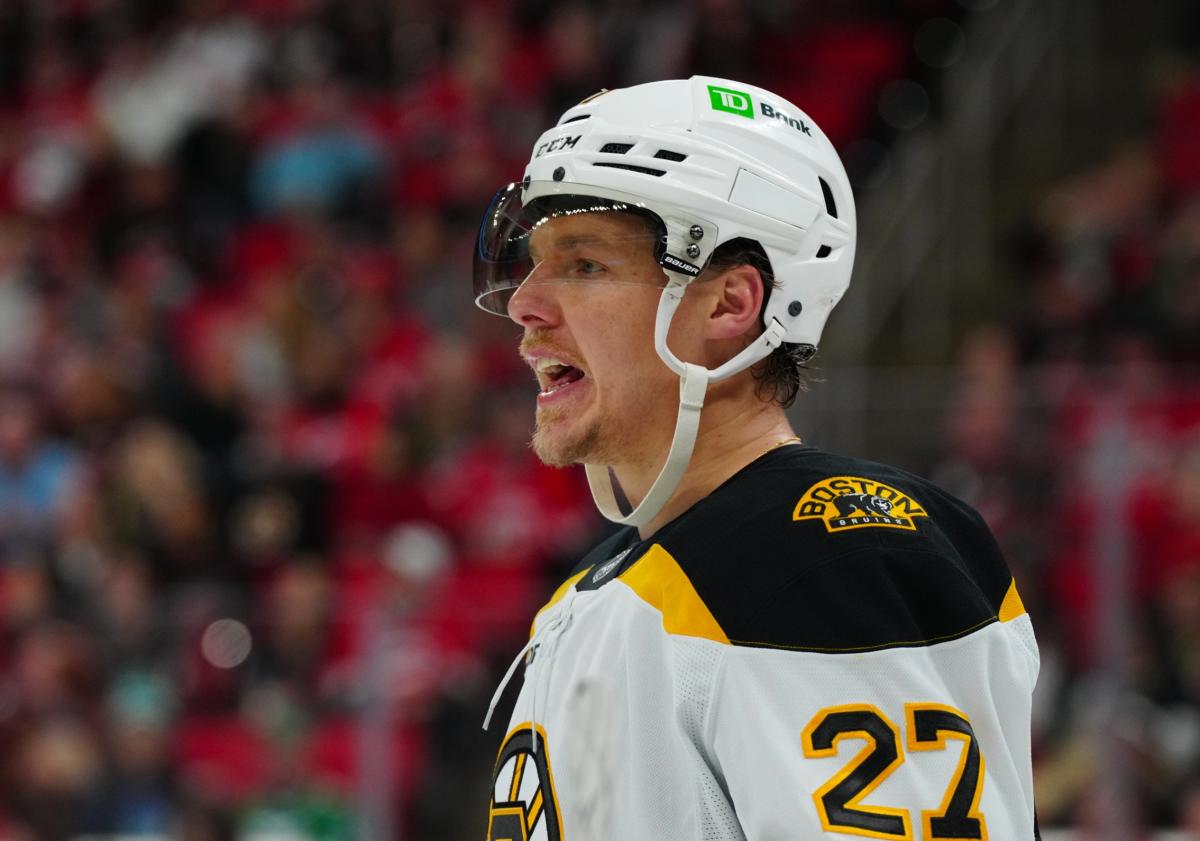
The Boston Bruins have had a season marred by misfortune, and things are not getting any easier. Despite their best efforts, the Bruins currently find themselves outside of a playoff spot, a stark contrast to the expectations set at the beginning of the year. The most recent blow to their hopes came on Sunday when General Manager Don Sweeney announced that veteran defenseman Hampus Lindholm will likely miss the rest of the season due to a knee injury. Lindholm, who last played on November 12, remains on long-term injured reserve, adding another layer of complexity to the team’s already challenging roster.
Key Injuries Compound the Problem
The absence of Lindholm is compounded by the ongoing injury to star defenseman Charlie McAvoy, who is out with a shoulder injury sustained during the 4 Nations Face-Off. McAvoy, with no timetable for return, is a crucial component of the Bruins’ defensive structure and power play. Both players are integral to the Bruins’ blueprint for success, and their extended absences have significantly weakened the team’s depth and overall performance. The Bruins, known for their strong defensive core, are now struggling to maintain their usual level of play without these key figures.
Financial and Roster Constraints
Despite the injuries, the Bruins have some financial flexibility, with about $5.71 million in salary cap space thanks to Lindholm being on LTIR, according to PuckPedia. However, this space is unlikely to solve their issues this season. There is a scarcity of top-tier defensemen available on the trade market who could seamlessly fit into Boston’s lineup. Seth Jones, a top defensive option from the Chicago Blackhawks, comes with a hefty $9.5 million cap hit for the next five years, making him an unrealistic acquisition for the Bruins. Even if they consider other potential trade targets, the competition from other teams who are strong contenders or rebuilding their rosters will make it difficult for Boston to secure the right pieces.
Offense and Special Teams Struggles
The Bruins’ struggles extend beyond their defensive lineup. They are currently 24th in the NHL with just 2.74 goals-per-game, highlighting a significant offensive shortfall. On the defensive end, they allow the ninth-most goals against at 3.17 per game, indicating that their issues are not confined to one aspect of their play. Their power-play success rate ranks 30th, and their penalty-kill rate is 24th, further complicating their chances of turning things around. These statistics paint a grim picture of a team that is facing challenges on multiple fronts, making it increasingly clear that their best course of action is to focus on the future rather than trying to salvage this season.
Strategic Decision-Making
Given the current state of the Bruins, the road looks clearer for them to be sellers at the NHL trade deadline on March 7. Moving pending unrestricted free agents (UFAs) like center Trent Frederic and right winger Justin Brazeau is a logical step. However, GM Don Sweeney should also be open to listening to offers for other players on the roster. While it is not suggested that he cut ties with captain Brad Marchand, the Bruins should have few untouchables. Marchand, a veteran and a key offensive weapon, has expressed his desire to remain a Bruin, and Sweeney shares this sentiment. However, the organization needs to be pragmatic and consider all options to position themselves for a future rebound.
Looking to the Future
The Bruins have faced similar challenges in the past, and they have successfully navigated through them. Missing the playoffs in the 2014-15 and 2015-16 seasons allowed them to rebuild and eventually return to contention. With the likely loss of Lindholm and the uncertain status of McAvoy, this season is shaping up to be one where the Bruins need to focus on long-term solutions rather than short-term fixes. By dealing with reality and adjusting their expectations, the Bruins can ensure they are well-positioned to make a strong push for the playoffs in the next one or two years. Fans and management alike should recognize the importance of sometimes taking a step back to move forward stronger in the future.