
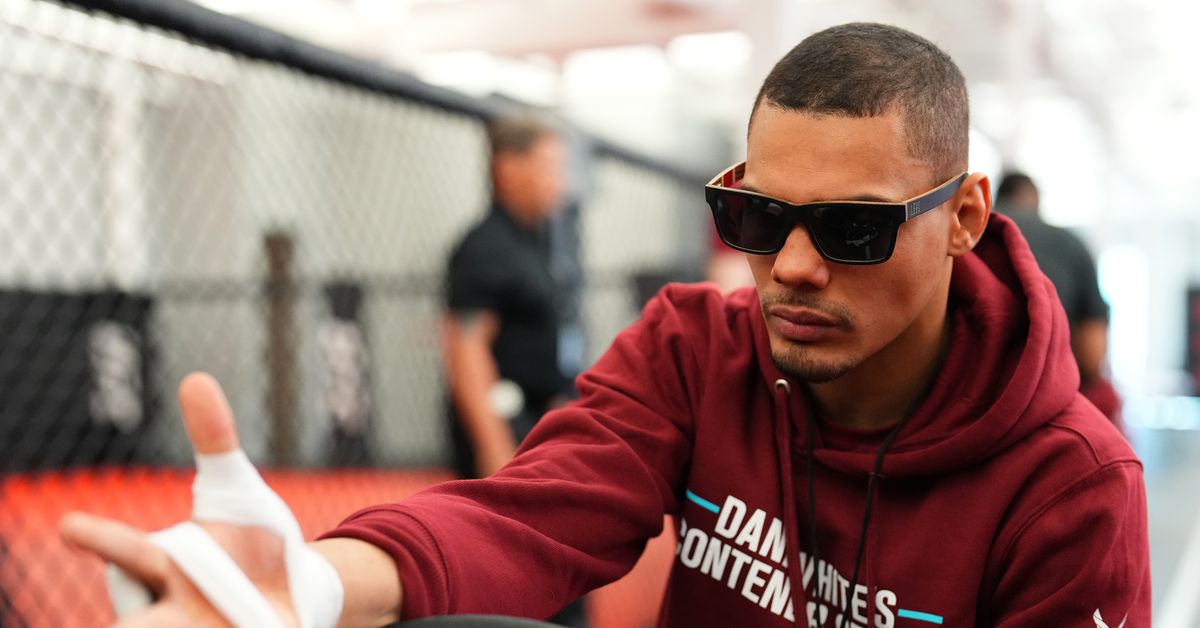
A Tough Journey for Quemuel Ottoni
Quemuel Ottoni, a promising Brazilian mixed martial artist, has faced a series of challenging setbacks in recent months. Known for his early career victory over future UFC champion Alex Pereira, Ottoni’s journey has been marred by difficult decisions and unforeseen consequences. In September, he was scheduled to compete on the Contender Series but decided to withdraw moments before entering the cage. This decision, driven by an intense bout of anxiety, has now led to a suspension that will keep him out of competition until March 10, 2026.
The Fallout from Withdrawal
Ottoni’s withdrawal from the Contender Series fight against Kody Steele was a moment that garnered significant attention. UFC CEO Dana White commented on the incident, suggesting that Ottoni’s decision was a reaction to the overwhelming pressure of the moment. "That’s what this show is all about," White said. "Sometimes you don’t have to actually get in the cage to realize, ‘This isn’t for me. I can’t handle the pressure. I don’t want to do this.’ This is what this is all about." Ottoni later disclosed that he had an "anxiety crisis" that led him to pull out of the fight, highlighting the mental health challenges that athletes often face.
A Positive Drug Test and Its Consequences
However, Ottoni’s troubles did not end with his withdrawal. He recently tested positive for clomiphene, a banned substance listed as a hormone and metabolic modulator that is prohibited at all times for athletes. The Nevada Athletic Commission, after failing to receive a response from Ottoni regarding the failed drug test and potential punishment, voted to approve a default judgment against him. As a result, Ottoni has been suspended for 18 months, and he will not be eligible to compete until March 10, 2026. Because he did not actually fight, Ottoni avoided a fine, but he is required to pay $471.12 in attorney fees before he can be relicensed in Nevada. Additionally, if he returns to compete in the state, he must provide clean drug tests 30 days, 15 days, and 3 days before his contest.
Ottoni’s Mental Health Struggle
The events leading up to Ottoni’s withdrawal and subsequent suspension shed light on the mental health challenges faced by professional athletes. The high-pressure environment of combat sports can exacerbate anxiety and other mental health issues, and Ottoni’s decision to withdraw from the fight was a clear indication that he was struggling. While the choice to step away is often seen as a sign of weakness, it can also be a necessary step for an athlete’s well-being. Ottoni’s public acknowledgment of his anxiety crisis is a brave and important step toward destigmatizing mental health issues in sports.
The Road to Recovery and Return
As Ottoni faces an 18-month suspension, the road to his comeback will be paved with both challenges and opportunities. The extended period away from competition will likely be a time of reflection and personal growth. Ottoni has the chance to address his mental health issues and work on strategies to manage anxiety and pressure. This period could also be an opportunity for him to reassess his goals and aspirations in the sport. If he returns to competition, the stringent drug testing requirements will ensure that he remains in good standing with regulatory bodies.
A Cautionary Tale for MMA
Quemuel Ottoni’s story serves as a cautionary tale for the MMA community. It highlights the importance of mental health support for athletes and the need for a more understanding and supportive environment. The high-stakes nature of combat sports can push athletes to their limits, and the consequences of failing to manage mental health can be severe. Ottoni’s journey underscores the need for better support systems and resources to help athletes navigate the pressures of competition and maintain their well-being. As he prepares for his return in 2026, the MMA community will be watching, hoping that he emerges stronger and more resilient.