
The Muhammad Ali American Boxing Revival Act: An Overview
The Muhammad Ali American Boxing Revival Act (AABRA) aims to revitalize the sport of boxing by introducing a new promotional structure akin to the Ultimate Fighting Championship (UFC). This proposed law is making its way through Congress, and a crucial hearing titled “In Their Corner: Creating More Opportunities for American Boxers” was held before the Workforce Protections Subcommittee. The hearing featured testimony from several key figures, including UFC senior executive vice president and chief operating officer Lawrence Epstein, California State Athletic Commission executive director Andy Foster, and attorney Pat English, one of the architects behind the original Muhammad Ali Act. The primary goal of the AABRA is to offer boxers more opportunities by implementing Unified Boxing Organizations (UBOs), which would adopt the UFC’s promotional model, including internal rankings, championship titles, and exclusive contracts.
The Potential Impact of Unified Boxing Organizations
One of the key tenets of the AABRA is the introduction of UBOs, which would bring a more structured and centralized approach to boxing. These organizations would function similarly to the UFC, with a focus on creating a consistent and competitive environment for fighters. The UBO model would include internal rankings and championship titles, providing a clearer path for fighters to advance in their careers. Moreover, the bill emphasizes that this new system would coexist with the existing framework, offering boxers a choice between the traditional and the new promotional models. Proponents argue that this dual approach could help address some of the longstanding issues in boxing, such as inconsistent event coverage and mismatched bouts.
Revenue Sharing and Fighter Compensation
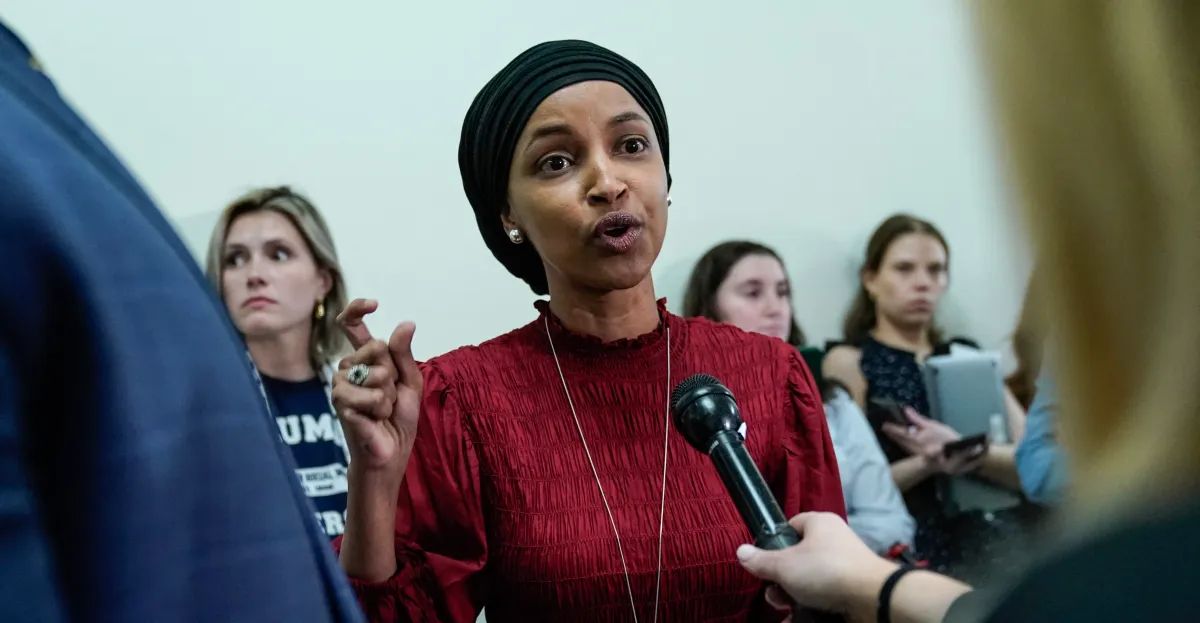
During the hearing, Congresswoman Ilhan Omar, a vocal combat sports enthusiast, directed pointed questions to Epstein regarding the financial benefits for boxers under the UBO model. Omar referred to the UFC’s past antitrust lawsuits, where it was alleged that fighters were paid a disproportionately low share of revenues compared to athletes in other major sports. She asked Epstein to commit to a minimum revenue share for boxers in the proposed Zuffa Boxing league, which is set to launch in 2026 with funding from Saudi Arabia’s General Entertainment Authority. Epstein, however, was hesitant to provide a specific percentage, citing the new business’s nascent stage and the absence of concrete revenue figures.
Addressing Concerns and Trust Issues
Omar further probed Epstein about the trustworthiness of the UBO model, given the ongoing antitrust lawsuits against the UFC. She expressed concern about the potential for wage suppression and the risk of fighters being trapped in long, coercive contracts. Epstein responded by emphasizing that the AABRA would not negate the existing protections under the original Muhammad Ali Act, passed in 2000. He argued that the new legislation would provide boxers with a choice, allowing them to opt into the UBO system or stick with the traditional model. Epstein also highlighted the current state of boxing, noting the lack of consistent media coverage and the fragmented promotional landscape, which he believes the UBOs could help address.
The Role of Promotional Structure in Matchmaking
Andy Foster, the executive director of the California State Athletic Commission, offered insights into the current challenges in boxing matchmaking. Foster explained that the current system, where promoters focus on building their fighters’ records through mismatches, often leads to uncompetitive and predictable bouts. He argued that the UBO model, with its centralized promotional structure, could improve the quality of matchups by ensuring that fighters face more evenly matched opponents. Foster’s testimony underscored the potential for UBOs to enhance the overall integrity and excitement of the sport.
Moving Forward with Informed Policy Decisions
While the AABRA presents several potential benefits, Congresswoman Omar acknowledged that the bill has room for improvement. She urged her colleagues to gather input from various stakeholders, including state athletic commissions, local boxing gyms, and, most importantly, the boxers themselves. Omar emphasized the importance of a comprehensive and informed policy-making process to ensure that the final legislation truly serves the best interests of the boxing community. As the AABRA continues its journey through Congress, the balance between innovation and protection for athletes remains a critical consideration.