
Sean Strickland’s Struggle at UFC 312
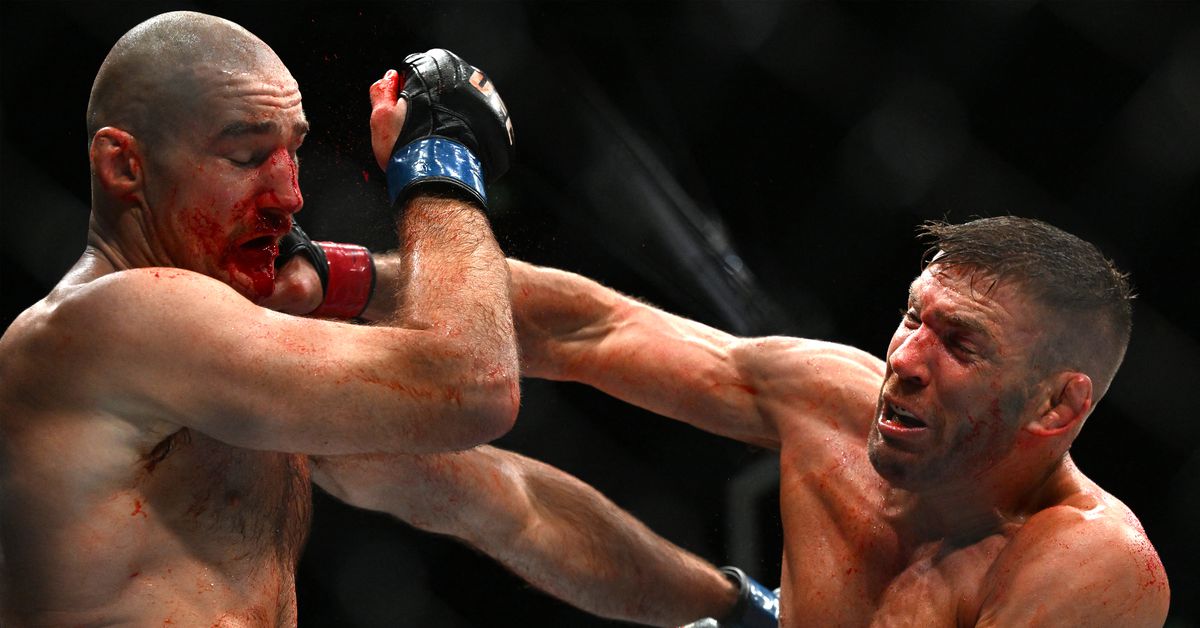
Sean Strickland’s performance at UFC 312 was a far cry from his usual form, culminating in a lopsided loss to Dricus du Plessis. The fight saw Strickland struggle offensively, and things took a turn for the worse when he suffered a broken nose in the fourth round. His head coach, Eric Nicksick, was vocal about his dissatisfaction, publicly describing the performance as "very underwhelming" and "uninspiring." This public airing of grievances sparked a whirlwind of reactions and reflections within the MMA community, highlighting the tensions that can arise in the coach-fighter relationship.
The Backlash and Strickland’s Response
In response to Nicksick’s criticisms, Strickland released a video detailing the physical issues he was dealing with leading up to the fight, including injuries that significantly hindered his performance. Despite the challenges, Strickland maintained a sense of respect, stating that he still considers Nicksick a friend but is "probably not" returning to corner him for future fights. This response underscores the complexity of the situation, where personal and professional relationships can be strained by the high stakes of professional sports.
Matt Brown’s Perspective
Matt Brown, a retired UFC fighter and now a full-time coach, has a unique vantage point from which to analyze the dynamics at play. Brown emphasized the importance of handling such situations privately rather than airing grievances publicly. "First and foremost, we have no idea what’s going on behind the scenes," Brown said on The Fighter vs. The Writer podcast. "There could be a million different things that we’re basing all this off a couple of paragraphs. Who knows. It’s unfortunate. I don’t think you should criticize your fighter publicly."
The Coach-Athlete Relationship
Brown likens the coach-athlete relationship to a marriage, emphasizing the need for unwavering support and trust. "A coach-athlete relationship is like a marriage," he explained. "You’ve got their back until you don’t, and it’s to the death. You’re there for them. You’re not fighting for them. All you’re doing is giving your belief on what you think they need to do. They’re trusting you with that belief." This analogy underscores the deep level of trust and commitment required in such a relationship, especially in the high-pressure environment of professional fighting.
The Value of Experience
Brown also highlighted the value of having a coach who has fought, as their firsthand experience can provide a more nuanced and empathetic understanding of what fighters go through. "I try not to be overly critical," Brown said. "I like guys like Eric Nicksick, but if you’ve never fought, you’re literally just giving an opinion. I think someone who’s fought, their opinion goes a lot farther. But it’s still an opinion." This perspective adds a layer of complexity to the criticism directed at Strickland, suggesting that the experience of fighting can significantly influence the ability to provide effective guidance and support.
The Importance of Support
Ultimately, Brown sympathizes with Strickland’s frustration over Nicksick’s public comments. From his own experience, Brown appreciated that his coaches always had his back, regardless of the outcome of his fights. "That’s the whole thing with this entire conversation, we’re assuming a lot of things here, but if that is the case, I understand Strickland getting mad about it. 100 percent," Brown said. "I’ve had terrible performances, and my coaches never said a word about it outside of to me. We talk about it. I’ve seen it a million times — well I haven’t lost a million fights — but you lose a fight and my coaches still had my back the next week or whatever. Somebody’s talking shit online, and they’re defending me. I personally, I appreciate that. It’s like when you sign up as a coach what your role is and what you’re doing."
In conclusion, the incident at UFC 312 and the subsequent public criticism highlight the delicate balance required in the coach-athlete relationship. It serves as a reminder of the importance of trust, support, and private communication in maintaining a healthy and effective partnership, especially in the high-stakes world of professional sports.