
A Life Cut Short: The Tragic Death of Guilherme "Bomba" Vasconcelos
Guilherme "Bomba" Vasconcelos, a well-known figure in the world of mixed martial arts (MMA), died by suicide at the age of 38. The news of his passing in October initially reverberated through the MMA community with shock and sadness, but it was only recently confirmed by TMZ Sports that his death was indeed a suicide. Law enforcement, having conducted a thorough investigation, found Vasconcelos’s body in the garage of an Illinois home. No suicide note was discovered, and his toxicology report revealed only the presence of caffeine. The absence of a note and the singular finding of caffeine suggest that his struggle was deeply personal and perhaps well-kept from those around him. The MMA world, which often prides itself on resilience and strength, is now grappling with the stark reality that even its toughest members can face battles they cannot win alone.
A Rising Star in MMA
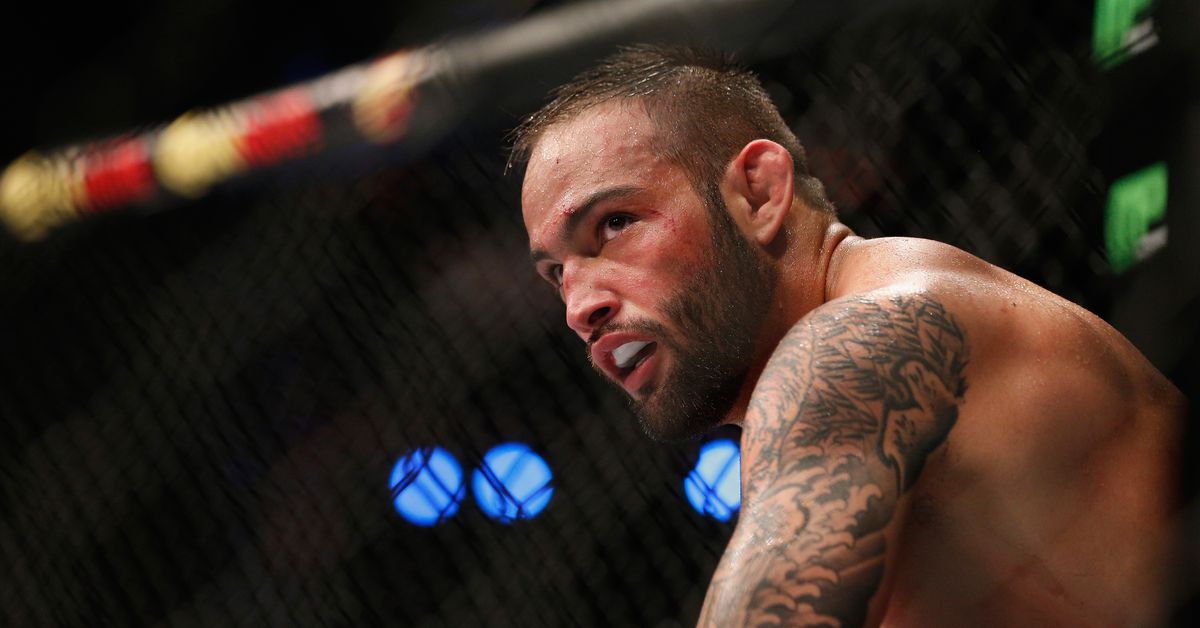
Bomba’s journey in MMA began in 2012 when he first stepped into the octagon. His potential was quickly recognized, leading to his participation in The Ultimate Fighter: Brazil 3 in 2014. Despite losing to Ricardo Abreu, his performance was commendable, and he earned a contract with the Ultimate Fighting Championship (UFC). However, his time in the UFC was brief and challenging, as he lost his lone fight in the promotion to Luke Zachrich. Undeterred by this setback, Vasconcelos continued to pursue his passion and joinedBellator, where he fought six times between 2015 and 2019. His career was marked by both highs and lows, but his dedication to the sport and his unwavering spirit were always evident. Outside the MMA bubble, Bomba was known for his relationship with pop star Demi Lovato in 2017, adding a celebrity dimension to his life that brought him additional attention and perhaps a brief respite from the pressures of the sport.
The Personal Side of a Fighter
Behind the tough exterior and the bravado of the ring, Bomba was a complex individual with a rich personal life. His nickname "Bomba," which translates to "bomb" in Portuguese, was a testament to his explosive fighting style and his dynamic personality. Those who knew him described him as a vibrant and charismatic person, always ready to engage with fans and fellow fighters. His relationship with Demi Lovato was a highlight of his personal life, offering a glimpse into the softer side of this fierce competitor. However, the pressures of professional sports and the challenges of life can often take a toll on even the strongest individuals. The tragic end to his life serves as a sobering reminder of the mental health struggles that many athletes face, often hidden from public view.
The Impact on the MMA Community
The news of Bomba’s suicide sent ripples through the MMA community, touching the hearts of many who admired his tenacity and spirit. MMA fighters, trainers, and fans took to social media to express their grief and share memories of Bomba. His peers in the sport remembered him not only for his skills and performances but also for his kindness and the positive energy he brought to the gym and events. The loss of such a young and talented individual was a profound blow, and it sparked a broader conversation about mental health and the support systems needed to help athletes navigate the often tumultuous waters of professional sports. Organizations like the UFC and Bellator, while known for their competitive nature, are beginning to recognize the importance of providing mental health resources to their fighters.
The Broader Conversation on Mental Health
Bomba’s death has brought the issue of mental health in the MMA community into sharp focus. Athletes, especially those in high-adrenaline, high-stress sports like MMA, are not immune to mental health challenges. The physical and emotional toll of training, the pressure to perform, and the intense scrutiny from fans and media can all contribute to mental health issues. Bomba’s journey, from his early success to his brief stint in the UFC and subsequent fights in Bellator, highlights the ups and downs of a professional athlete’s life. His ultimate decision to end his life serves as a stark reminder that these challenges can sometimes be insurmountable without the right support. It is crucial for the MMA community and beyond to foster environments where athletes feel safe and supported in seeking help for their mental health.
A Call to Action
In the wake of Guilherme "Bomba" Vasconcelos’s death, many are calling for increased awareness and action regarding mental health in professional sports. If you or someone you know is dealing with mental health issues, reaching out for help is not a sign of weakness but a necessary step towards healing. In the U.S., the 988 Lifeline can be reached at 1-800-985-5990, or by text via 988 or at 988lifeline.org. These resources are available 24/7 and can provide the crucial support needed during difficult times. The MMA community, along with other professional sports, is beginning to take mental health more seriously, recognizing that a fighter’s well-being extends far beyond the physical. It is a collective responsibility to ensure that athletes have access to the mental health resources they need to thrive both inside and outside the ring. Bomba’s legacy, while tragically cut short, can serve as a catalyst for change, helping to create a more empathetic and supportive environment for all athletes.
Remembering Bomba
Guilherme "Bomba" Vasconcelos may be gone, but he is not forgotten. His legacy in MMA, as well as his personal connections, will continue to inspire and touch those who knew him and those who followed his career. His journey from a young prospect to a seasoned fighter, and his relationship with Demi Lovato, paint a picture of a multifaceted individual who lived his life with intensity and passion. The MMA community is mourning not just the loss of a talented athlete but also a friend, a brother, and a role model. As we reflect on Bomba’s life, it is important to honor his memory by continuing to advocate for and support mental health initiatives. In doing so, we can ensure that his legacy lives on in a way that helps others facing similar struggles.