
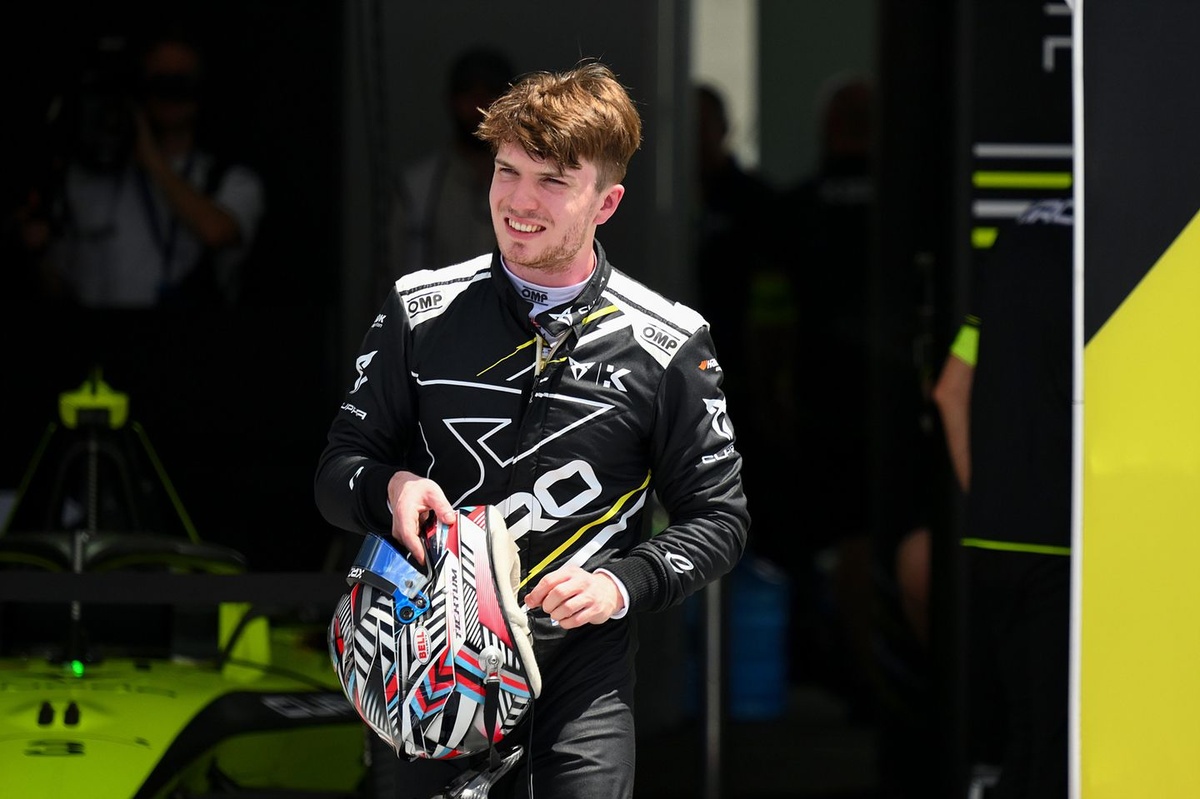
Dan Ticktum’s Swear-Laden Rant Goes Unpunished
At last weekend’s Jeddah E-Prix, 25-year-old Formula E driver Dan Ticktum found himself in the middle of a heated exchange with his race engineer, Michael Lee. The incident occurred midway through the opening contest of the Saudi Arabia Formula E weekend, when Ticktum’s car developed an electrical problem while he was running in sixth place. The issue required the car to be reset, which led to a loss of valuable time and further complications as the team decided to change the front wing. Ticktum, known for his fiery temperament, vented his frustration over the team radio with a tirade that included a notable 10 swear words. This exchange was quickly picked up and broadcast across social media, catching the attention of fans and officials alike.
The Context and Reaction
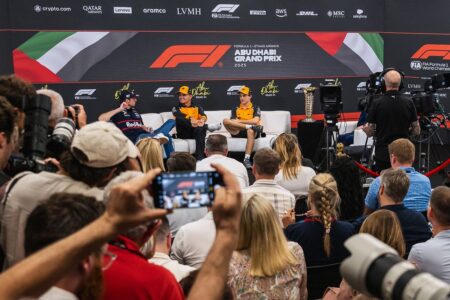
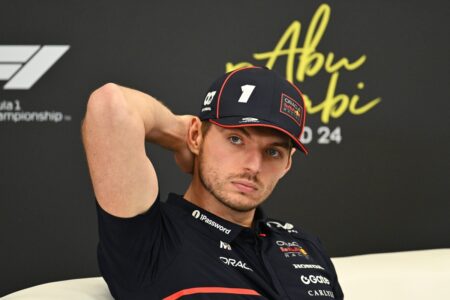
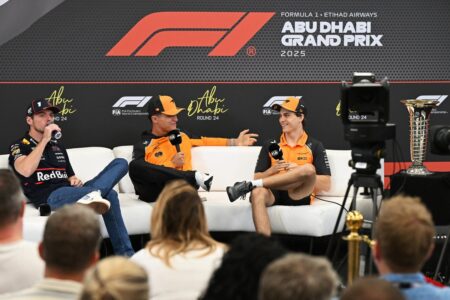
While it’s debatable whether Ticktum’s outburst was socially appropriate, the more pressing issue is the recent changes to the International Sporting Code regarding swearing. As of January 2025, the act of swearing has been explicitly outlawed in motorsport, a change strongly advocated by FIA President Mohammed Ben Sulayem. This move was prompted by high-profile incidents involving Formula 1 drivers Max Verstappen and Charles Leclerc, who both faced penalties for using profanity in media interactions. Verstappen was required to complete community service before the FIA Prize Giving ceremony in Rwanda, while Leclerc had to pay a fine for his use of an f-bomb during an interview.
FIA’s Decision and Precedent
Despite the clear rules against swearing, Ticktum’s rant will not result in a penalty from the FIA. An FIA spokesperson explained that the stewards were aware of the incident but decided that no further action was necessary. The key reason? The exchange happened over team radio and not during a media interview. This distinction is crucial, as it sets a precedent that swears over team communications are treated differently from those uttered in front of the media. The FIA’s decision highlights the need for clear guidelines and consistent enforcement of these new rules.
Adrien Fourmaux’s Case
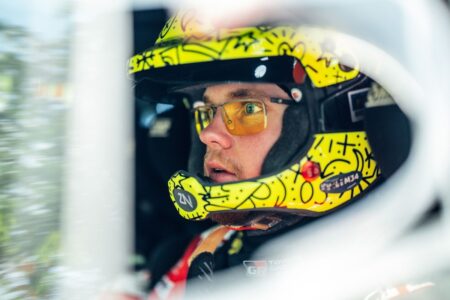
The situation becomes even more intriguing when compared to another recent incident involving Adrien Fourmaux, a star of the World Rally Championship. On the same weekend, Fourmaux was the first driver to be charged under the new swearing rules. He used the f-word during a television interview on Sunday, resulting in a €10,000 fine. Interestingly, the fine should have been €30,000 according to the FIA’s criteria, but the stewards in Sweden suspended €20,000 of the penalty. The rationale was that Fourmaux was speaking in his second language and “not intended to be offensive.” This leniency contrasts with the stricter approach taken in other incidents, further emphasizing the need for clarity and consistency.
The Double Standard
This double standard—where drivers can swear over team radio without consequence but face significant penalties in media settings—raises several questions. Firstly, it seems somewhat arbitrary to differentiate between these two forms of communication, especially since both can be publicly accessible. For instance, Ticktum’s team radio exchange was broadcast via the unfiltered real-time Formula E app and quickly spread across social media. This inconsistency can lead to confusion and potential unfairness in how the rules are applied.
Moving Forward
As the 2023-2024 Formula E season and the upcoming Formula 1 season get underway, it is essential for the FIA to clarify its stance on swearing and ensure that the rules are applied consistently. While the heat of the moment can lead to emotional outbursts, the organization must balance the need for professionalism with the reality of the high-pressure environment in which drivers operate. Open communication with teams is a vital part of racing, and penalizing drivers for every slip of the tongue during such exchanges could stifle their ability to convey critical information in real-time. However, maintaining decorum in media interactions is equally important to preserve the sport’s image. The FIA should work towards creating guidelines that are both fair and practical for all drivers, regardless of the context in which they communicate.