
Ocon’s Critique of the FIA’s New Cooling Vests
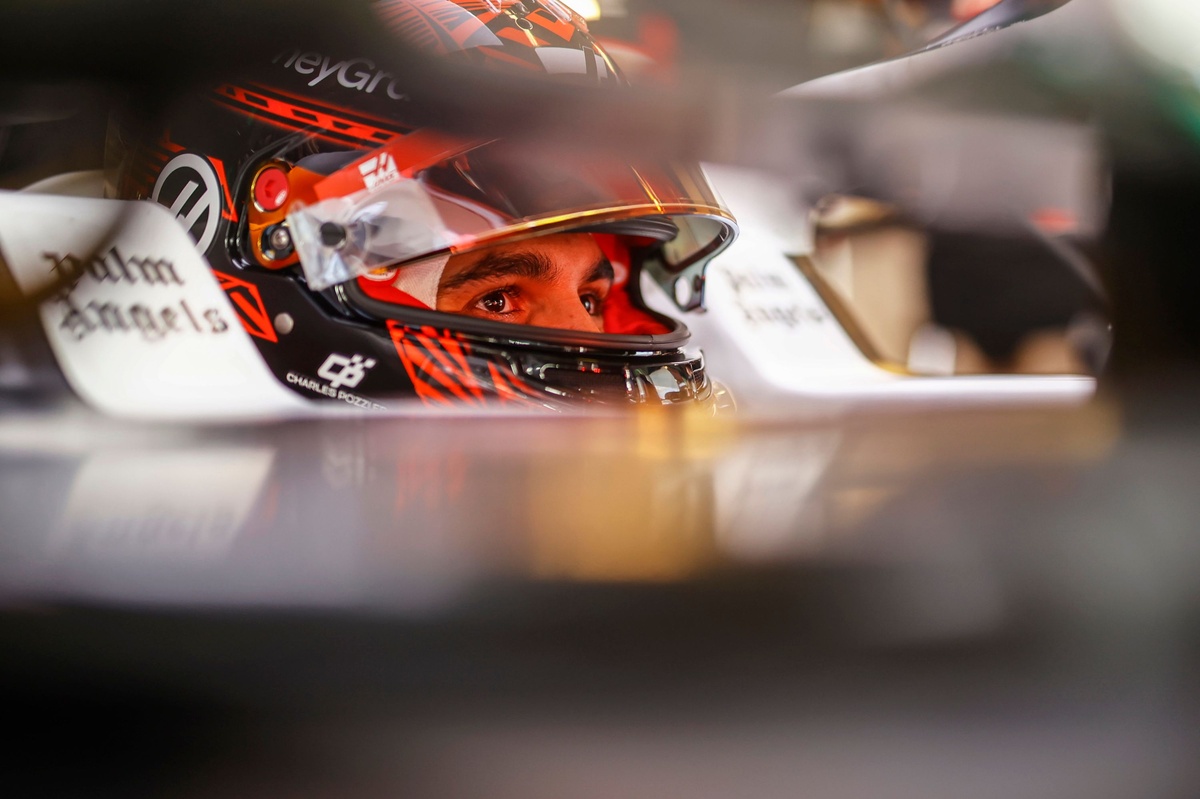
Esteban Ocon, a seasoned Formula 1 driver for Haas, has recently expressed his reservations about the FIA’s newly introduced cooling vests designed to help drivers endure the extreme heat during races. These vests, which integrate cooling tubes into the drivers’ overalls, were developed in response to the grueling conditions at the 2023 Qatar Grand Prix. While the concept is promising, Ocon claims that the current design is practically unusable. The main issue lies in the connection point where the tubes enter the suit, creating an uncomfortable pressure area that affects the driver’s ability to fit and function properly in the cockpit. "At the moment, we can’t use the cooling vest," Ocon told the media in Bahrain. "You have the tubes all around, that’s fine. You have the tubes in the back, that’s also fine. But there is a massive tennis ball on the side, on your hip. If you put it here [on the chest], it’s hurting with the belts. If you put it in the back, you can’t fit in the seat. If you put it on the side, you can’t fit in the seat. So yeah, at the moment, it doesn’t work for us."
The Current State of the Cooling System
Ocon’s concerns are not just about his own discomfort but reflect a broader issue that multiple drivers are facing. He noted that the standard product is "too big" and that the knot of tubes is particularly problematic. "Where all the tubes linked up, it’s like a knot of tubes. And that’s why it’s too big." The tight fit of the seats in Formula 1 cars makes any additional bulk a significant challenge. For now, the use of the cooling system is optional, and Ocon, along with his teammate Ollie Bearman, are among those who cannot use it. "It would be the opposite, actually. I would want to use it, if that was the case," Ocon explained, emphasizing that the issue is not about being picky but about practical usability.
Potential Solutions and Challenges
The FIA’s plan to make the cooling system mandatory by 2026 adds a level of urgency to the current problems. Ocon is skeptical about modifying the cockpit seats to accommodate the device. "Well, if you want a seat with a massive hole in it, no. A seat is very difficult to get right. If you do a cut-out like that, you will lose in flexibility massively." He suggests that the only feasible improvements would be to reduce the size of the tube knot or to explore alternative cooling methods, such as air conditioning through the seat, similar to what is seen in some road cars. However, the tight and precise fit required in F1 cockpits makes such modifications challenging.
The Necessity of the Device
While Ocon acknowledges the need for a cooling system in extreme conditions like those experienced in Qatar, he questions whether making it mandatory is necessary at this point. "It’s not very needed yet," he said. "For extreme conditions, I agree, like Qatar, for instance, or sometimes Singapore. But Qatar last year, I spent a week cycling in the sauna before getting to the race weekend—and when I arrived, I was in a jacket. It was so cold, so I was a bit pissed off to prepare so hard for nothing!" This anecdote highlights the variability of race conditions and suggests that existing methods of preparation and fitness training can sometimes mitigate the need for additional equipment.
Driver Feedback and Future Improvements
Ocon’s comments are part of a broader feedback loop from drivers to the FIA. He believes that no one is currently in a position to use the system effectively. "I reckon nobody’s in a position at the moment to use it. That’s what I believe. I could be wrong, but I think everybody’s struggling to fit in the car with these tubes." The FIA will need to address these concerns seriously if they hope to meet their 2026 deadline. Collaboration with teams and further R&D will be crucial to refine the device and ensure it can be integrated seamlessly into the cockpit designs without compromising driver comfort or performance.
The Road Ahead
The introduction of the cooling system by the FIA is a step toward enhancing driver safety and comfort, especially in hot and humid conditions. However, the current design is far from perfect, and the practical challenges it presents are significant. Ocon’s candid feedback is valuable and highlights the importance of real-world testing and driver input in the development of new technologies. The FIA has time to work on improvements, and it will be essential to involve drivers and teams in the process to create a solution that is both effective and usable. As Formula 1 continues to push the boundaries of engineering and human endurance, finding the right balance between innovation and practicality will be crucial for the success of such devices.