
The Impact of Stricter Flexi-Wing Regulations at the Spanish Grand Prix
The Formula 1 community is abuzz with anticipation and speculation as the sport prepares to implement stricter regulations on flexible wings during the Spanish Grand Prix. This move, which aims to address the aeroelasticity practices that have been a source of controversy and competition, has elicited mixed responses from two of the sport’s key figures: Zak Brown of McLaren and Christian Horner of Red Bull.
Background on the Flexi-Wing Controversy
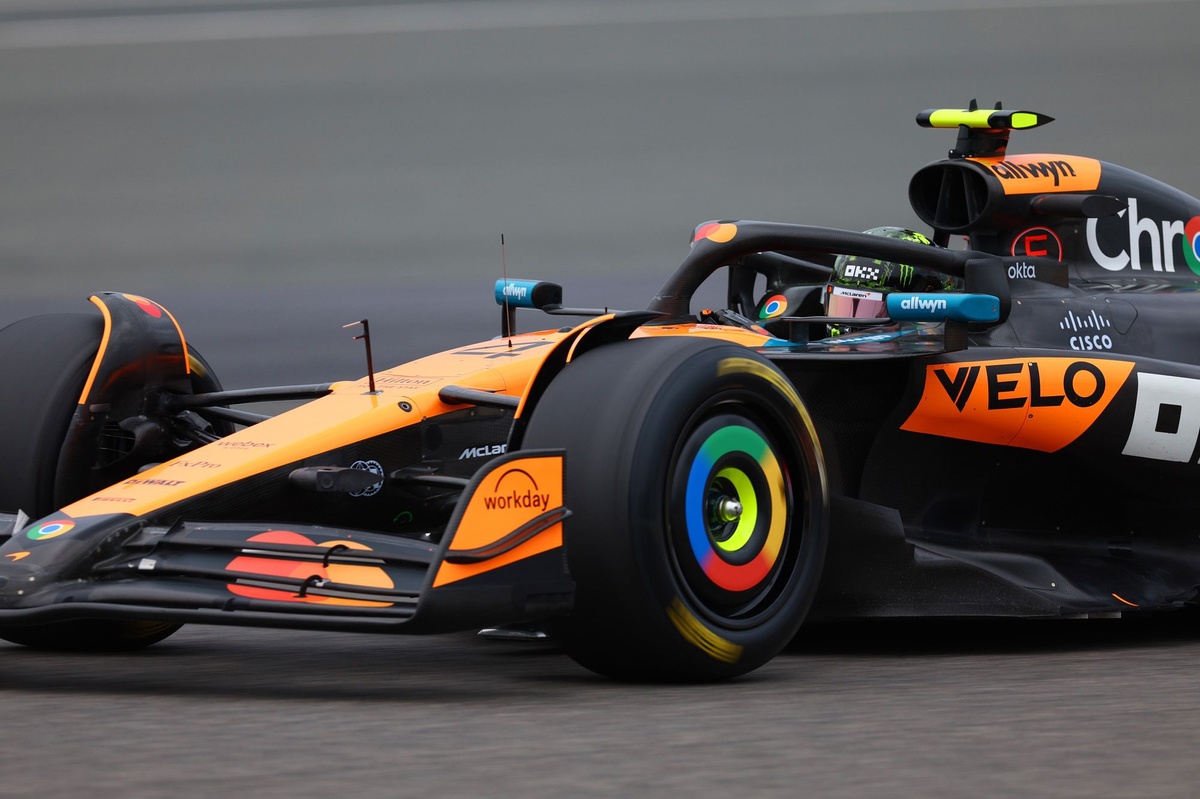
The controversy over flexible wings, or "flexi-wings," has been simmering for some time in the Formula 1 world. Aeroelasticity, the practice of designing wings that can flex under aerodynamic loads, has been a contentious issue because it allows teams to gain a competitive edge by reducing drag and increasing downforce. Last season, the FIA conducted a "data-gathering exercise" by placing cameras on select cars to better understand how teams were implementing these designs. Despite initial promises not to make any changes following this exercise, the governing body decided to introduce more stringent rear wing flex tests from the opening round of the season, with further restrictions on front wings set to take effect at the Spanish Grand Prix. This decision came after persistent lobbying from Ferrari and Red Bull, who argued that McLaren and Mercedes were the primary beneficiaries of flexible front wings.
McLaren’s Perspective on the Regulation Change
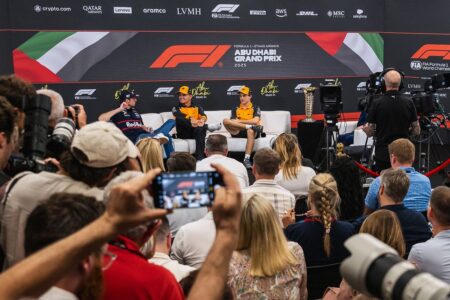
McLaren CEO Zak Brown has expressed a relatively relaxed stance on the impending regulation changes. "I don’t think it’s a significant change for us," he stated. "I think it’s too hard to tell who wins or loses over it, because I don’t think it’s going to be a material change for anybody. I’m not expecting there to be a winner and loser, or some change in the pecking order at that time because of that change." Brown’s view is that the impact of the new regulations will be minimal, and he doesn’t anticipate a dramatic shift in the competitive landscape. This perspective is rooted in the belief that the changes are not drastic enough to significantly alter the performance of the cars.
Red Bull’s Uncertainty and Concerns
Red Bull team principal Christian Horner, however, is less certain about the outcomes of the flexi-wing clampdown. "It’ll be interesting the effect that it has – I guess the slight oddball about it is the timing of it," Horner noted. "Why race nine? It might have been better to have been addressed during the off season, because you end up doing sort of two specs of wings." His comments highlight the logistical challenges and the potential for increased costs as teams will now need to develop and maintain two different front wing structures: one that exploits the current regulations and another that complies with the more stringent requirements set to take effect in Spain.
The Technical Details and Regulatory Shift
The current regulations stipulate that the front and rear wings must not flex by more than 15mm under aerodynamic loads. However, the FIA’s clarification and tightening of these rules are expected to reduce this limit to 10mm. This reduction is designed to minimize the extent of aeroelasticity and ensure a more level playing field. The late introduction of these regulations has left some teams, like Ferrari and Red Bull, scrambling to adapt. Both teams introduced flexing front wings later in the season last year, with Ferrari experiencing a late-season surge in performance and Red Bull struggling with balance issues in the third quarter. This variability in results underscores the complexity and unpredictability of the aeroelasticity issue.
The Broader Implications for Teams and the Sport
The mixed predictions from Brown and Horner reflect the broader uncertainty within the sport regarding the effectiveness of the new regulations. While some teams may find it challenging to adapt to the more rigid wing specifications, others may see it as an opportunity to close the performance gap. The timing of the regulation change, coinciding with the ninth race of the season, adds an additional layer of complexity. Teams will need to balance their current performance with the need to prepare for the new rules, potentially leading to a period of instability and varied performance. The FIA’s decision to phase in the changes also raises questions about the long-term impact on the sport’s technological development and the fairness of the competition.
Conclusion and Future Outlook
As the Formula 1 season progresses, the true impact of the flexi-wing clampdown will become clearer. While McLaren’s Zak Brown remains optimistic about the minimal effect, Red Bull’s Christian Horner is more cautious, questioning the timing and the potential logistical challenges. The sport’s governing body, the FIA, aims to create a more equitable competition by reducing aeroelasticity, but the effectiveness of these measures remains to be seen. Teams will continue to innovate and adapt, and the upcoming Spanish Grand Prix will be a critical test of the new regulations. The future of aeroelasticity in Formula 1 is uncertain, but one thing is clear: the sport will continue to evolve, driven by the relentless pursuit of performance and the quest for fairness.