
Introduction to the New Driver Cooling System
The Formula 1 community is set to introduce a new wearable tech shirt designed to keep drivers cool during races in extreme heat conditions. This innovation comes as part of the FIA’s response to the heat-related incidents that occurred during the 2023 Qatar Grand Prix. Notably, Logan Sargeant withdrew from the race due to heatstroke, Esteban Ocon vomited in his helmet, and Lance Stroll briefly passed out. These events highlighted the critical need for improved cooling mechanisms to ensure driver safety and performance. The new cooling shirts will be optional for drivers in the 2025 season, with the system becoming mandatory in 2026.
The Development and Implementation
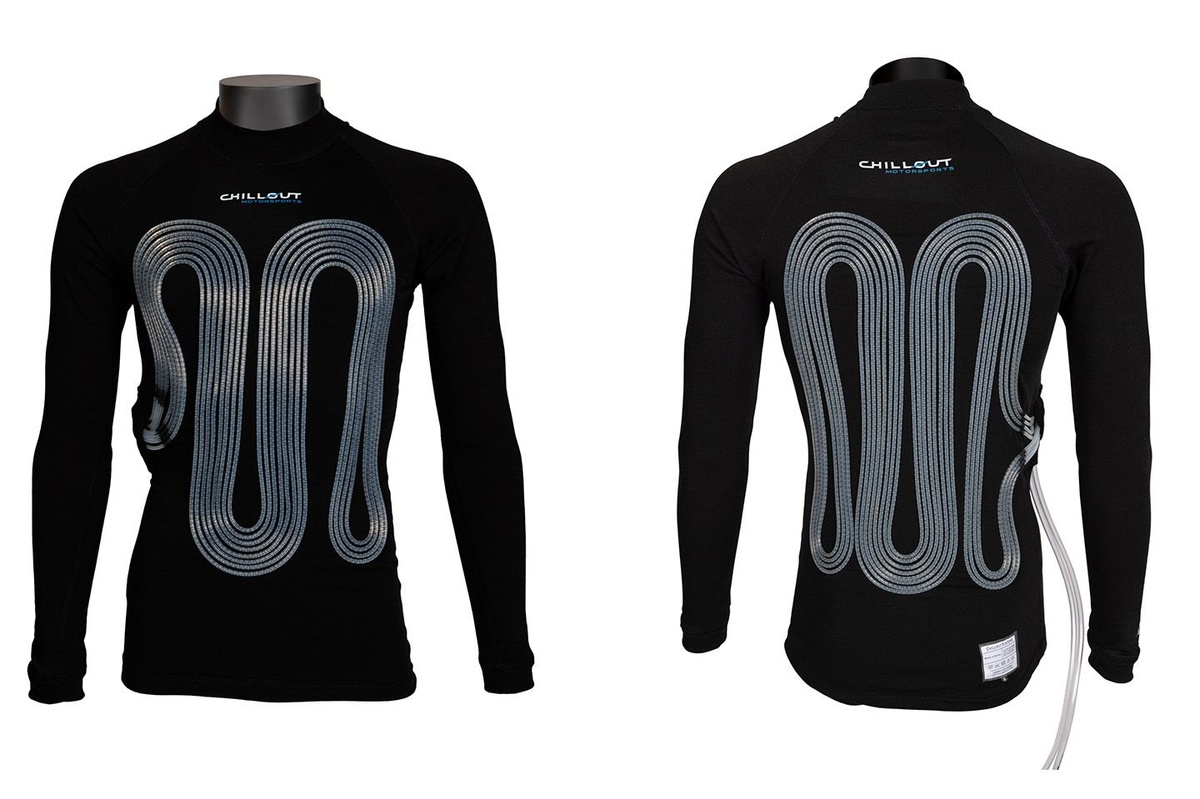
The initial idea was to introduce an air-conditioning unit to cool the car cockpits. However, this approach was abandoned due to the complexities and challenges in adapting such technology. Instead, the FIA opted for existing wearable tech, such as the Cypher Pro Micro Cooler by Chillout Motorsports. This device combines a shirt with nearly 50 meters of tubes that pump cooled fluid, which is stored in a dedicated box with a micro-processor. The primary challenge was ensuring these devices met the FIA’s stringent fire resistance standards for all driver-worn equipment in the event of a crash. The FIA and Formula 1 teams have been working diligently to finalize the system, which was approved by the F1 Commission in London.
Rules and Regulations
The FIA has defined when these cooling systems must be used, setting the threshold at 31°C ambient temperature on the FIA sensors placed around a typical F1 venue. There are four weather stations at each race, and the temperature is measured using these sensors rather than the conditions inside the car cockpits, which can quickly reach 50-60°C. For the 2025 season, the system will be retrofitted to the cars only when the 31°C mark is reached, and drivers will have the option to use it. However, if a driver chooses not to wear the cooling vest, they must carry an additional 500g of ballast within their cockpit to ensure they do not gain a competitive edge. This measure will be in place until the 2026 season, when the cooling systems will be powered by the new car designs’ electrical systems and will be mandatory.
Driver Feedback and Opinions
The introduction of the cooling system has received mixed reactions from the drivers. Lewis Hamilton, for instance, expressed his opinion during the Hungarian GP last year, stating, "It’s not needed. This is Formula 1. It’s always been like this. It’s tough in these conditions. We’re highly-paid athletes. And you’ve got to train your arse off to make sure you can withstand the heat, ultimately. It’s tough. It’s not easy, especially when you go to places like Qatar and Singapore. But I don’t think we need an AC unit in the car." Hamilton’s comments reflect the traditionalist view that physical endurance and preparation are part of the sport’s essence. However, the FIA’s decision to implement the cooling system underscores the organization’s commitment to driver safety and well-being, especially in extreme conditions.
Future Enhancements and Studies
The added time before the cooling system becomes mandatory will allow for further proof of concept studies and potential tweaks to the technology. This period will be crucial for ensuring that the systems are reliable, effective, and safe for all drivers. The FIA and Formula 1 teams are committed to ongoing research and development to enhance the cooling systems ahead of the 2026 season. By then, the systems will be integrated into the car designs, making them a permanent feature of the sport.
Conclusion
The introduction of the new wearable tech shirts for driver cooling in Formula 1 represents a significant step towards enhancing driver safety and performance in extreme heat conditions. While some drivers, like Lewis Hamilton, may see the system as unnecessary, the FIA’s decision reflects a broader commitment to ensuring that Formula 1 remains a safe and competitive sport for all participants. The 2025 season will be a transitional period, allowing for further testing and refinement, with the full implementation set for 2026. This initiative demonstrates the ongoing efforts to balance tradition with innovation in the world of motorsport.