
Mandatory Two Pit Stops at Monaco Grand Prix
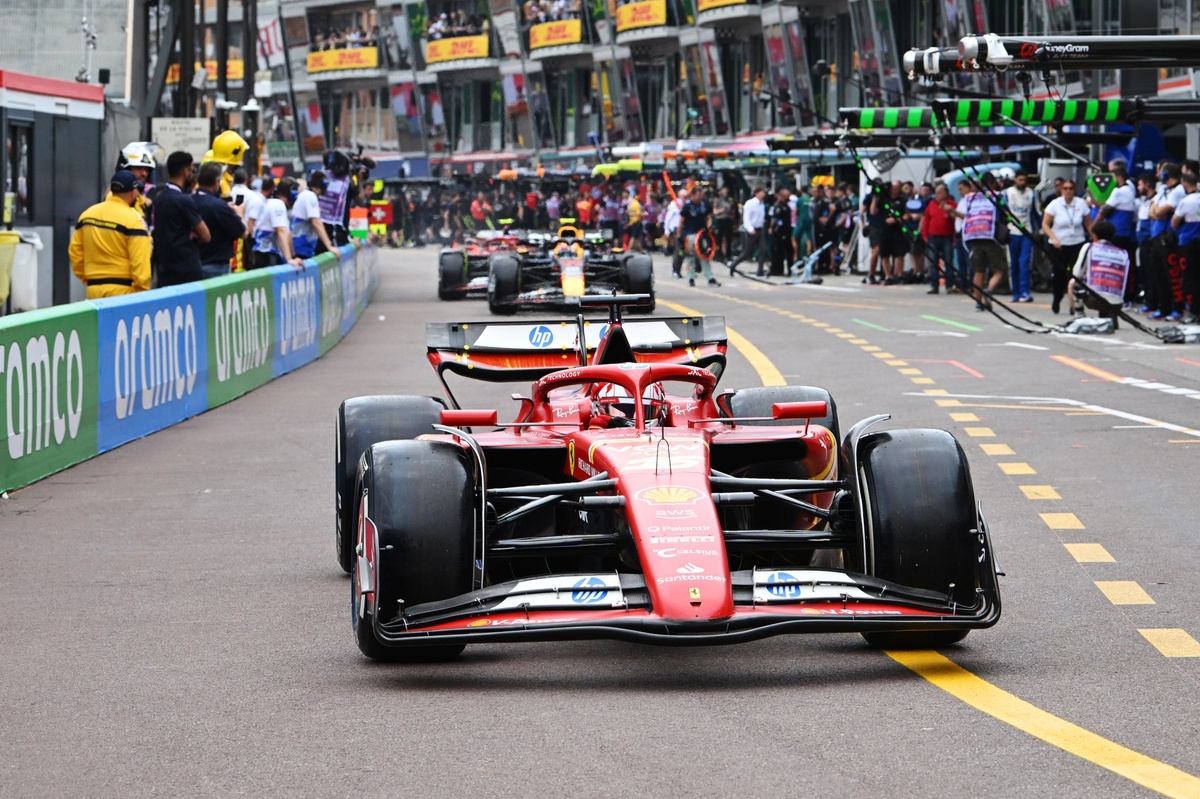
The FIA World Motor Sport Council has approved significant changes to the Formula 1 Monaco Grand Prix, most notably making two pit stops mandatory during the race. This decision comes after discussions in the F1 Commission, with the primary aim of enhancing the sporting spectacle of the Monaco Grand Prix. The narrow and challenging nature of the Monaco circuit has historically made overtaking extremely difficult, leading to races that often feel predictable and monotonous. By requiring teams to make at least two pit stops, the FIA hopes to inject more strategic elements and excitement into the race.
Addressing the Entertainment Quotient
In recent years, the Monaco Grand Prix has been criticized for lacking entertainment value. The wide, modern F1 cars and the one-stop strategies that have become commonplace have contributed to this issue. The 2022 race, in particular, highlighted the problem when an early red flag allowed drivers to switch tyre compounds, with only six drivers making additional pit stops during the race. This led to a predictable and somewhat dull race, which the FIA aims to address with the new mandatory pit stop rule. The requirement to use at least three sets of tyres, with a minimum of two different compounds in dry conditions, should add more strategic depth and variability to the race, making it more engaging for both drivers and fans.
Additional Technical Changes
The commission meeting also addressed several other technical aspects of the sport. One significant change is the imposition of additional wing flex tests to tackle the controversy surrounding flexible aerodynamic components in 2024. More stringent rear wing tests will be introduced at the start of the 2025 season, and similar measures will be applied to front wings from the Spanish Grand Prix. These changes are aimed at ensuring fair competition and maintaining the integrity of the sport by preventing teams from gaining an unfair advantage through excessive wing flex.
Enhancing Driver Comfort and Safety
Another key topic discussed was the inclusion of a driver cooling system, which will be mandatory in races declared to have a ‘heat hazard’ from the 2025 season. The driver cooling system, which will utilize wearable-tech shirts, is designed to keep drivers cool and comfortable in extreme heat conditions. While these shirts will be optional this year, they will become a mandatory part of the driver’s equipment from 2026. This change not only addresses the comfort of the drivers but also enhances their safety and performance in high-temperature environments.
The Impact of the Monaco GP Changes
The mandatory two pit stops at Monaco could have a significant impact on race strategy and outcomes. Teams will need to carefully balance tyre management, fuel consumption, and pit stop timing to gain a strategic advantage. This added complexity should lead to more varied race situations and increase the chances of overtaking, even on a circuit known for its tight and twisty nature. The requirement to use at least three sets of tyres, with a mix of compounds, will also force teams to adapt their strategies on the fly, adding an element of unpredictability that can make the race more thrilling for spectators.
Conclusion
The changes announced by the FIA World Motor Sport Council for the Monaco Grand Prix are a step towards addressing the entertainment deficit that has plagued the event in recent years. By mandating two pit stops and the use of multiple tyre compounds, the FIA aims to create a more dynamic and competitive race. Additionally, the new technical rules and driver cooling systems demonstrate a commitment to maintaining the integrity of the sport and ensuring the well-being of the drivers. As these changes take effect, fans can look forward to a more engaging and exciting Monaco Grand Prix in the future.