
F1’s Future: A Return to V10 Engines?
FIA president Mohammed Ben Sulayem has reignited the debate about Formula 1’s engine formula, suggesting that the series should at least consider switching back to V10 engines running on sustainable fuel. This idea comes as F1 is set to introduce fully synthetic fuel from next year, as part of a new engine formula that aims to strike a balance between traditional internal combustion engines and advanced electric systems. The new powertrain will feature a near-50/50 split between output from a V6 internal combustion engine and a more powerful MGU-K electric motor, increasing the reliance on electric energy compared to current powertrains.
The Shift to Hybrid and Sustainable Fuels
The move to hybrid and synthetic fuels is part of F1’s broader strategy to attract more manufacturers into the series. Audi is set to join in 2026, and Cadillac plans to develop in-house power units from 2028 for its new 11th expansion team. Honda, which initially decided to leave F1, has now reconsidered its position, although F1 is expected to lose Renault as a works manufacturer. The adoption of less polluting synthetic fuels aligns with F1’s goal of achieving a net-zero carbon footprint by 2030. This shift is significant as it represents a commitment to sustainability and innovation, even as it marks a departure from the high-decibel, high-octane engines of the past.
The Nostalgia of V10s
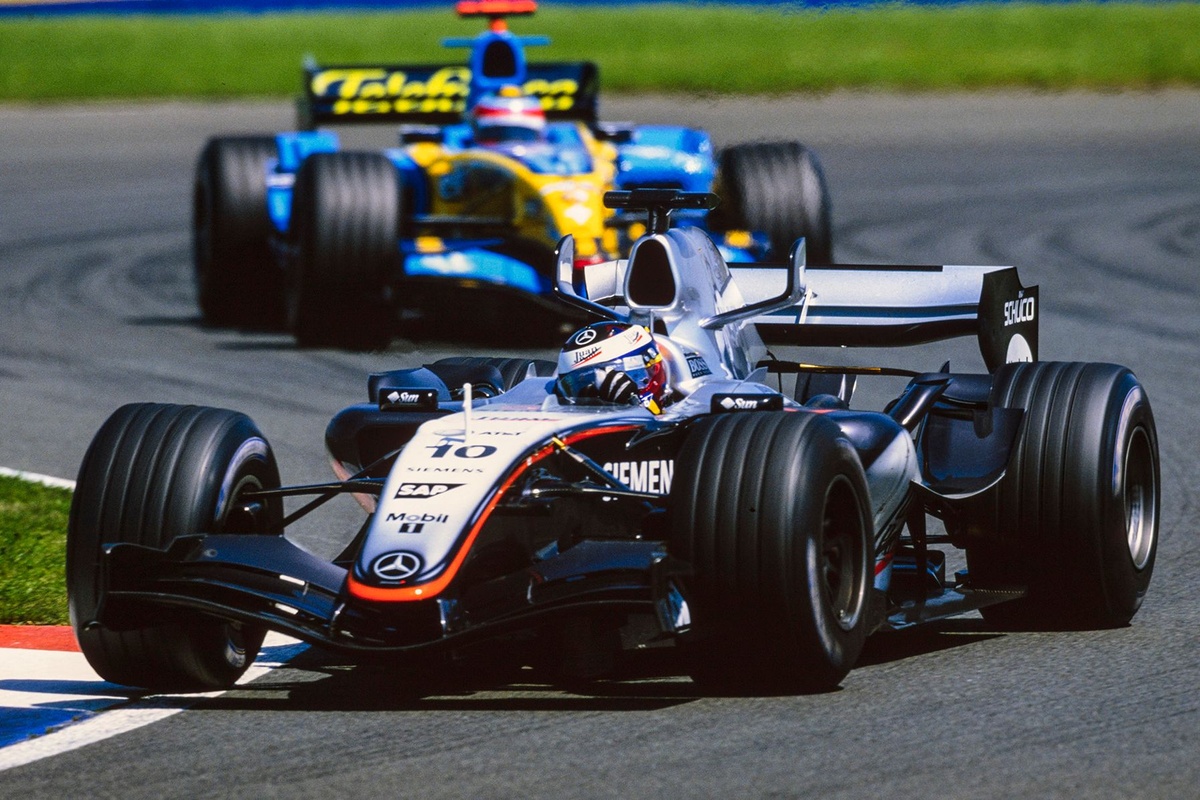
Despite the forward-looking changes, there is a nostalgic longing for the V10 engines that were last used by the entire grid in 2005. The V10s produced a unique and exhilarating sound that many fans and enthusiasts miss. Ben Sulayem’s suggestion to consider a return to V10s on sustainable fuels has sparked considerable interest. In his social media post, he emphasized the importance of exploring a range of technological trends, including the iconic sound of V10 engines. "We must support the teams and manufacturers in ensuring cost control on R&D expenditure," he added, underscoring the practical considerations that must accompany any such change.
Industry Views on Engine Formula
However, the feasibility of a return to V10s is highly dependent on the views of existing and prospective manufacturers in F1. While the idea is popular among old-school fans, the automotive industry has largely moved towards hybrid and electric models, which are more efficient and cost-effective. F1 CEO Stefano Domenicali has also expressed a willingness to explore alternatives to the current hybrid power units, but the emphasis remains on sustainability and cost-effectiveness. "If sustainable fuel is doing the right job to be zero emission and we are taking the point of sustainability in the right way – maybe we don’t need anymore to be so complicated or so expensive in terms of engine development,” he told Autosport last August. This sentiment suggests a pragmatic approach to future engine regulations.
The Role of Sustainable Fuels
The push for sustainable fuels is a critical aspect of F1’s future. While they offer a cleaner alternative to traditional fuels, they are currently more expensive and less efficient compared to hybrid and electric models. Paddy Lowe, the founder of Zero Petroleum, a carbon-neutral synthetic fuel company, highlighted the challenges of moving away from hybrid systems. "Formula 1 is a hybrid formula today, that is actually a very good solution for mainstream automotive, I think," he said on the James Allen on F1 podcast. This perspective reflects the industry’s current stance, where the hybrid formula is seen as a practical and viable solution for both performance and sustainability.
Conclusion: Balancing Tradition and Innovation
In conclusion, the suggestion to return to V10 engines running on sustainable fuels is a nostalgic and bold idea that has captured the imagination of many F1 fans. However, the practical challenges and the broader industry trends towards hybrid and electric systems make such a move highly unlikely in the near future. F1 must strike a balance between honoring its rich history and embracing technological advancements that align with its sustainability goals. As the series continues to evolve, the focus will remain on innovations that enhance performance while reducing environmental impact, ensuring that F1 remains a pinnacle of automotive engineering and a leader in sustainable sports.