
The Changing Landscape of Club Racing
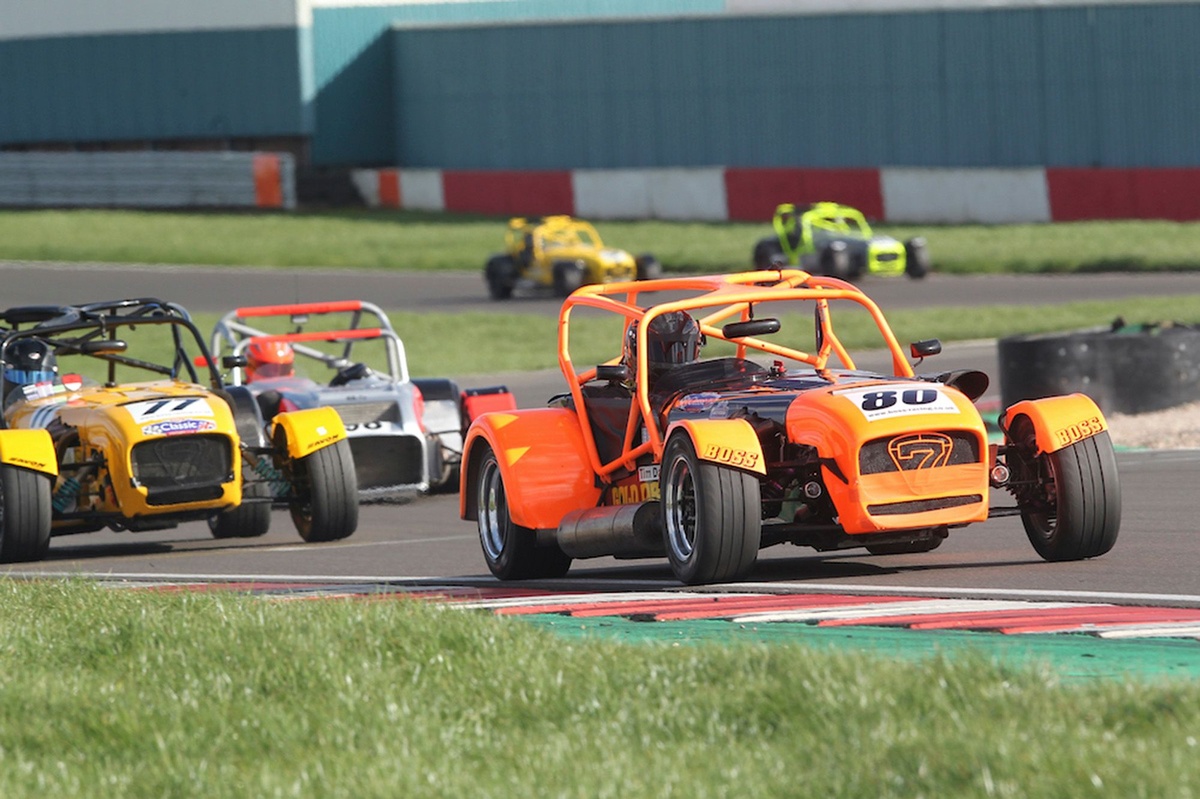
Glance around the paddock at any club race meeting today, and the scene is vastly different from what it was in the past. Even at the most grassroots events, you’ll see a plethora of large transporters and elaborate awnings from teams and preparers running multiple cars. Gone are the days when the vast majority of club competitors showed up at the track with a race machine on a trailer and a few friends or family members to act as mechanics. Now, a whole industry has emerged to assist time-deprived amateur drivers.
The Rise of Arrive-and-Drive
The rise of arrive-and-drive options has become a prominent topic in recent discussions about the future of national motorsport. This trend is driven by a sociological shift where people feel they don’t have as much time on their hands. Hugh Chambers, CEO of Motorsport UK, explains, “People would probably prefer to pay a bit more for someone else to prep their car than spending every evening during the week preparing the car for the weekend and then loading it up on the trailer and having to trailer it there themselves.” Chambers, who has experienced arrive-and-drive himself, acknowledges its advantages, noting the time and effort saved in logistics and infrastructure. This efficiency allows drivers to focus more on the racing and less on the behind-the-scenes work.
Benefits Beyond Time Saving
Working with an established team or preparer offers numerous benefits, especially for newcomers to the sport. Chambers points out, “You’ve got advice, you’ve got somebody there to help you navigate through the logistics, and if you’re new to the sport, about scrutineering and so on.” For a complete novice, the complexities of the paddock can be overwhelming, and having a team to guide you can make a significant difference. This support can ease the transition into racing, making it more accessible and enjoyable for beginners.
The Future of Self-Prepared Cars
However, the rise of arrive-and-drive also raises concerns about the future of self-prepared cars. As modern cars become more complex, they require specialized knowledge and tools that the average person may not possess. Hugo Holder, director of the Classic Sports Car Club, notes, “We were brought up in a way to buy an old banger and we would do all the work on it ourselves to keep it running. It’s going to get a lot more expensive now. If you’re looking at a BMW you’ve got to be handy with a laptop as well as being a mechanic.” This shift could price out drivers who don’t have the time or expertise to maintain their vehicles, potentially leading to a more homogenized racing field dominated by professional teams.
The Focus Cup Example
Some racing categories have taken the arrive-and-drive concept to new heights. For instance, MotorSport Vision Racing’s Focus Cup involves centrally run turbo-diesel Fords (and the new petrol models) that are transported to each event by the organizers. The cars are randomly allocated, and all the drivers have to do is turn up. This model not only simplifies the process for participants but also ensures a level playing field, as the cars are maintained to the same high standards. It’s a prime example of how arrive-and-drive can make racing more accessible and enjoyable for all.
Balancing the Future
While arrive-and-drive is undoubtedly beneficial for many, it’s crucial to maintain a balance and not overlook the humble racer who still does the work themselves. With some teams boasting vast expertise and extensive data on the best setups, it could become increasingly challenging for privateers to compete. The key, says Chambers, is to ensure that paddocks remain full and that as many people as possible are encouraged to participate, regardless of whether they run their own car or not. The future of club racing should be about inclusivity and providing multiple pathways for enthusiasts to enjoy the sport, whether through professional support or self-preparation.
Conclusion
The shift towards arrive-and-drive in club racing reflects broader societal changes and technological advancements. While it brings numerous benefits, it also presents challenges that must be carefully managed. By fostering a balanced and inclusive environment, the sport can continue to thrive and attract a diverse range of participants, ensuring that the spirit of club racing remains vibrant and dynamic for years to come.